How to Store Dry Tea Leaves and Brewed Tea Base to Prevent Mold During the Rainy Season
1. Humidity Risks and Flavor Degradation During Rainy Seasons
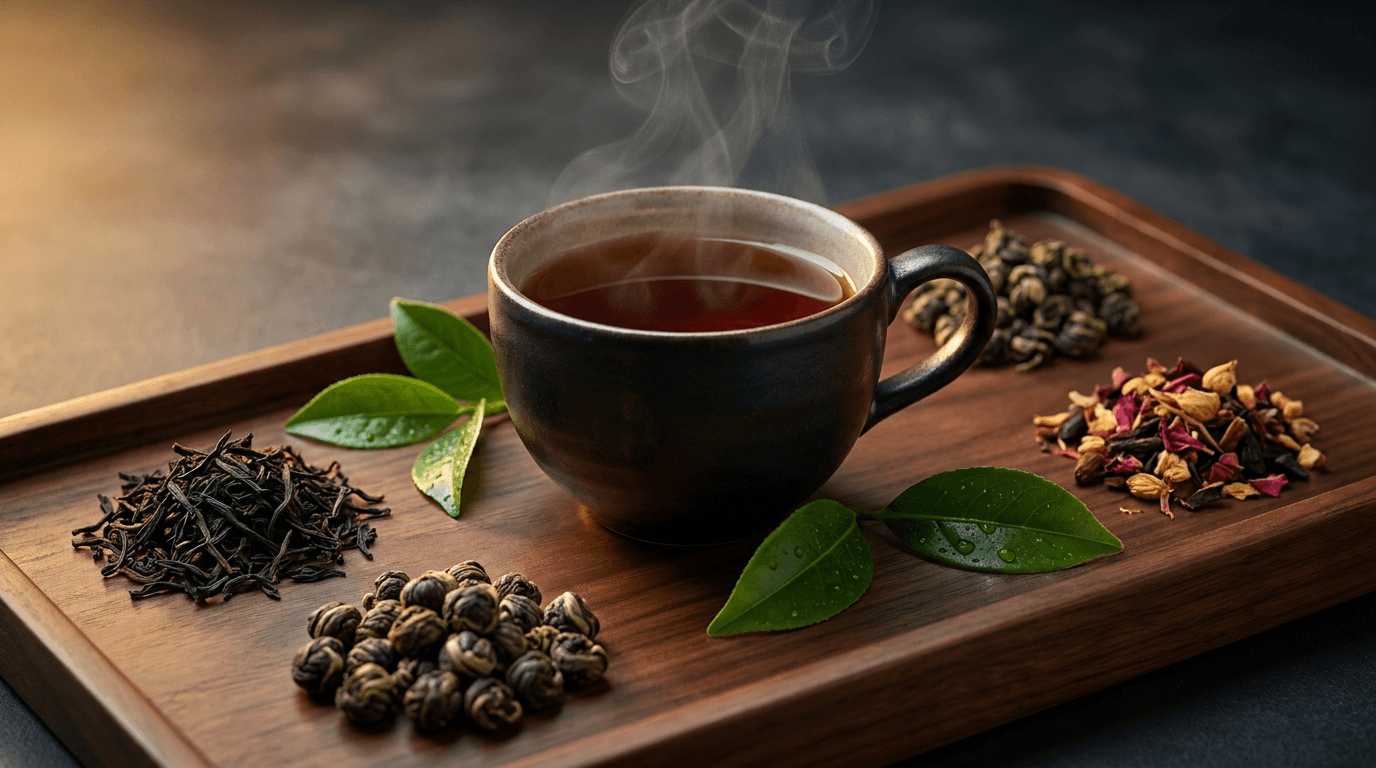
During the rainy season, relative humidity often exceeds 80-90%. For beverage shops, milk tea bars, and fruit tea outlets, high moisture is the primary enemy of raw dry ingredients. Tea leaves are naturally hygroscopic; even short exposure to ambient moist air rapidly accelerates the oxidation of polyphenols and volatile aromatic oils. As a consequence, tea leaves lose their signature aroma, develop stale or moldy notes, and yield a flat, bitter, or sour base after extraction.
2. Standard Storage Techniques for Dry Tea Leaves at the Bar
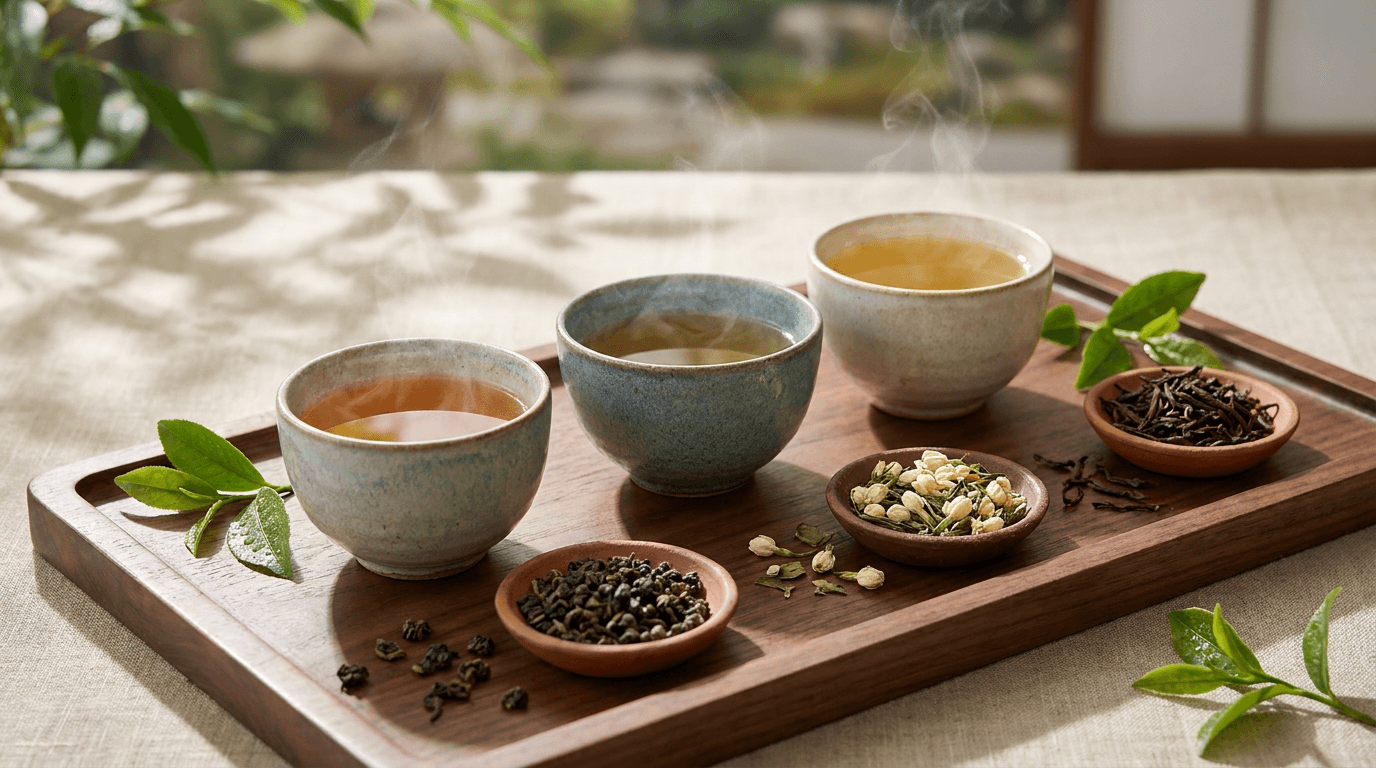
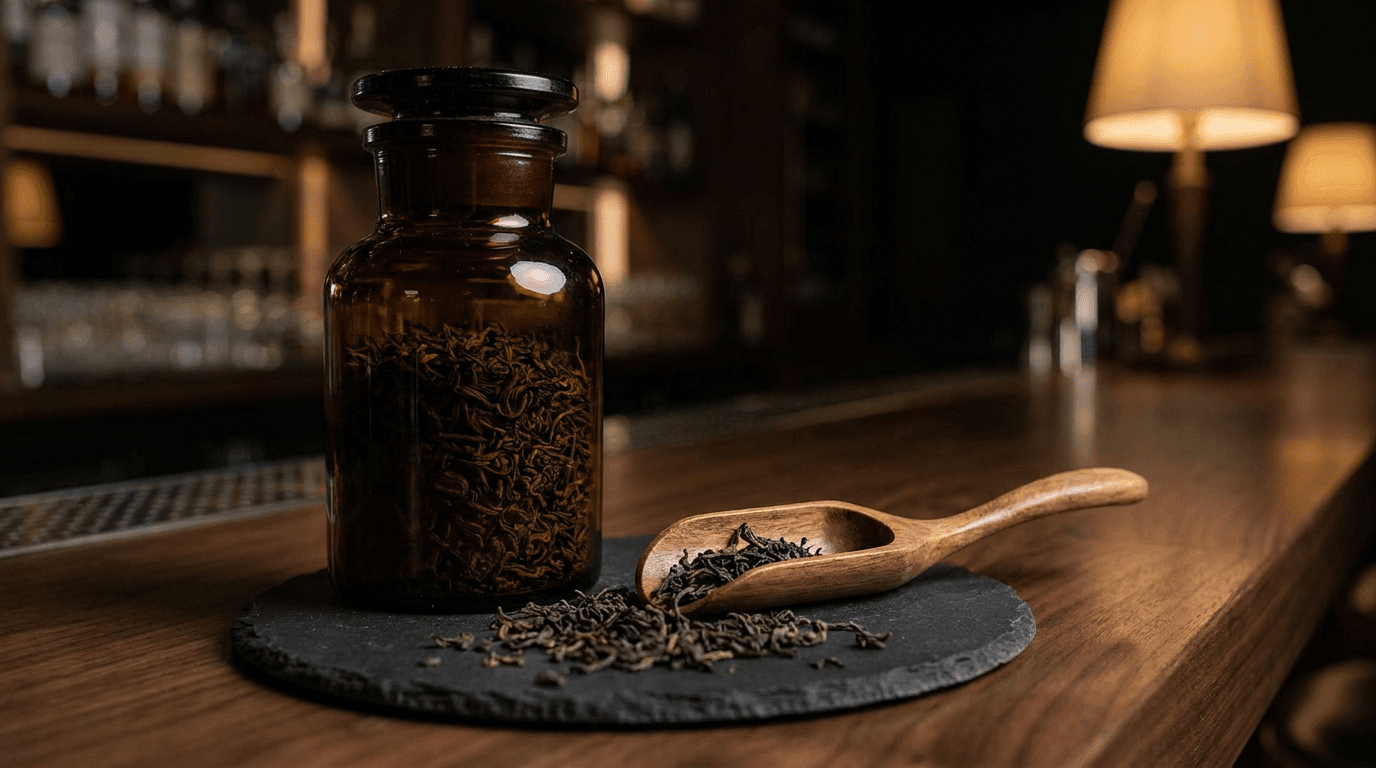
To eliminate moisture absorption, shop owners and baristas must implement a standardized dry storage protocol: Specialized Airtight Storage: Use food-grade tin canisters, glazed ceramics, or plastic containers with tight rubber silicone gaskets. Avoid keeping tea in loosely tied plastic bags or unsealed packaging. Food-grade Desiccants: Place food-grade silica gel packets inside the bottom of the containers or secure them under the lid to absorb ambient moisture. Shift-based Batching: Dispense bulk tea (1kg-5kg packs) into smaller, dry daily canisters holding 1-2 days worth of inventory, minimizing the frequency of opening the master package. Storage Clearance: Keep master stocks elevated at least 20cm above the floor and 15cm away from walls, well clear of wash basins, heat sources, and high-steam zones.
3. Technical Extraction Parameters and Brewed Base Preservation
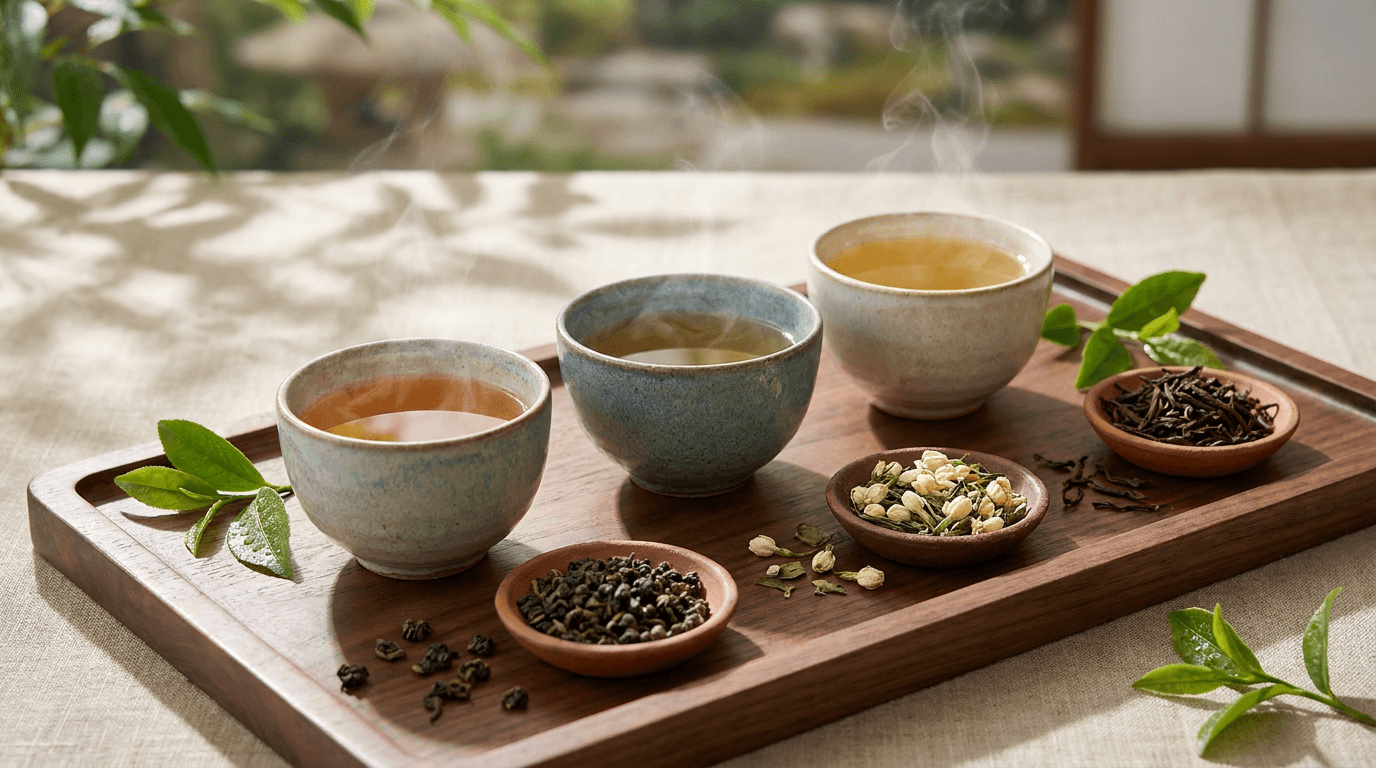
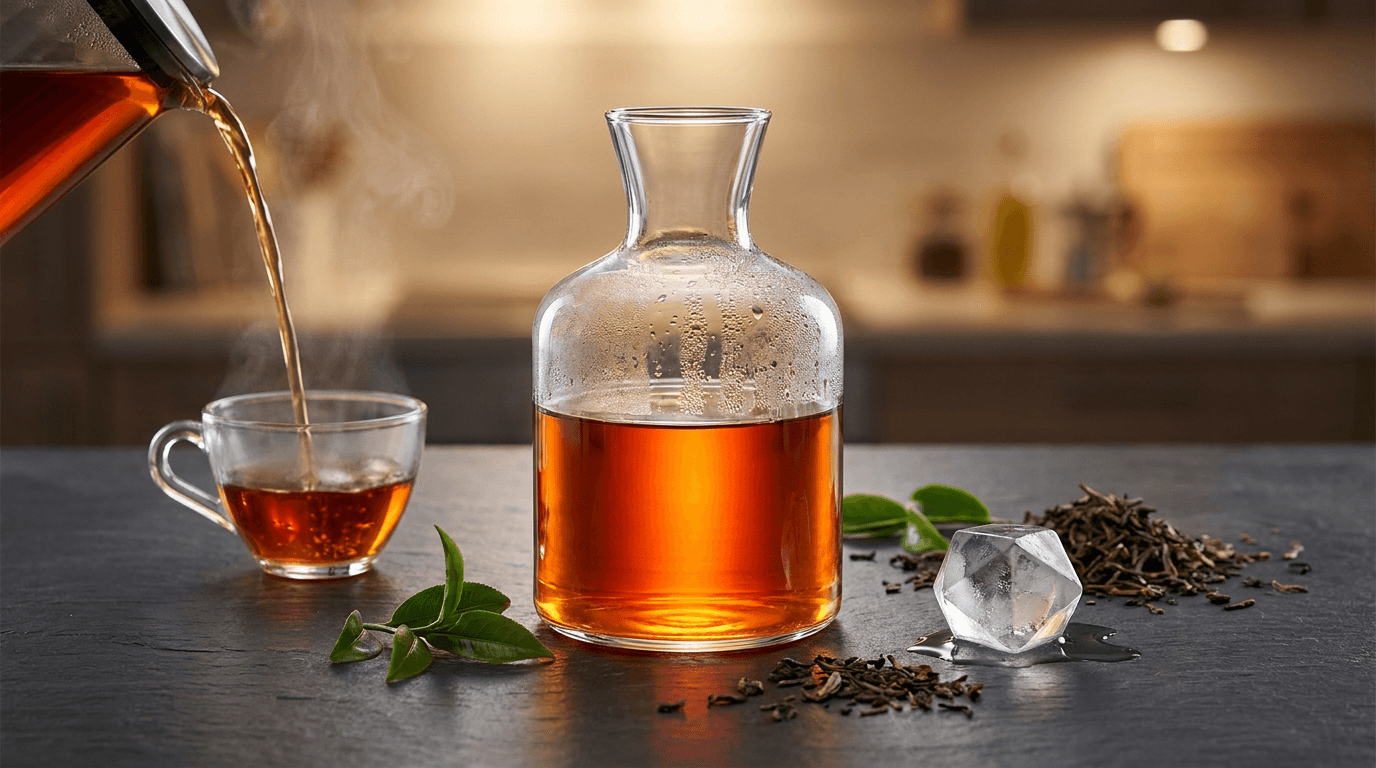
Freshly brewed tea base is highly susceptible to microbial spoilage and souring in humid climates. To keep the tea base vibrant, rich, and clear without artificial preservatives, baristas should adhere strictly to the following extraction and refrigeration standards: Tea Variety Brew Ratio (Tea : Water) Water Temp (°C) Brew Time (Mins) Storage Temp Recommended Shelf Life Jasmine Green Tea 1 : 30 80°C - 85°C 7 - 8 mins 2°C - 5°C 4 - 6 hours Roasted Oolong Tea 1 : 25 90°C - 95°C 10 - 12 mins 2°C - 5°C 8 - 10 hours Black Tea 1 : 25 95°C - 100°C 12 - 15 mins 2°C - 5°C 8 - 12 hours Tie Guan Yin 1 : 30 90°C - 92°C 9 - 10 mins 2°C - 5°C 6 - 8 hours After straining the tea leaves, perform a rapid chill by placing the container in an external ice bath to bring the temperature below 20°C before transferring to refrigeration at 2°C - 5°C. Never place hot tea base directly into the refrigerator; condensation will form under the lid, drop back into the liquid, and cause rapid souring.
4. FIFO Inventory Control and Bar Sanitation Routine
Enforce strict First-In, First-Out (FIFO) standards to rotate stock safely under severe humidity: Precision Labeling: Clearly label every container with the exact date, brewing time, and expiration timestamp. Sterilization and Total Drying: Insulated dispensers, strainers, and pitchers must be sanitized thoroughly, rinsed with 100°C hot water, and completely air-dried before contact with tea. Residual water droplets are breeding grounds for mold and bacteria. Organoleptic Quality Audits: At the start of every shift, supervisors must check clarity, color, and aroma across all refrigerated tea bases, immediately discarding any batch displaying haziness, viscosity, or off-notes.
Related Posts
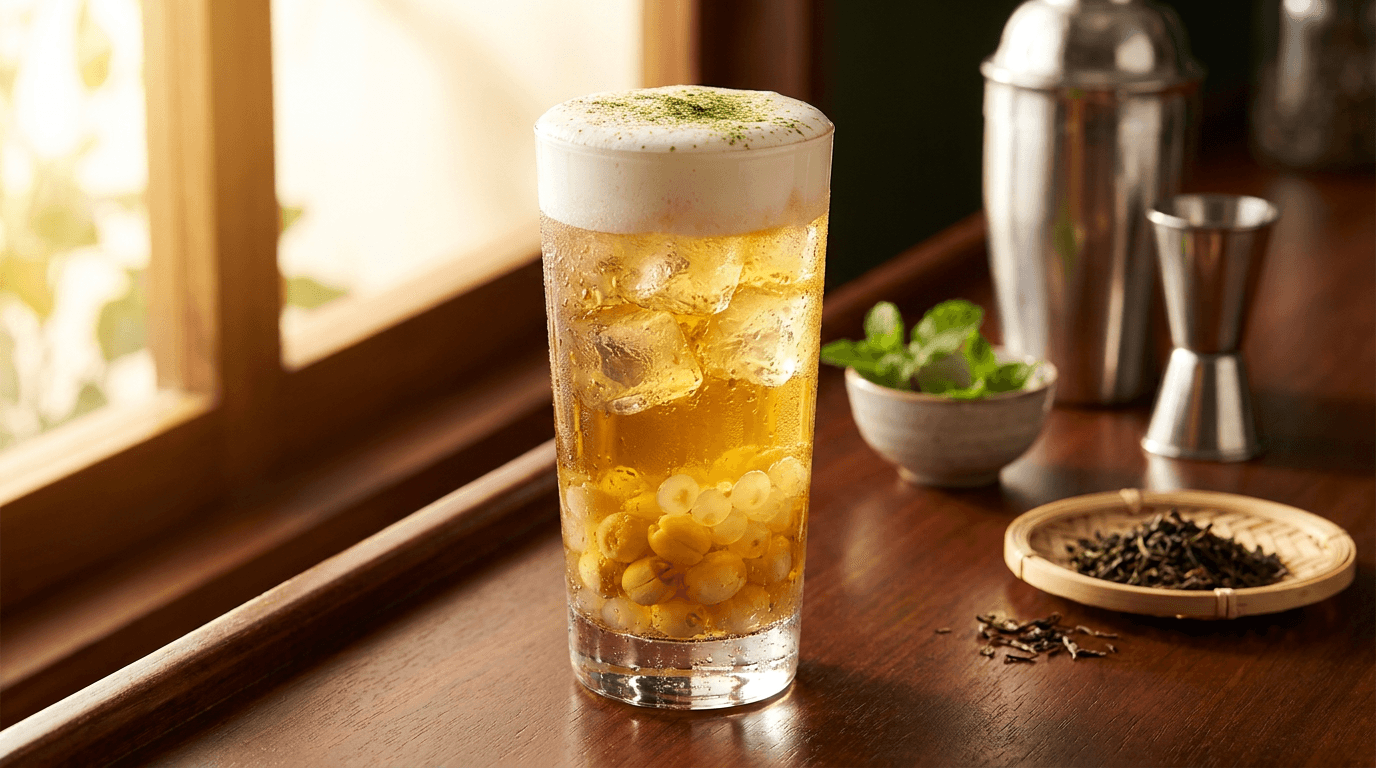
Healthy Low-Sugar Milk Tea Trend: Optimizing Pure Tea Base for F&B
Capture the healthy low-sugar milk tea trend with WECHA's full-bodied pure tea bases, cutting tea cost to $0.08/cup while preserving rich natural aftertaste.
Read More →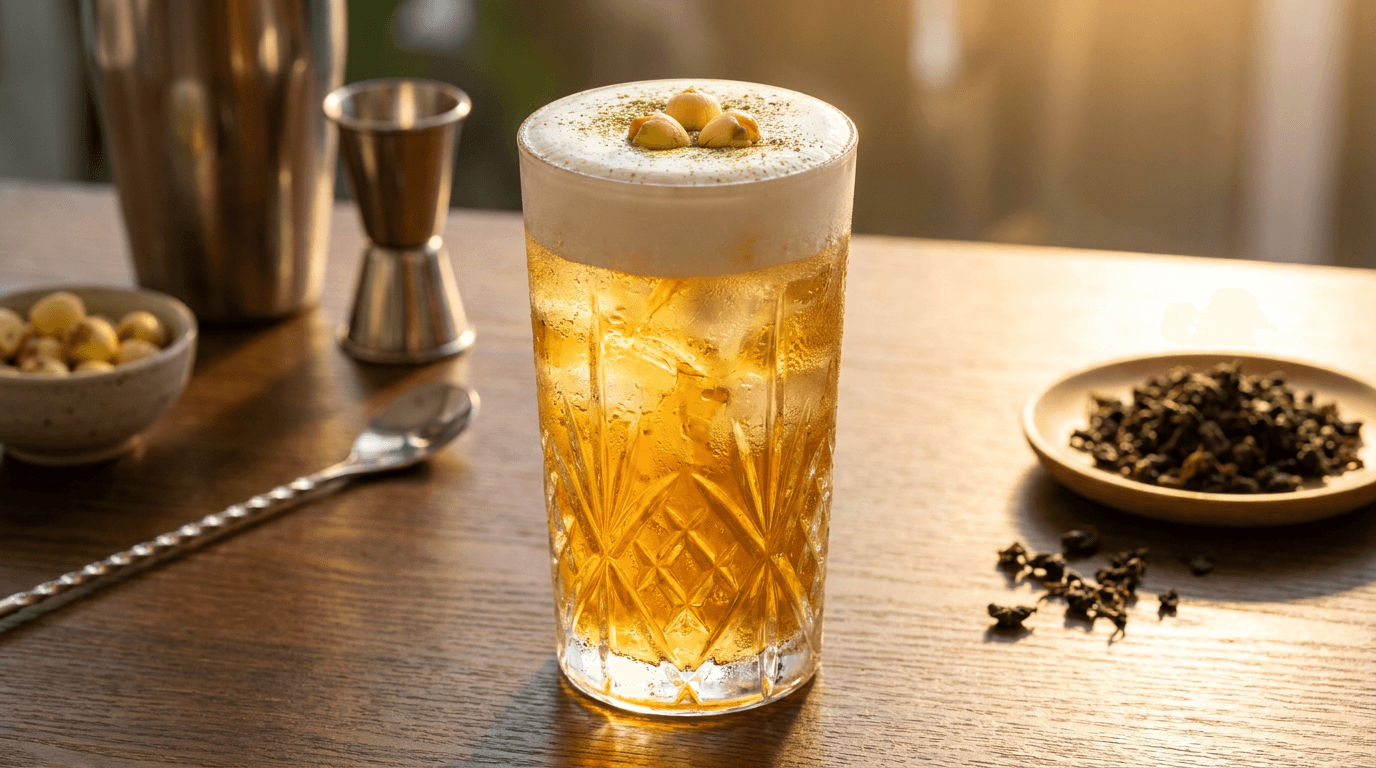
Commercial Cold Brew Tea Guide: Recipes & 48H Anti-Clouding Protocol
Master commercial cold brew tea extraction with WECHA protocols: 3-size recipes, 48-hour anti-clouding techniques, and 85% gross margin optimization.