Drinking Tea in Cold Weather: 5 Essential Tips to Stay Warm and Protect Digestion
1. The Impact of Cold Weather on Digestion and Tea Consumption
During cold weather, blood circulation slows down and the gastrointestinal tract becomes significantly more sensitive. A warm cup of tea can stimulate bowel motility and maintain optimal internal body heat. However, inappropriate brewing habits during winter can trigger stomach discomfort, mucosal irritation, or internal cold accumulation.
2. 5 Essential Tips to Keep Warm and Protect Digestive Health
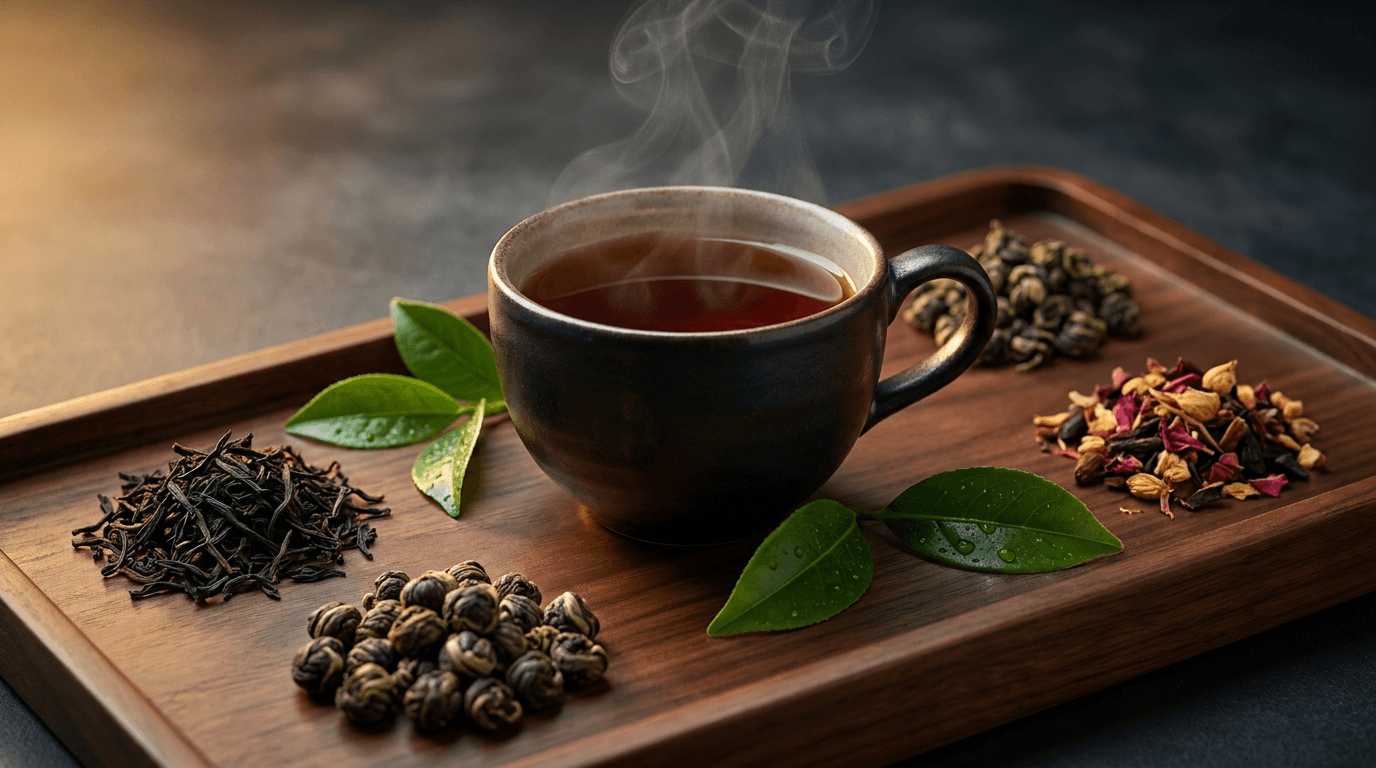
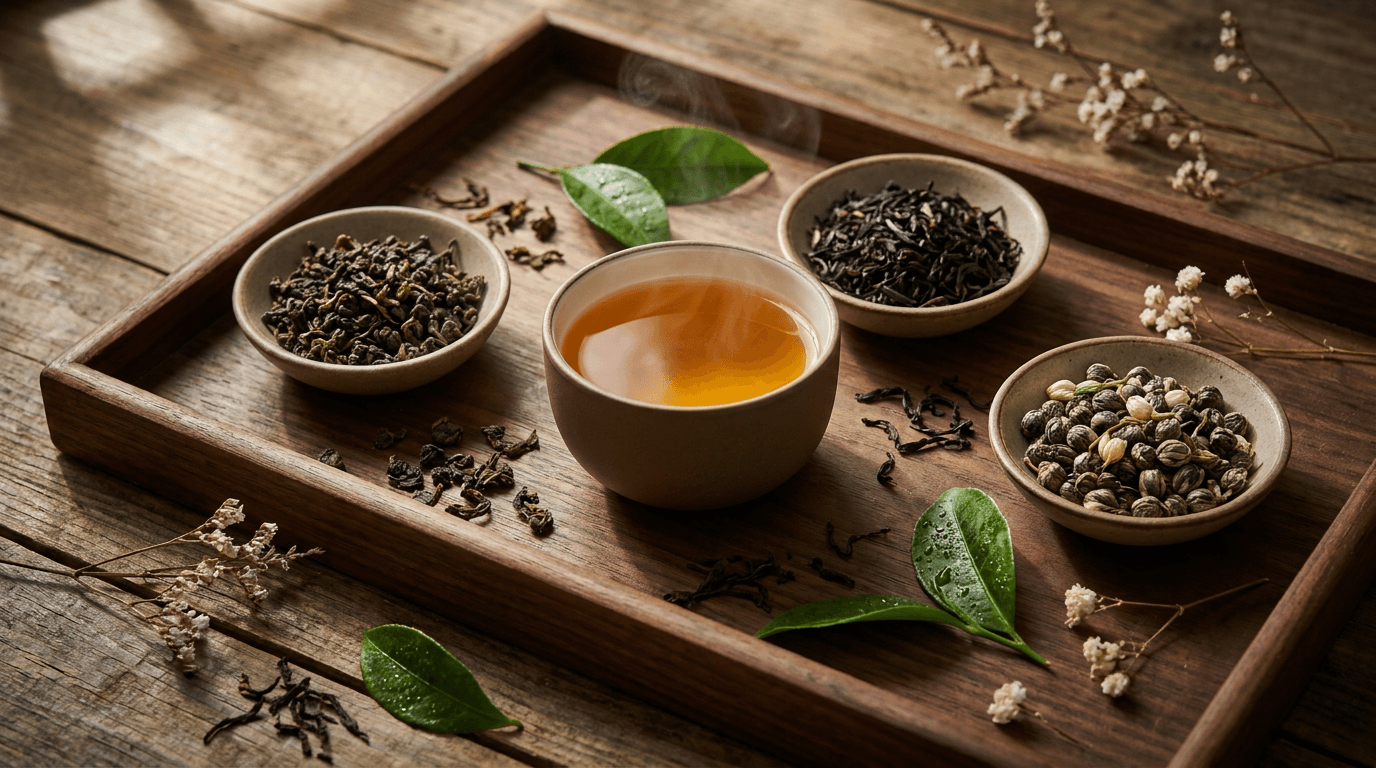
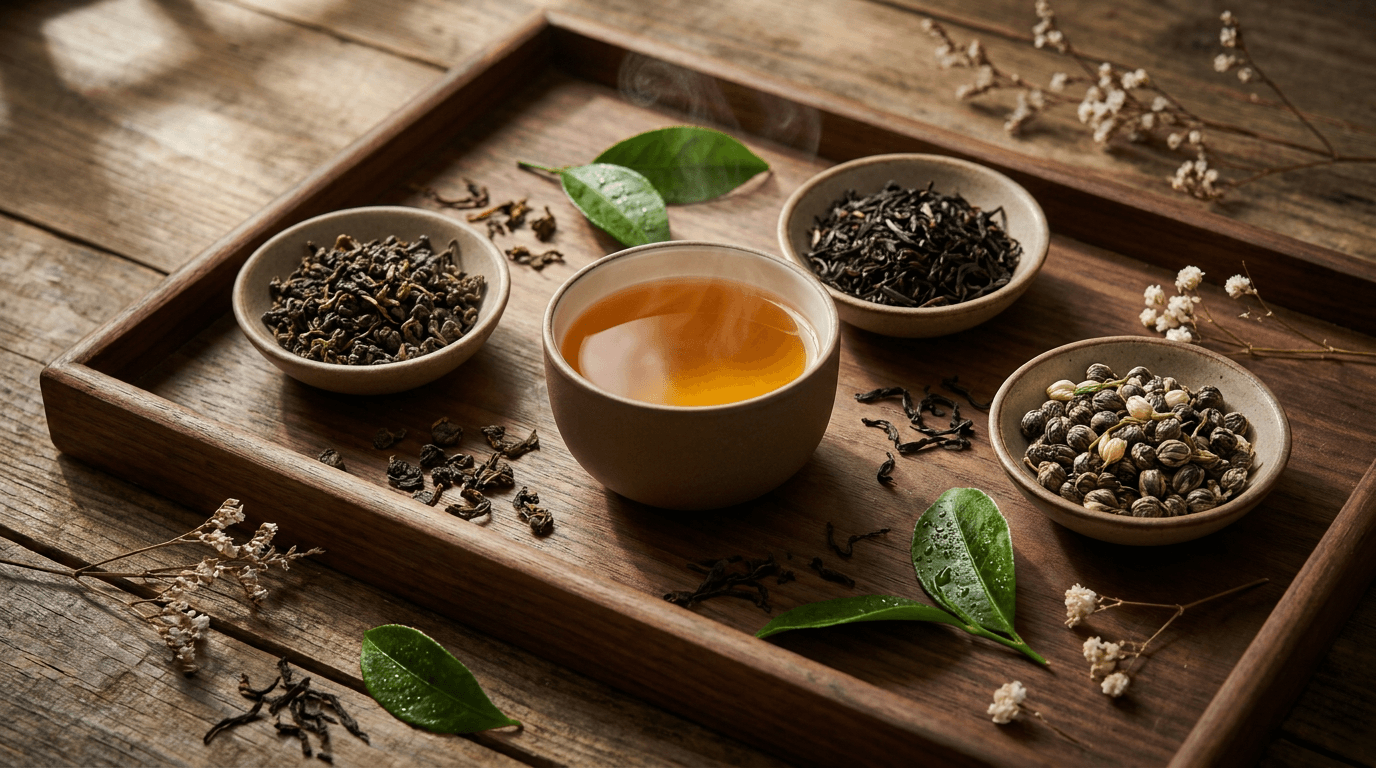
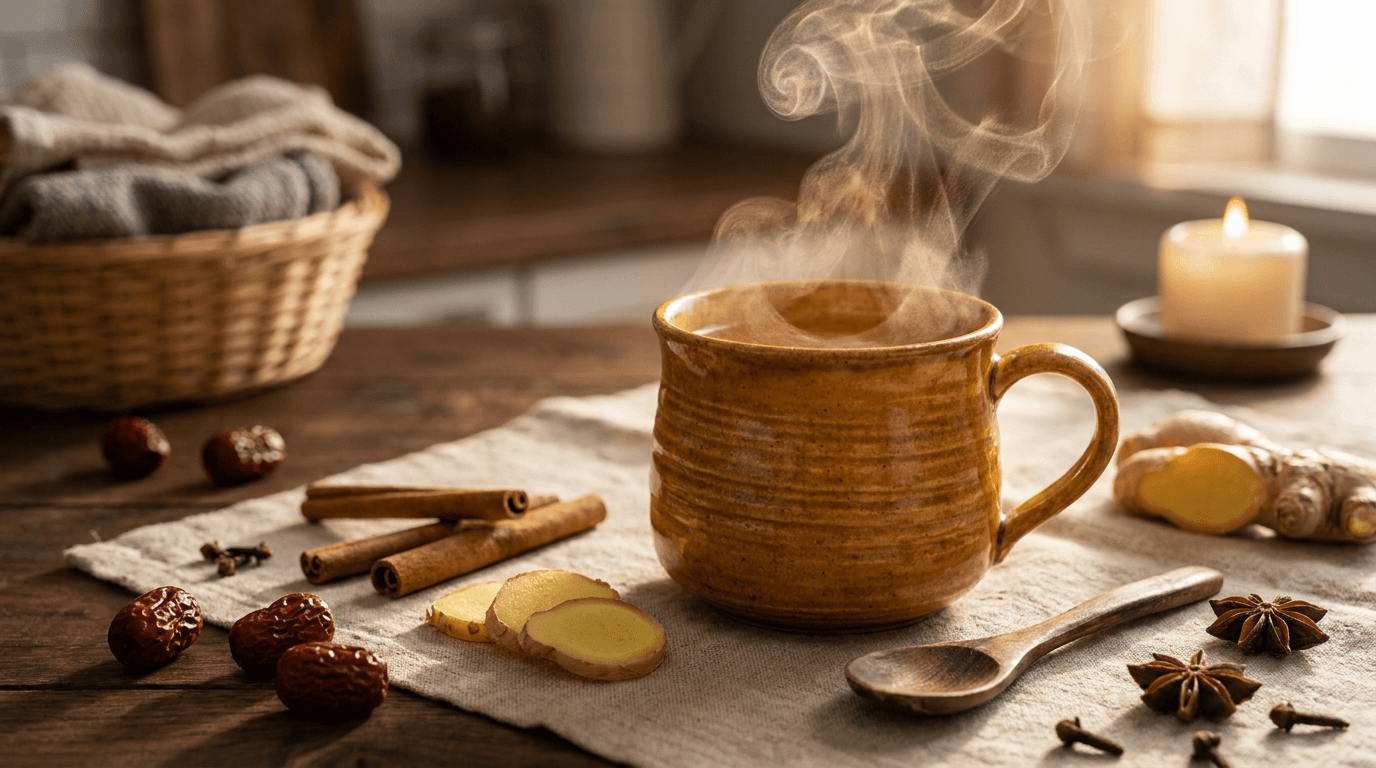
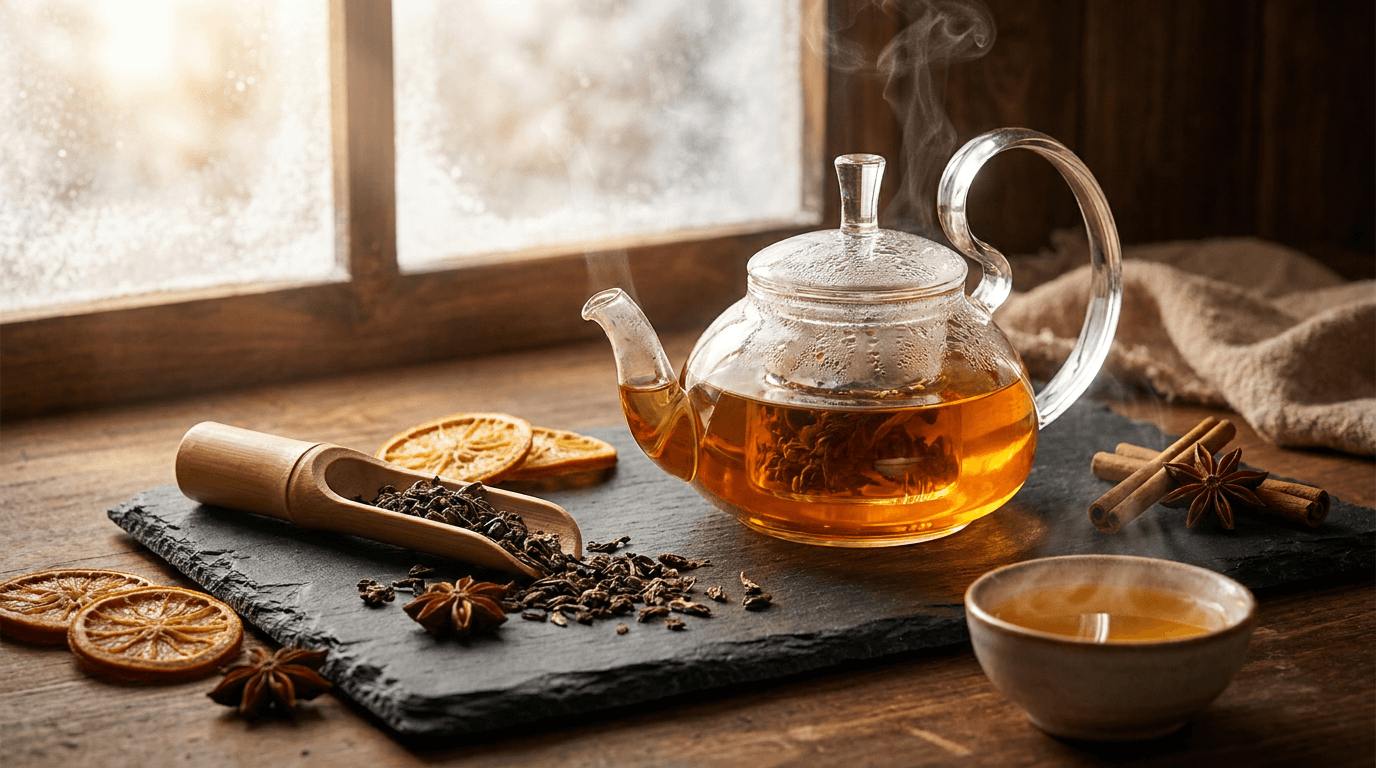
To maximize the seasonal benefits of tea, apply these five fundamental guidelines: Opt for fully fermented or roasted teas: Minimize raw, unfermented green teas that carry cooling properties. Transition to black tea, ripe Pu-erh, or heavy-roasted Oolong to nourish the body's internal warmth. Maintain optimal drinking temperature: Sip your tea when its temperature settles between 50°C and 60°C. Liquids above 65°C can burn esophageal tissues, while cold tea stalls digestive fire. Never consume tea on an empty stomach: Tannins and caffeine stimulate excessive gastric acid production, leading to nausea, tremors, or gastric irritation. Incorporate warming botanicals: Enhance your brew with fresh ginger slices or cinnamon bark. These natural aromatics stimulate digestive enzymes and dispel internal chills effectively. Control steeping density: Avoid over-extracting the leaves. Excessively astringent brews induce smooth muscle spasms and hinder essential nutrient absorption.
3. Expert Brewing Specifications for Winter Teas
Precise thermal control and accurate brewing ratios directly dictate antioxidant extraction and digestive comfort: Tea Variety Water Temperature (°C) Steeping Ratio (Tea : Water) Infusion Time Black Tea 95°C - 100°C 1g : 50ml 3 - 5 minutes Ripe Pu-erh 100°C 1g : 25ml 20 - 30 seconds (Gongfu style) Roasted Oolong 90°C - 95°C 1g : 30ml 45 - 60 seconds Ginger Herbal Infusion 95°C - 100°C 1g : 40ml 5 - 7 minutes
4. Common Mistakes to Avoid When Drinking Tea in Winter
A prevalent mistake is keeping tea leaves inside an insulated thermos throughout the day. Prolonged thermal containment breaks down delicate polyphenols, turning the liquor bitter and disruptive to digestion. Furthermore, consuming strong tea close to bedtime induces nocturia, disrupting restorative sleep cycles and leaving the body susceptible to cold drafts.
Related Posts
Healthy Low-Sugar Milk Tea Trend: Optimizing Pure Tea Base for F&B
Capture the healthy low-sugar milk tea trend with WECHA's full-bodied pure tea bases, cutting tea cost to $0.08/cup while preserving rich natural aftertaste.
Read More →
Commercial Cold Brew Tea Guide: Recipes & 48H Anti-Clouding Protocol
Master commercial cold brew tea extraction with WECHA protocols: 3-size recipes, 48-hour anti-clouding techniques, and 85% gross margin optimization.