The Art of Barista-Standard Tea Brewing: Secrets to Preserving Aroma and Minimizing Bitterness
1. Extraction Principles: The Balance Between Bitterness and Aroma
In professional beverage crafting, the tea base serves as the core foundation defining overall sensory balance. Astringency and bitterness in tea predominantly stem from polyphenols (specifically catechins) and caffeine, whereas smooth mouthfeel and lingering sweetness derive from theanine (amino acids). Brewing at excessively high temperatures or over-steeping causes a massive release of catechins that overpowers delicate volatile organic compounds, resulting in an unpleasantly harsh astringency, cloudiness, and lost aroma. Precise extraction kinetics unlock pure aromatic oils and rich umami sweetness while restraining unwanted tannins.
2. The Core Triad: Ratio, Water Temperature, and Steeping Time
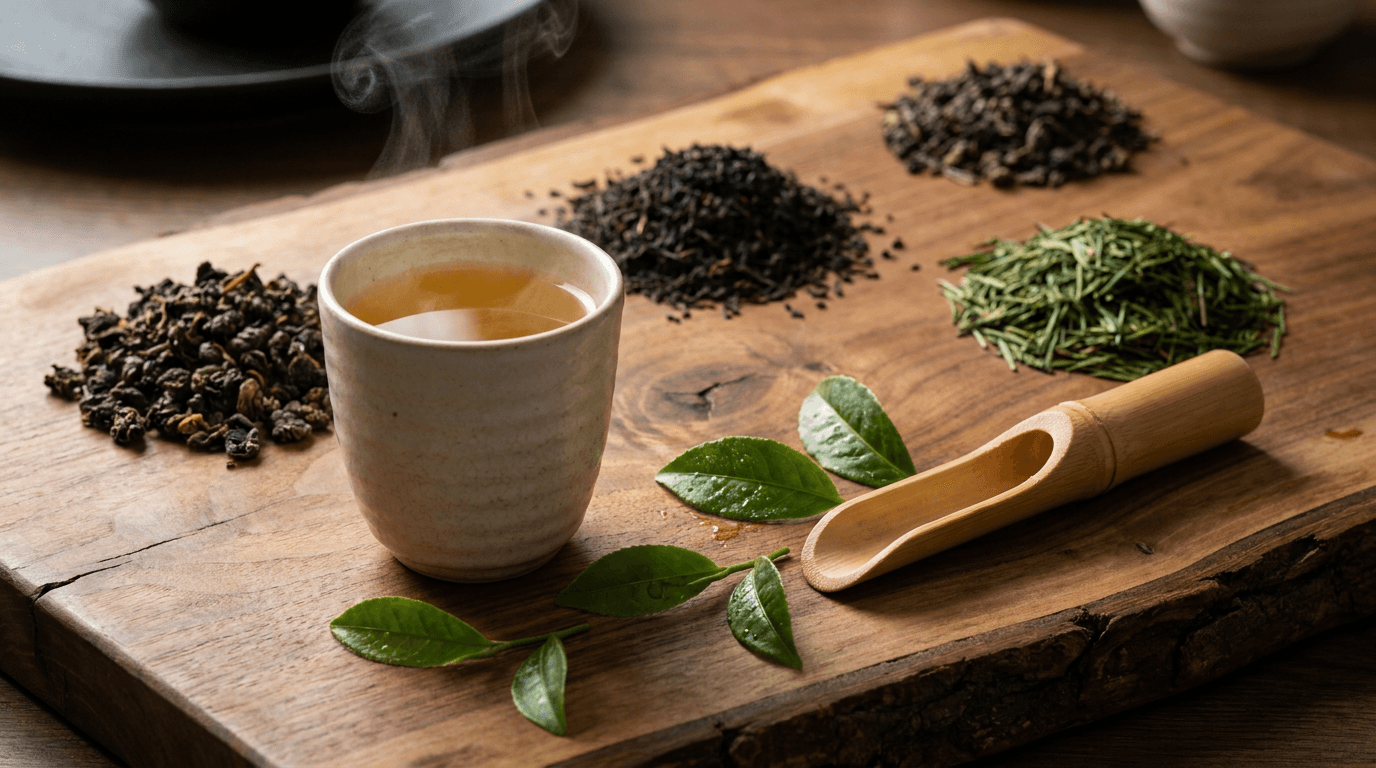
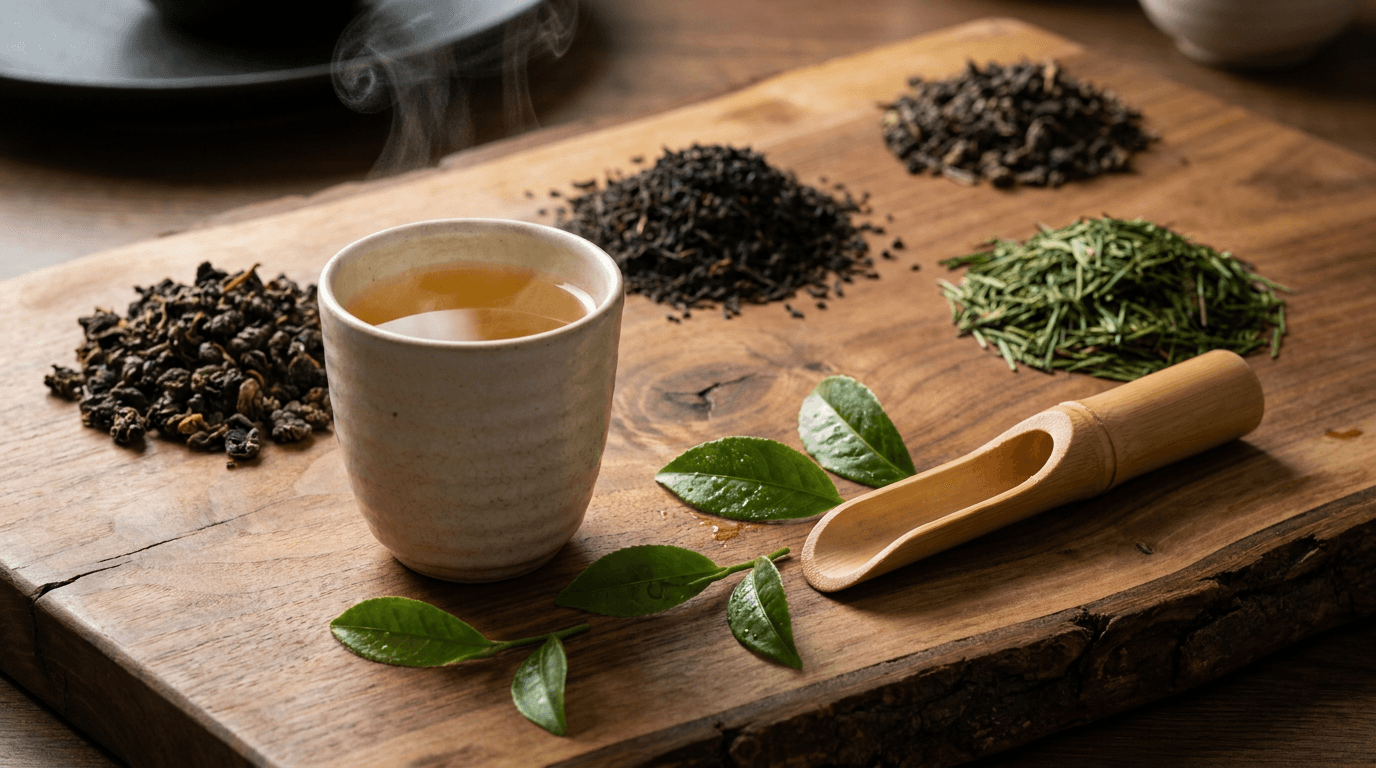
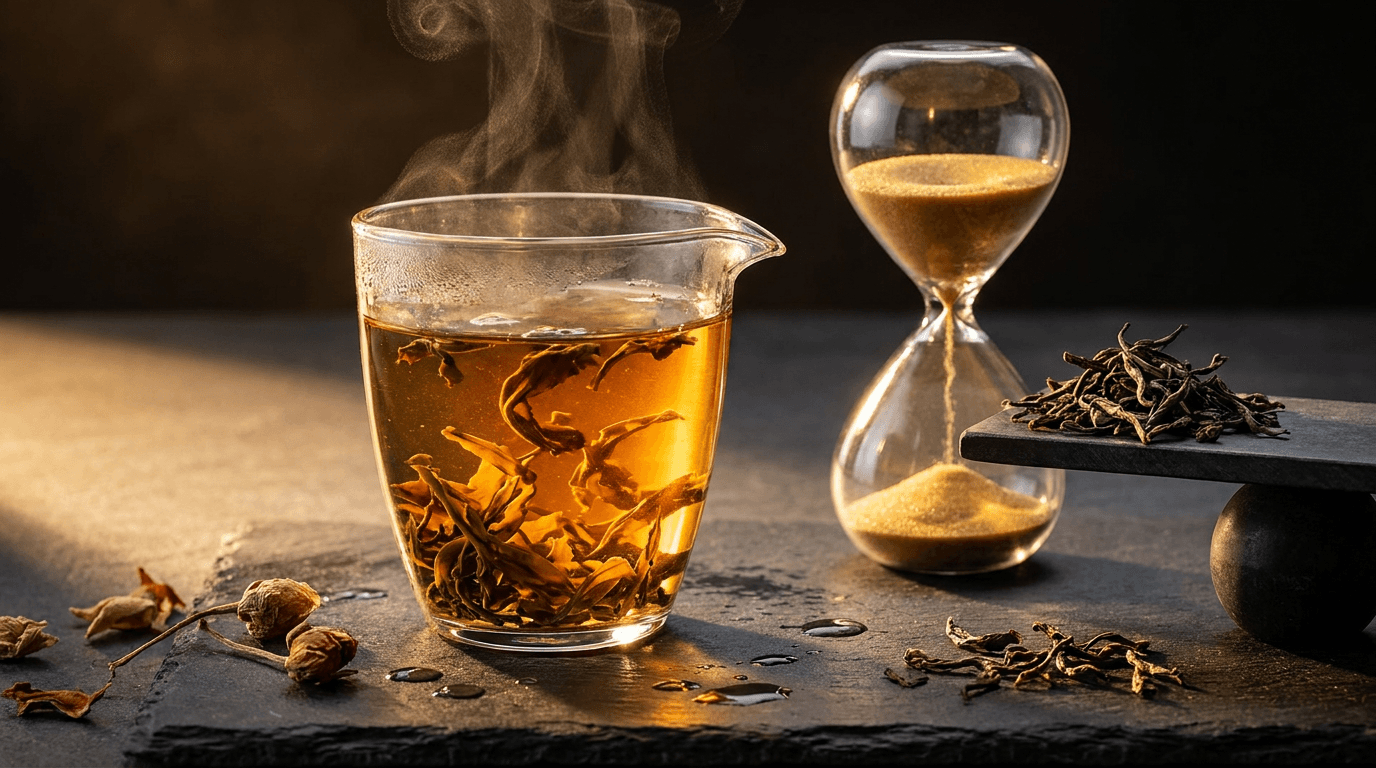
To master barista-grade tea bases, three critical variables must be rigorously controlled: Tea-to-Water Ratio: Dictates the total dissolved solids (TDS). Milk tea bases demand higher concentration ratios (1:30 to 1:35) to cut through dairy fats, whereas fruit teas and refreshing iced beverages perform best at lighter ratios (1:40 to 1:50). Water Temperature (°C): Low-fermented varieties (green tea, jasmine) require lower water temperatures (75°C - 85°C) to safeguard delicate florals and suppress tannin extraction. Fully oxidized (black tea) or heavily roasted teas demand higher temperatures (90°C - 98°C) to open dense leaf structures and express deep malty or woody notes. Steeping Duration: The contact time between leaf and water must be timed precisely to the second. Steeping beyond target thresholds pushes dissolved tannins past sensory thresholds.
3. Standard Extraction Specifications for Commercial Tea Bases
Professional parameter reference table optimized for commercial bar operations: Tea Base Variety Ratio (Tea : Water) Water Temp (°C) Steep Time (Mins) Brewing Technique Jasmine / Green Tea 1 : 40 78°C - 82°C 7 - 8 mins Uncovered steep, avoid vigorous stirring Golden Oolong Tea 1 : 35 88°C - 92°C 10 - 12 mins Covered steep, 3-second hot rinse to awaken leaf Assam / Black Tea 1 : 30 95°C - 98°C 12 - 15 mins Covered heat retention, gentle stir at minute 8 Roasted / Charcoal Oolong 1 : 30 93°C - 96°C 10 - 13 mins Covered steep, maintained in insulated vacuum urn
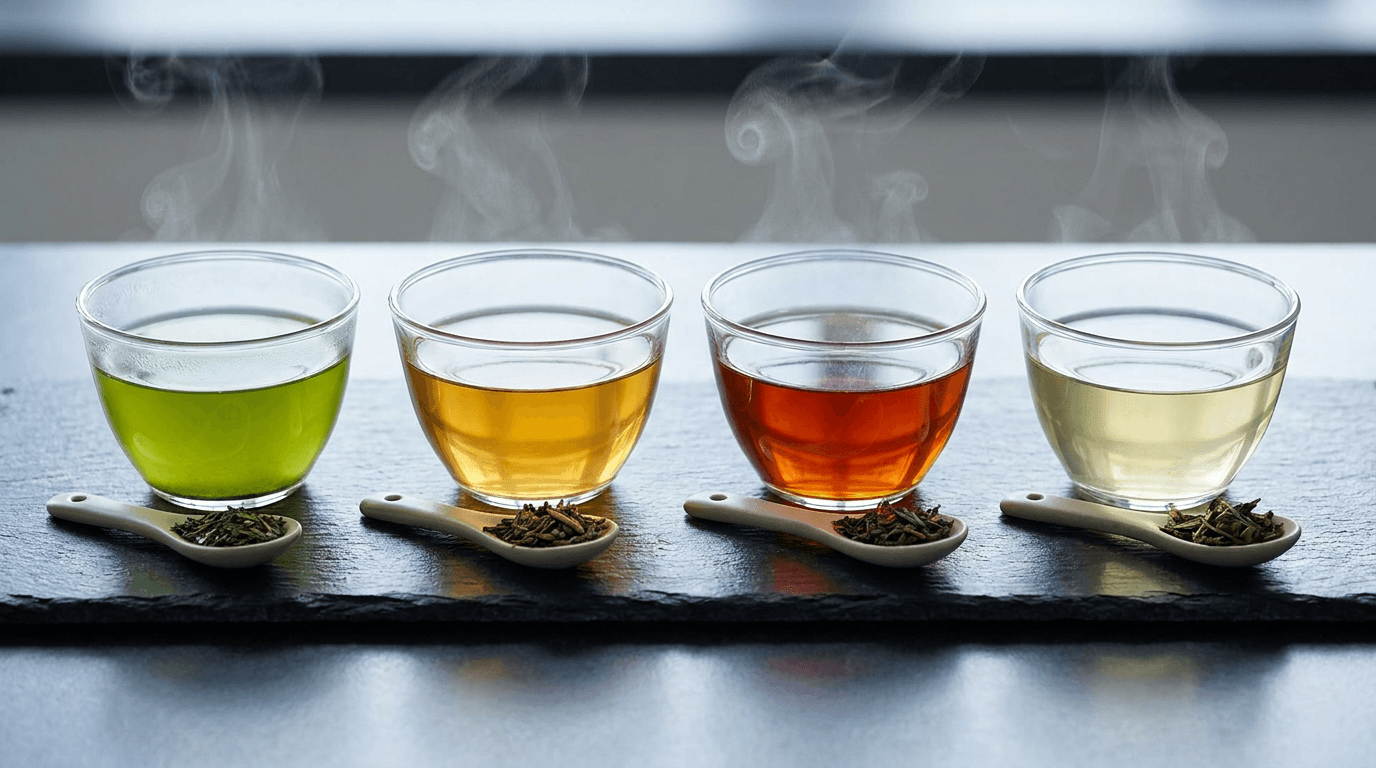
4. Thermal Shock Technique and Optimal Base Storage
Immediately after straining the steeped leaves, executing a thermal shock with ice cubes is mandatory. This rapid cooling locks in volatile aromatic notes and instantly arrests residual extraction that causes progressive bitterness. Once shocked, transfer the tea base into an insulated commercial dispenser or refrigerate at 4°C - 6°C. The tea base remains at peak sensory quality for 4 to 6 hours; never use bases held over 12 hours or exposed to open air, which causes oxidation, cloudiness, and sour off-flavors.
Related Posts
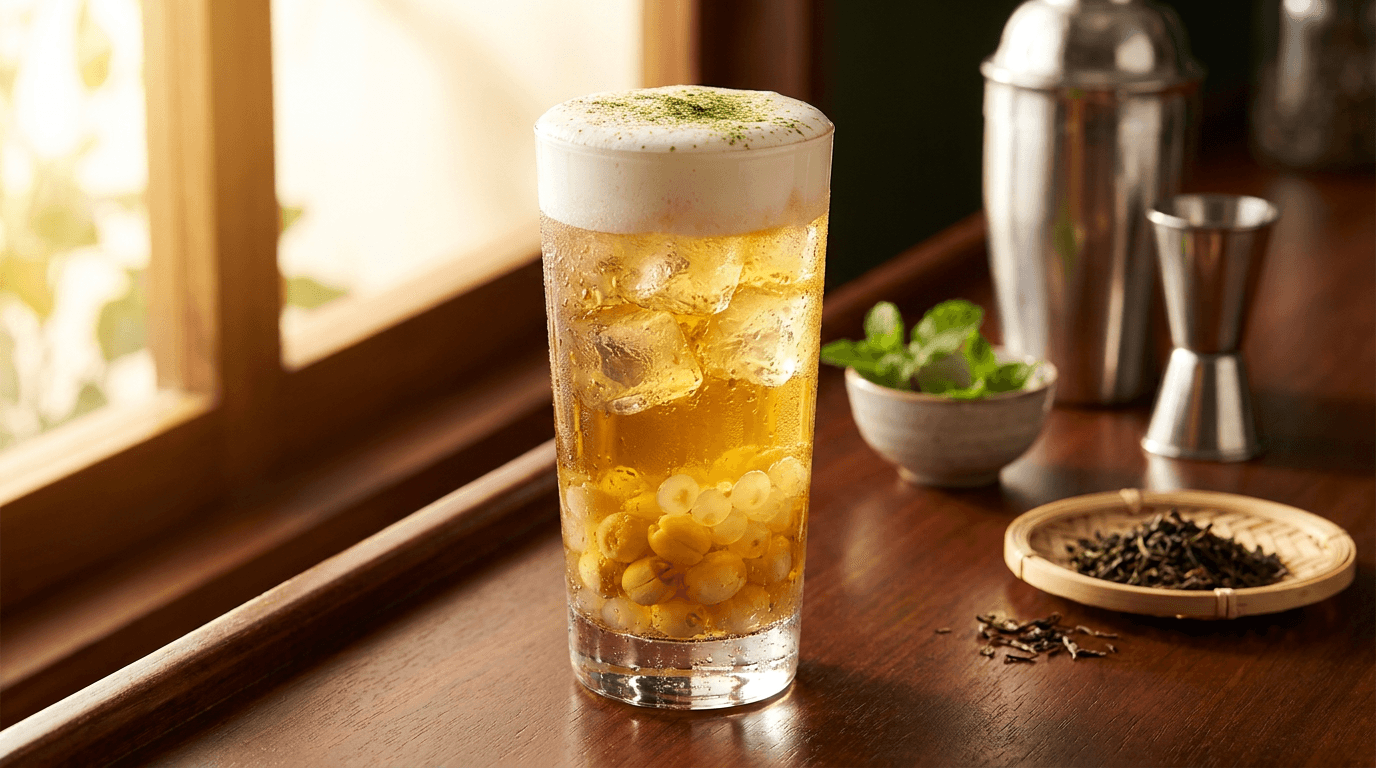
Healthy Low-Sugar Milk Tea Trend: Optimizing Pure Tea Base for F&B
Capture the healthy low-sugar milk tea trend with WECHA's full-bodied pure tea bases, cutting tea cost to $0.08/cup while preserving rich natural aftertaste.
Read More →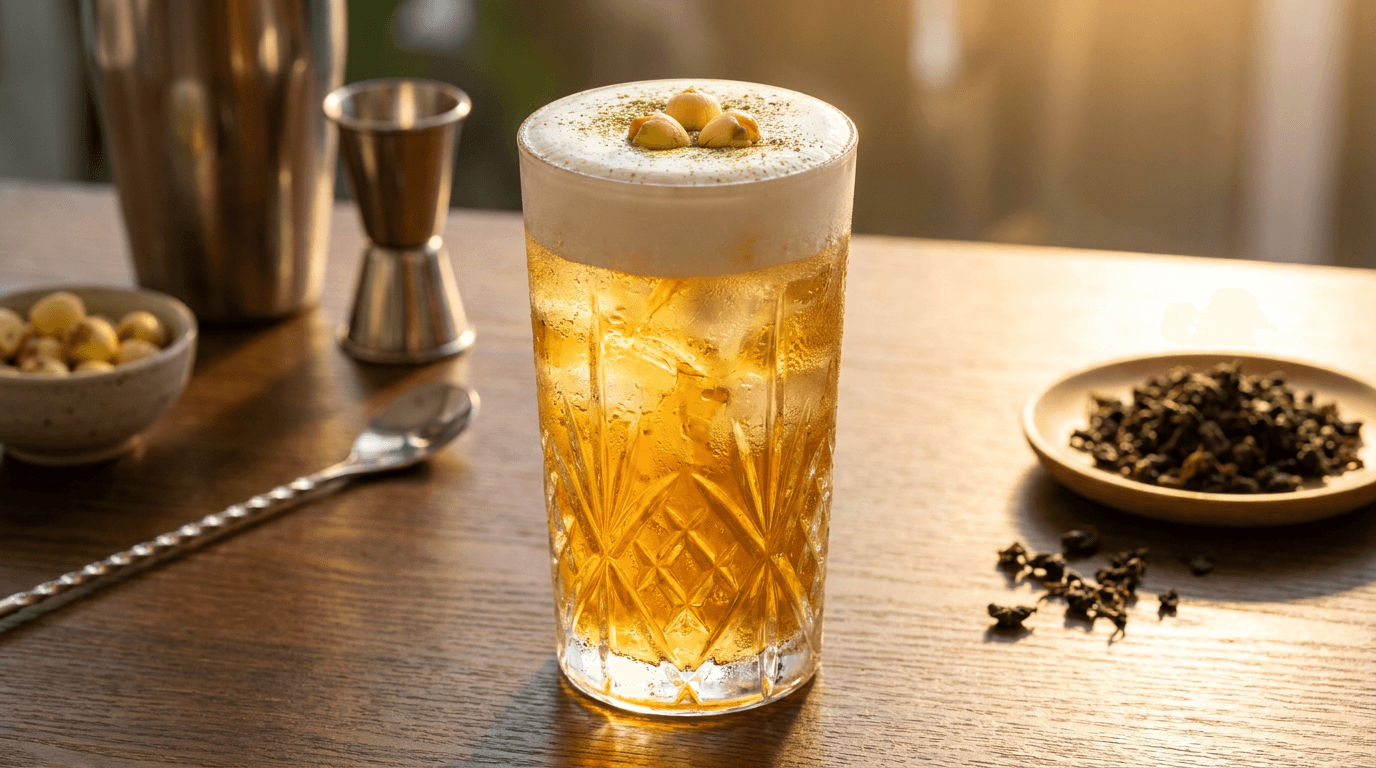
Commercial Cold Brew Tea Guide: Recipes & 48H Anti-Clouding Protocol
Master commercial cold brew tea extraction with WECHA protocols: 3-size recipes, 48-hour anti-clouding techniques, and 85% gross margin optimization.