Curating a High-Converting Autumn-Winter Hot Beverage Menu
1. The Strategic Importance of Restructuring Autumn-Winter Hot Menus
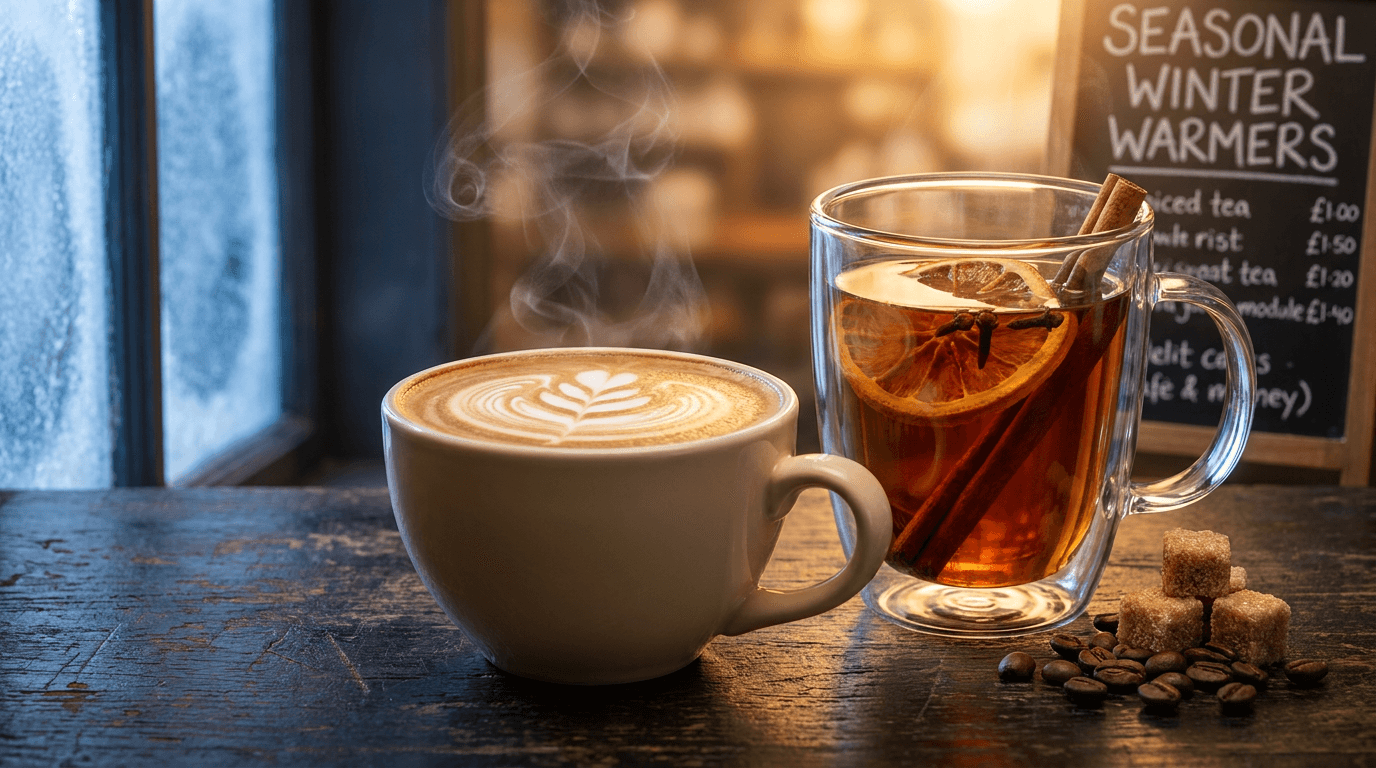
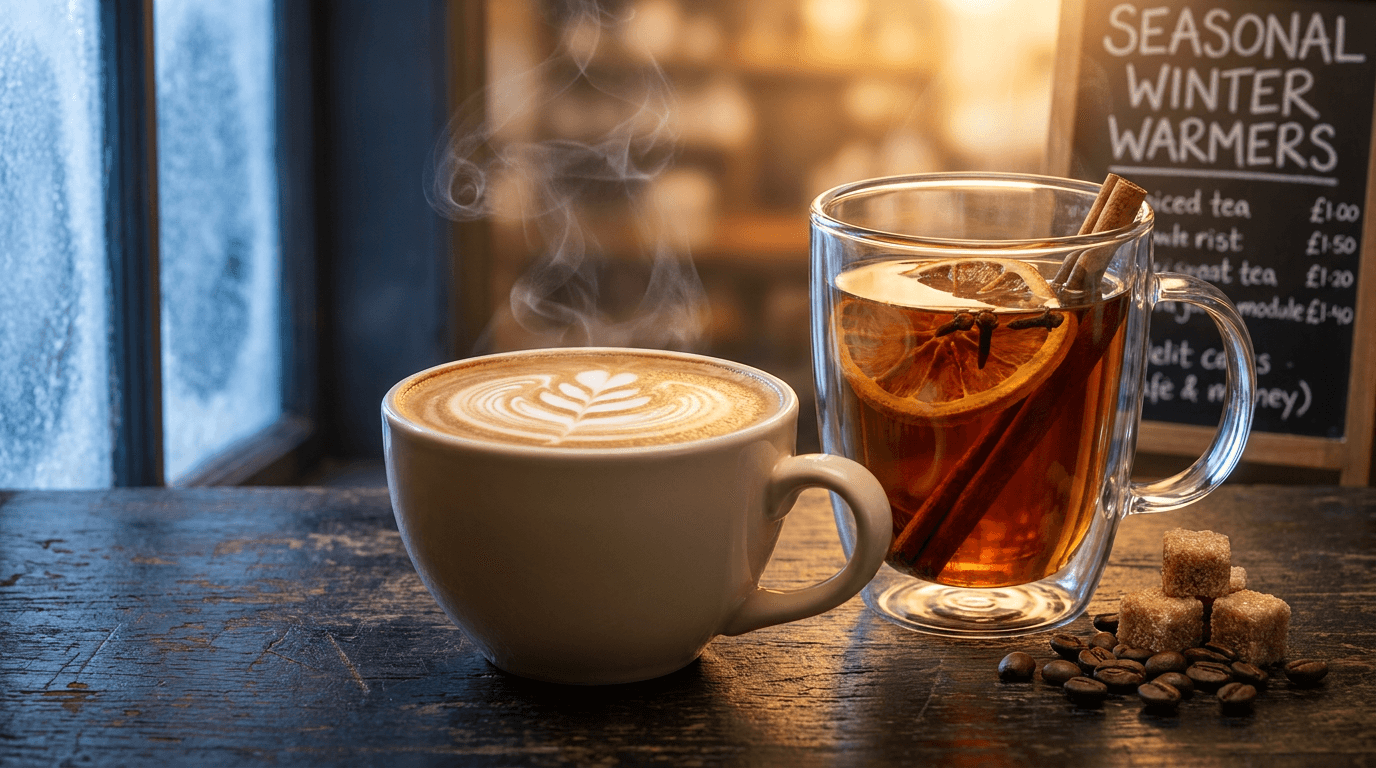
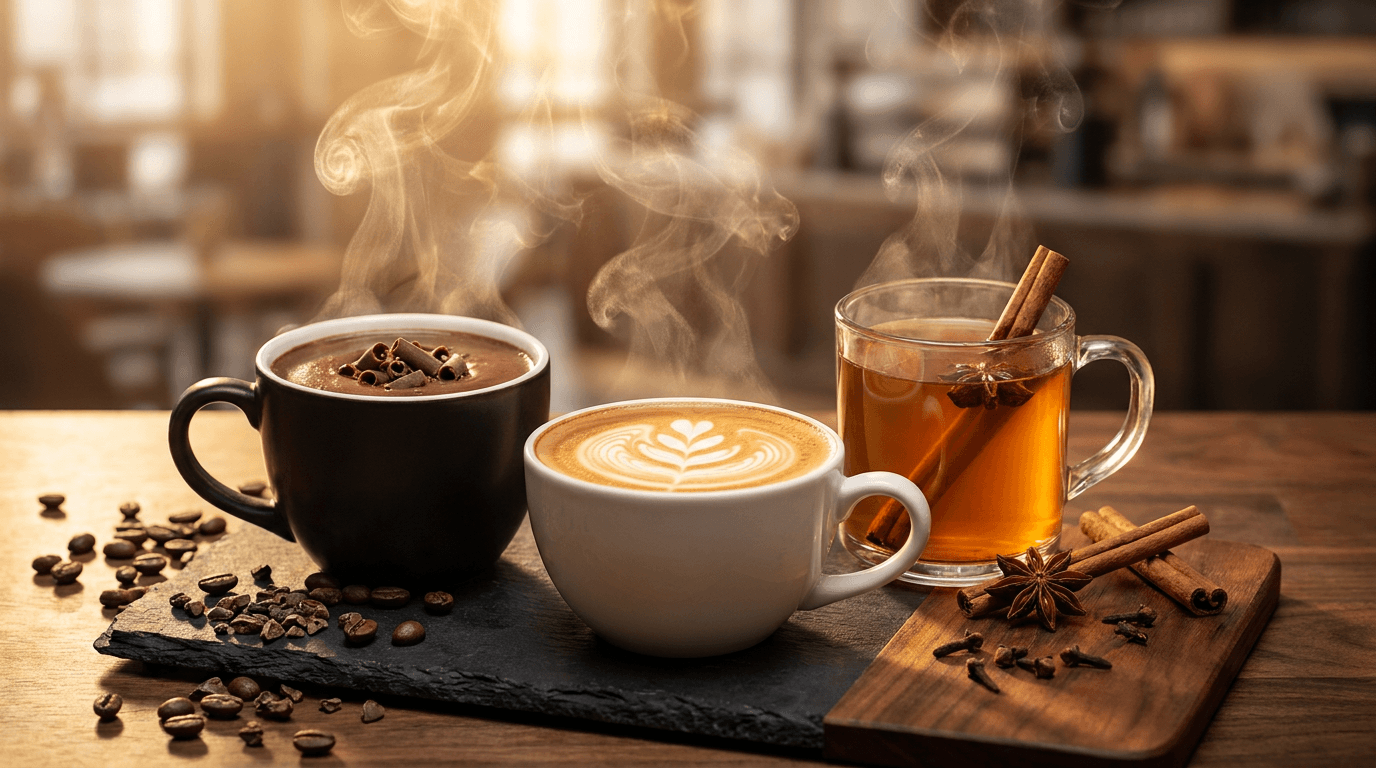
As the weather cools down, consumer behavior in the F&B industry shifts noticeably from refreshing iced drinks toward warming, energy-replenishing, and comfort-inducing beverages. Revamping an autumn-winter menu is not simply a matter of serving 'less ice' or heating up summer formulas. It requires a fundamental calibration of tea bases, richness, and aromatic volatilities that release efficiently at higher temperatures. Mastering this seasonal transition enables modern beverage brands to elevate average order value (AOV), retain recurring foot traffic, and secure healthy profit margins through the colder months.
2. Technical Extraction Parameters for Hot Beverage Bases
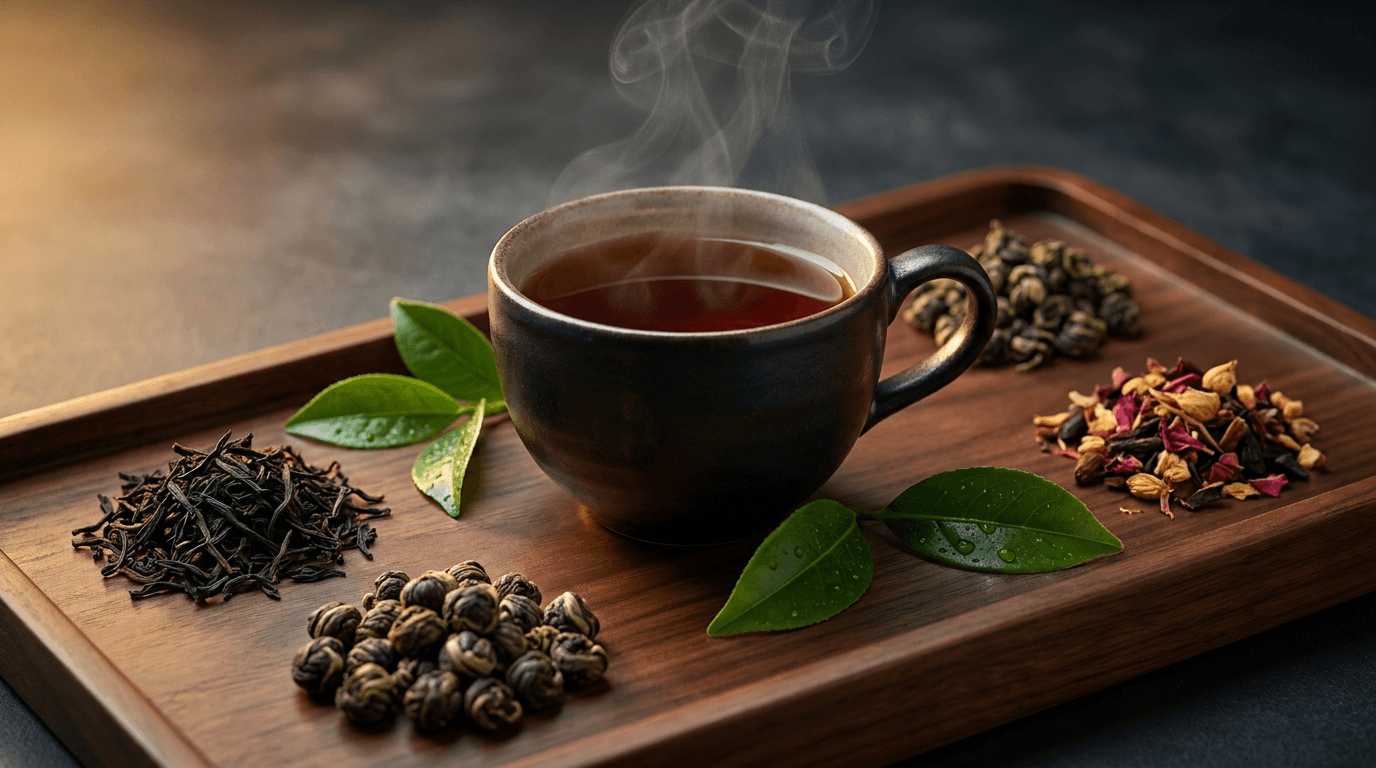
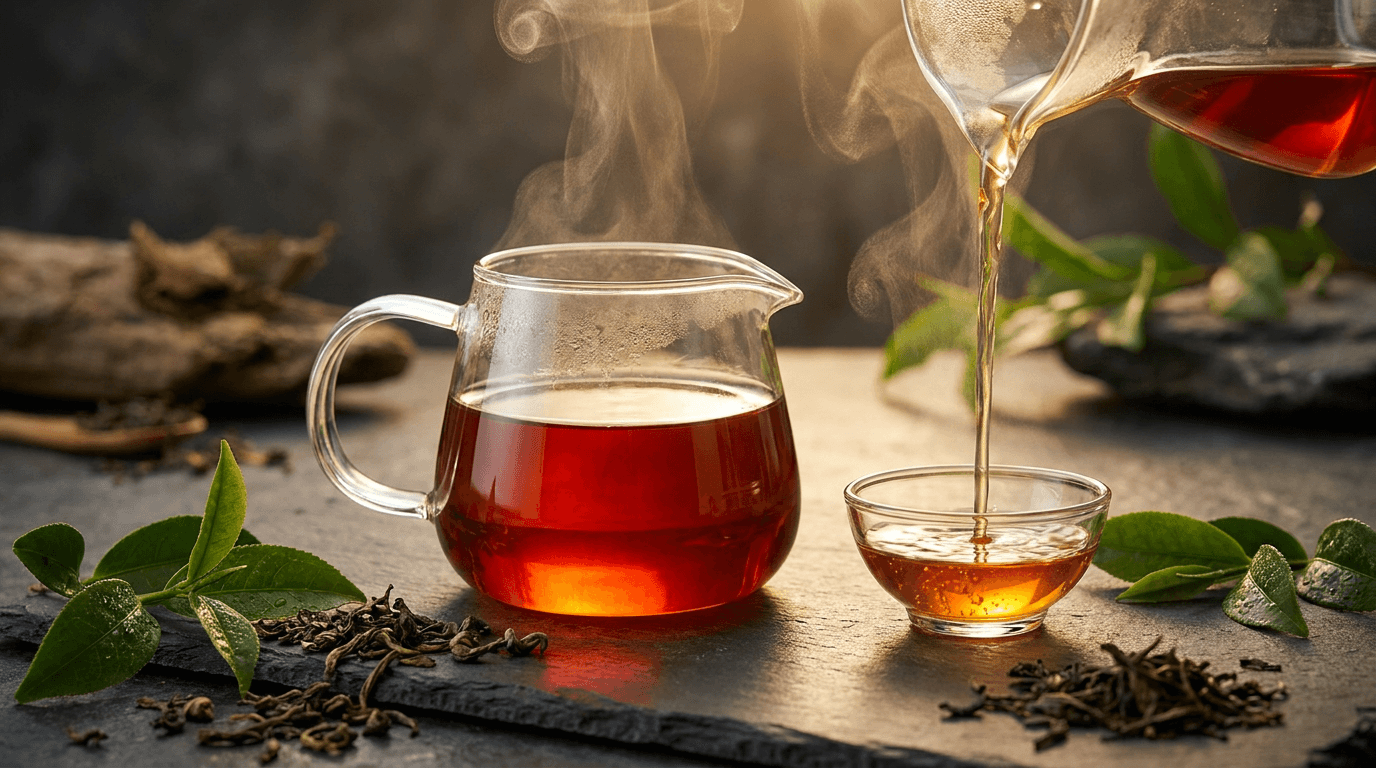
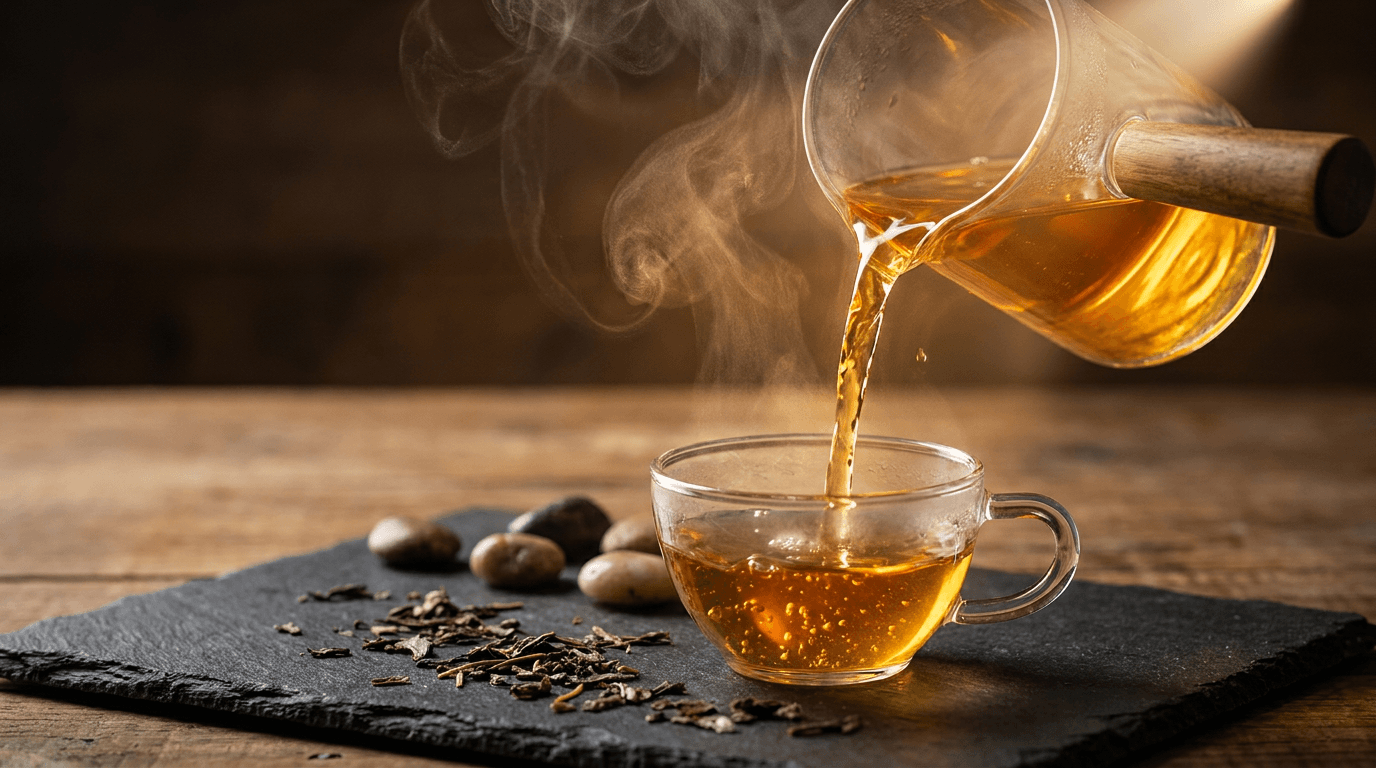
Hot beverages amplify astringency and bitterness far more noticeably than iced counterparts if the brewing parameters are inaccurate. Below is the standardized technical extraction guideline formulated by Wecha R&D for optimal balance: Base Tea Type Tea : Water Ratio Water Temp (°C) Brewing Duration Hot Drink Application Assam CTC Black Tea 1:25 - 1:30 95°C - 98°C 10 - 12 mins Classic hot milk tea, Spiced cinnamon milk tea Roasted Oolong Tea 1:30 - 1:35 92°C - 95°C 8 - 10 mins Roasted oolong cream latte, Warm chestnut tea Premium Jasmine Green 1:40 - 1:45 80°C - 83°C 7 - 8 mins Warm pink pomelo, Orange ginger spice (cane sugar syrup) Tie Guan Yin Oolong 1:35 90°C - 93°C 8 mins Hot Tie Guan Yin micro-foam latte
3. Three Signature Hot Beverage Pillars to Drive Seasonal Sales
To streamline pantry inventory and counter speed-of-service, a high-converting autumn-winter menu should center around three dominant pillars: Deep Roasted Milk Tea: Anchored by roasted oolong or bold CTC black tea bases blended with premium dairy or whole milk steamed to 65°C, balanced with rich brown sugar syrup or warm caramel notes. Spiced Warm Fruit Teas: Pairing citrus and stone fruit profiles with roasted fresh ginger, cinnamon sticks, and pure cane rock sugar syrup. Serving at 60°C - 65°C maximizes aromatic dispersion without degrading fruit acidity. Warm Grain & Botanical Lattes: Capitalizing on warming textures like taro, red bean, roasted chestnut, and matcha steamed to a velvety consistency, offering nourishing meal-replacement qualities for cold days.
4. Operational Workflow Optimization and Serving Temperatures
A frequent pitfall in cold-weather beverage execution is either rapid heat loss or serving scalding liquids that compromise flavor perception. The optimal hand-off temperature to the customer must sit precisely between 60°C and 65°C. Counter setups must feature calibrated thermal urns, high-grade double-wall insulated paper cups, and heat-resistant sipping lids. Standardizing steam-wand texturing protocols or dedicated rapid-induction heating systems ensures uniform micro-foam integration and peak customer satisfaction across every ticket.
Related Posts
Healthy Low-Sugar Milk Tea Trend: Optimizing Pure Tea Base for F&B
Capture the healthy low-sugar milk tea trend with WECHA's full-bodied pure tea bases, cutting tea cost to $0.08/cup while preserving rich natural aftertaste.
Read More →
Commercial Cold Brew Tea Guide: Recipes & 48H Anti-Clouding Protocol
Master commercial cold brew tea extraction with WECHA protocols: 3-size recipes, 48-hour anti-clouding techniques, and 85% gross margin optimization.