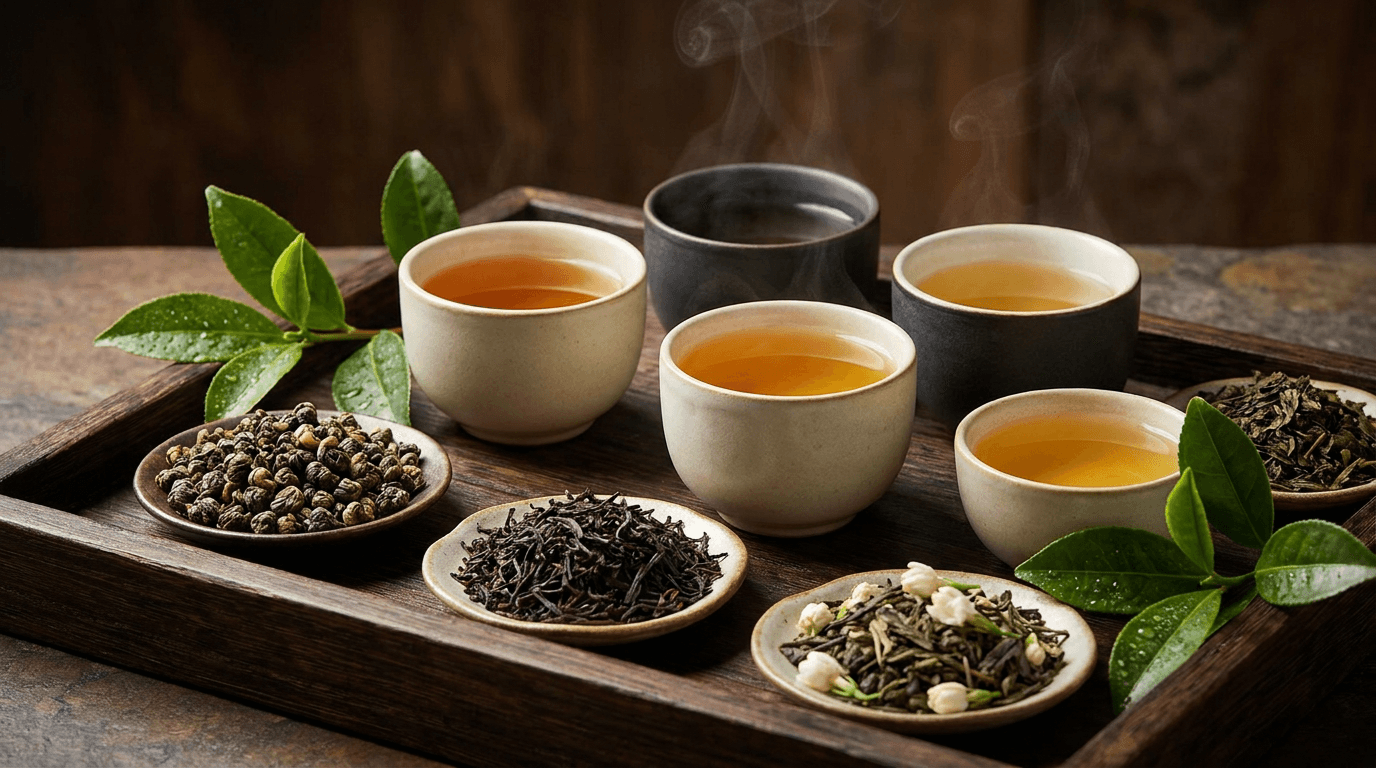
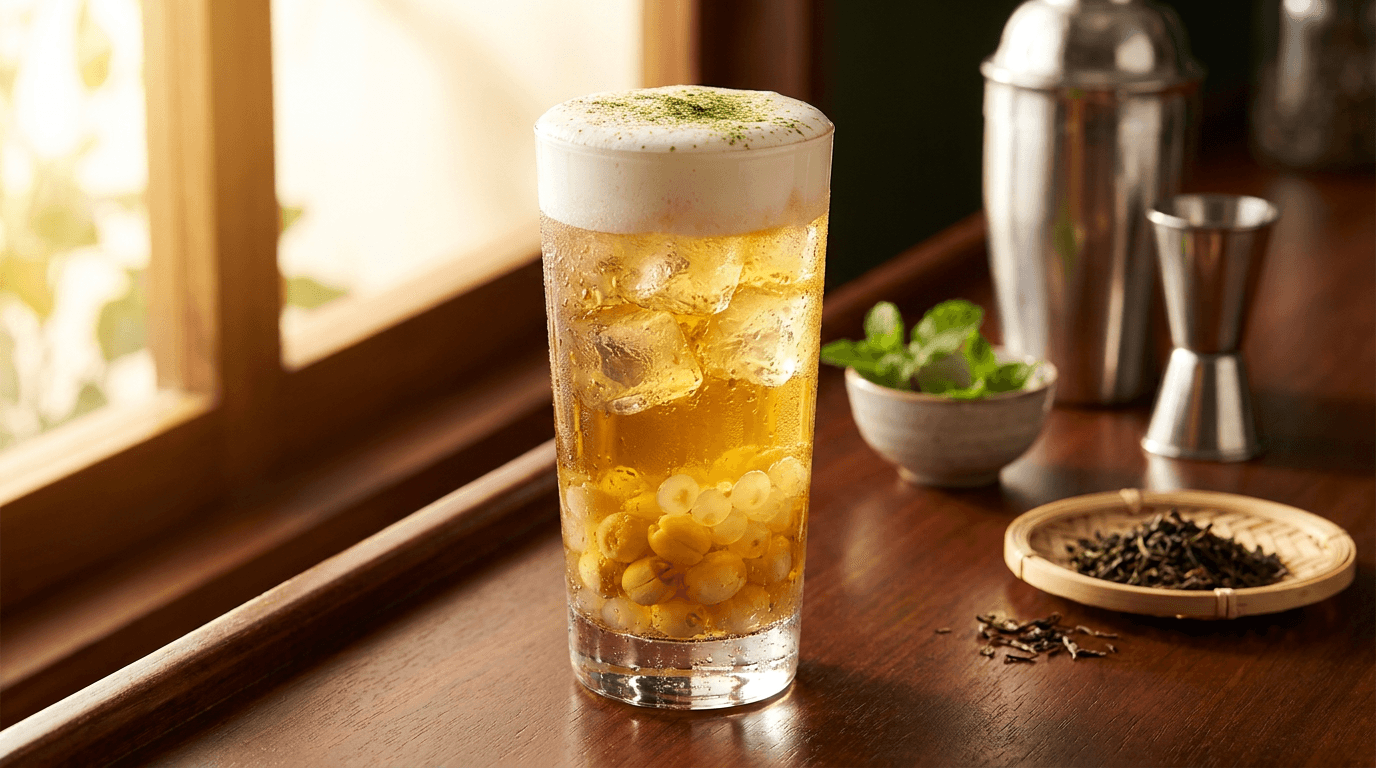
Healthy Low-Sugar Milk Tea Trend: Optimizing Pure Tea Base for F&B
Accelerated by the growing demand for balanced nutrition, the healthy low-sugar milk tea trend is reshaping the beverage industry as over 68% of consumers actively choose 0% - 30% sweetness alongside plant-based milks. The critical hurdle for cafe owners is weak, diluted flavor when cutting industrial sweeteners. The solution engineered by WECHA tea processing factory (50 tons/month capacity) lies in high-density pure tea bases, delivering full-bodied drinks with tea extraction costs as low as $0.08 - $0.11/cup while securing a 75% - 80% gross margin.
1. Overview of the Healthy Low-Sugar Milk Tea Trend and the 'Reduced Sugar, Lost Flavor' Paradox in F&B
Modern consumers no longer tolerate overly heavy milk teas loaded with artificial flavoring or cloying sugar syrups. Young professionals, office workers, and health-conscious patrons are rapidly shifting toward clean, low-calorie, and transparent beverage choices.
1.1. The Consumer Shift Toward 0% - 30% Sugar Levels and Plant-Based Milk
Market data reveals that customer orders for 0% - 30% sugar at leading tea chains have surged from 22% to over 60% in just two years. Concurrently, plant milks such as oat milk, almond milk, and cashew milk are steadily replacing non-dairy creamer powders. Consumers expect beverages that deliver both sensory refreshment and functional wellness without guilt.
1.2. The 'Reduced Sugar, Lost Flavor' Paradox of Low-End Commercial Tea
When beverage stores adjust sugar levels downward using cheap commercial tea bags or artificially scented leaves, quality collapses. Low-grade teas rely heavily on sugar and fat powders to mask astringency, harsh bitterness, and synthetic odors. Once sweetness is cut, the drink exposes a hollow mouthfeel (thin-body), breaks emulsion with milk, and leaves a sour, unpleasant aftertaste. Disappointed customers feel the beverage is watery and uninspired, causing repeat order rates to drop sharply.
2. Why is Full-Bodied Pure Leaf Tea the Golden Key for Low-Sugar Healthy Milk Tea Menus?
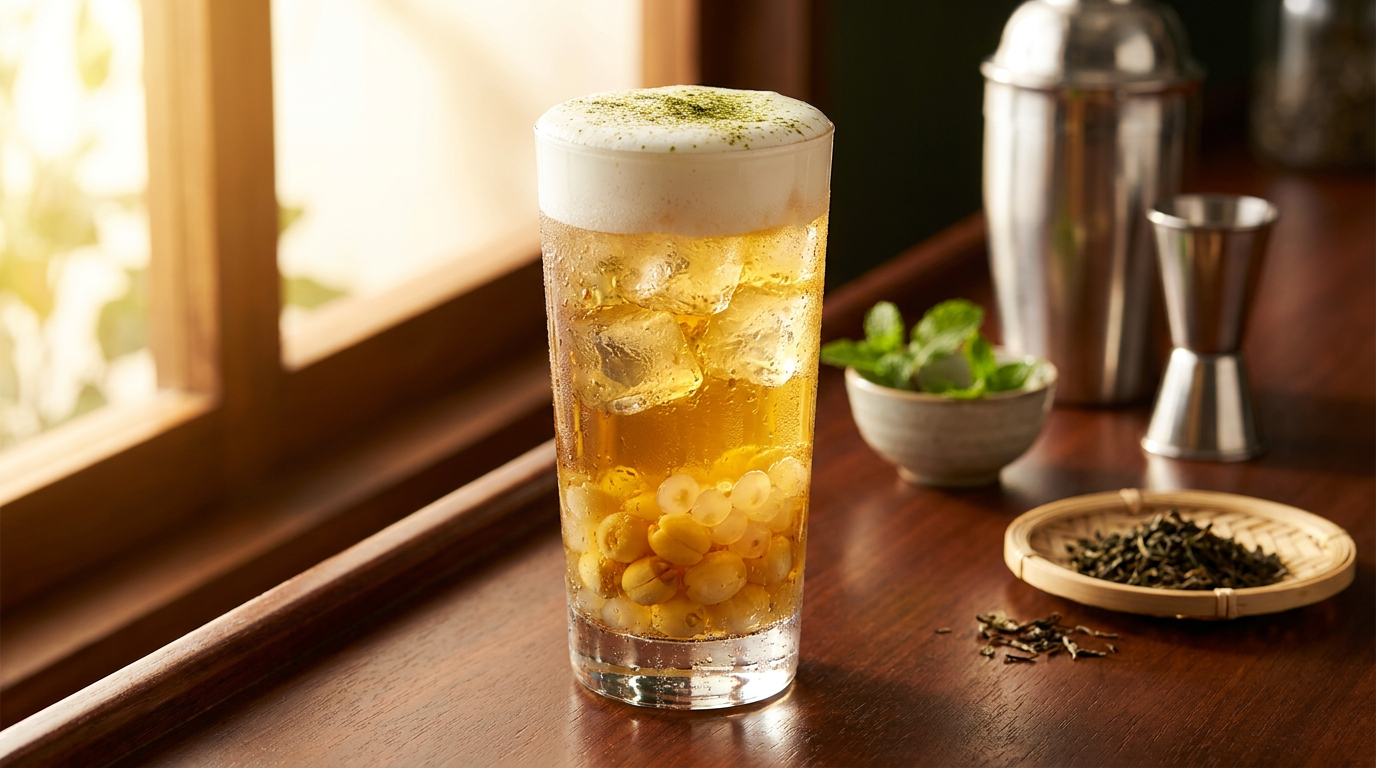
Full-bodied pure leaf tea resolves the low-sugar paradox because it naturally contains superior levels of plant polyphenols and theanine, yielding a dense, velvety mouthfeel on the palate. Rather than depending on synthetic sweeteners, the rich natural sweetness and lasting aftertaste (huigan) of high-mountain tea buds seamlessly compensate for sugar reduction, allowing low-sugar milk tea to harmonize beautifully with plant milks.
2.1. Polyphenol and Theanine Architecture Creating Dense Tea Body
The mouthfeel of brewed tea is governed by total soluble tea solids, notably theanine, gentle tannins, and soluble plant pectins. When blended with unsweetened dairy or plant-based milks, these compounds bind tightly with healthy fats and proteins, establishing a stable emulsion. As a result, the milk tea retains a velvety texture and avoids watery separation even when refined sugar is cut to zero.
2.2. Comparative Breakdown: WECHA Premium Pure Leaf Tea vs. Cheap Flavored Commercial Tea
The structural difference between pure highland tea leaves and mass-market flavored tea directly defines customer experience and operational consistency:
| Evaluation Criteria | WECHA High-Body Pure Leaf Tea | Cheap Flavored Commercial Tea |
|---|---|---|
| Raw Leaf Origin | Hand-picked 1-bud-1-to-2-tender leaves from Northwest highlands | Coarse old leaves, stalks, and blended industrial tea dust |
| Aromatic Profile | Natural wild honey and ripe stone fruits, thermally stable | Synthetic aroma spray, sharp at first, evaporates quickly |
| Body at Low Sugar (0-30%) | Full-bodied, clean creaminess, seamlessly emulsified | Thin, watery, disjointed, sharp astringency exposed |
| Aftertaste (Huigan) | Deep, lingering sweetness residing at the back of throat | Harsh throat dryness, bitter finish, chemical sourness |
| Food Safety & Compliance | Certified HACCP, ISO 22000, systematic lab testing | Untraceable origin, high risk of pesticide/fragrance residue |
3. What are Shan Tuyet Ancient Terroirs and the Crafting Secret to Creating Natural Sweetness Without Refined Sugar?
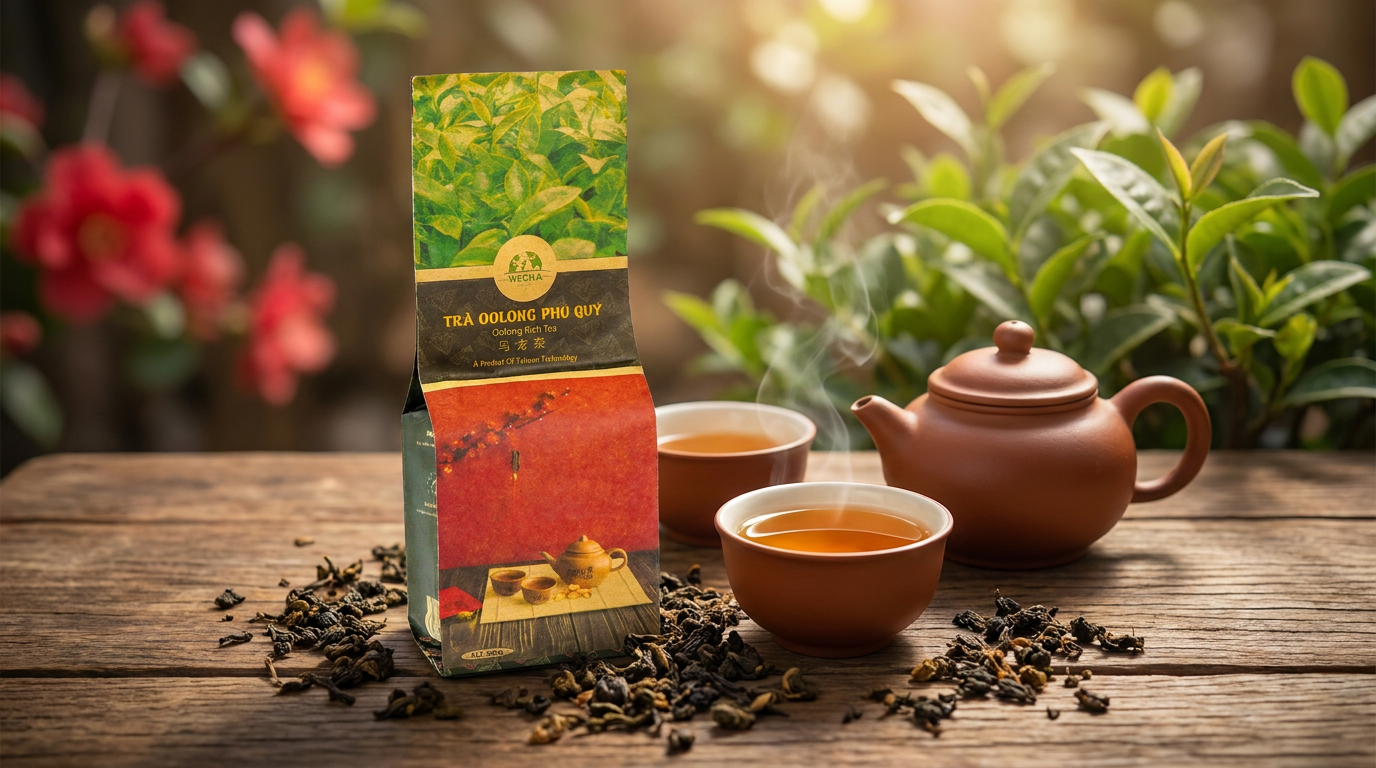
The secret behind creating natural sweetness without refined sugar lies in the mineral-rich terroir above 1,400 meters and controlled artisan oxidation. Ancient tea trees rooted deep within misty Northwest mountains absorb dense subterranean minerals, naturally yielding abundant polysaccharides and theanine that generate long-lasting throat sweetness without additives.
3.1. High-Altitude Northwest Terroir and Mineral Nutrient Accumulation
Unlike lowland commercial tea plantations, ancient Shan Tuyet tea trees grow wild under perennial mist and mountain cloud cover, enduring diurnal temperature swings exceeding 12°C. Slow photosynthetic metabolism encourages buds to coat themselves in dense silver trichomes, concentrating rich aromatic compounds and amino acids. This pristine biochemical structure creates the trademark sweet lingering finish prized in high-end culinary tea craft.
3.2. Controlled Oxidation Engineering Pure Aromatic Layers
Under strict processing standards at the Shan Tuyet wholesale tea supplier WECHA, tea masters execute slow withering, gentle bruising, and moisture-controlled oxidation. This precise enzymatic conversion transforms harsh tannins into balanced theaflavins and thearubigins, giving the liquor a lustrous amber hue and subtle forest honey notes. The resulting broth possesses robust structural depth capable of carrying creamy milks effortlessly.
4. Standard Brewing Parameters for 3 Signature WECHA Pure Teas Dedicated to Healthy Menus
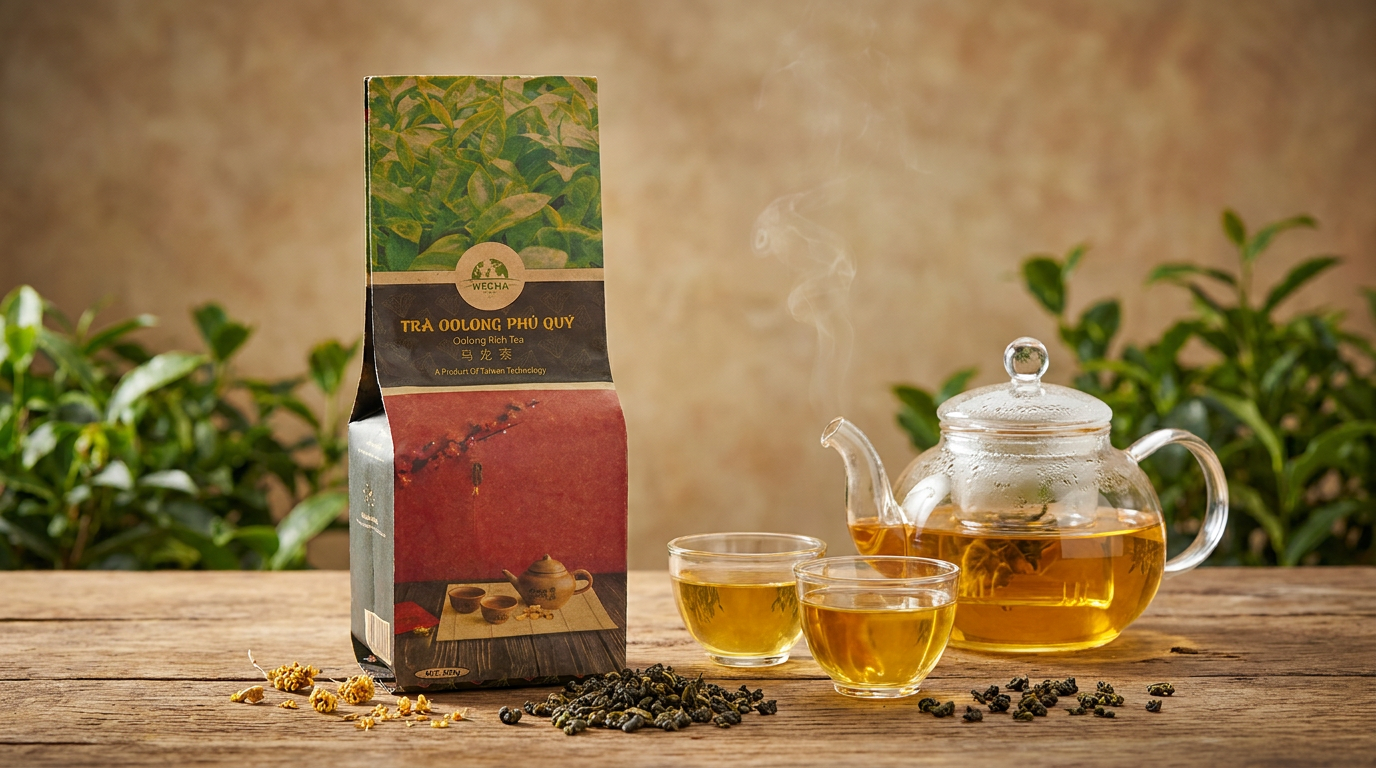
To maximize pure floral-fruity extraction while restraining bitter tannins, WECHA's R&D center has standardized extraction parameters across 3 signature tea lines for bar operations:
4.1. Extraction Temperature and Steeping Time Standards
Baristas and store managers must strictly adhere to the following time-temperature parameters to maintain identical batch excellence across daily service:
| WECHA Pure Tea Line | Tea to Water Ratio | Water Temp | Steeping Time | Sensory Notes & Menu Applications |
|---|---|---|---|---|
| WECHA Green Spring Oolong | 60g tea / 1,500ml water | Exact 90°C | 8 - 10 mins | Luminous straw yellow, crisp fresh orchard fruit, gentle astringency, deep sweet huigan. Ideal for Oat Milk Oolong and low-sugar fruit teas. |
| WECHA Ancient Shan Tuyet Black Tea | 80g tea / 1,500ml water | Exact 90°C | 10 - 15 mins | Lustrous amber-red liquor, heavy full-body, wild honey and ripe stone fruit nuances. Retains creaminess at 0% - 30% sugar without flattening. |
| WECHA Fresh Jasmine Green Tea | 50g tea / 1,500ml water | Exact 80°C | 5 - 7 mins | Pristine yellow-green, natural fresh jasmine blossom fragrance. Perfect for Jasmine Almond Milk Tea and low-calorie Jasmine Macchiatos. |
4.2. Thermal Control Advice for Preserving Delicate Top Notes
For naturally scented teas like Fresh Jasmine Green Tea, brewing temperature is paramount. Pouring boiling 100°C water scorches delicate jasmine floral oils and denatures green tea catechins, turning liquor cloudy and unpalatably bitter.
WECHA Head of R&D Tip: Always measure brewing temperature with a calibrated digital thermometer before pouring. For low-sugar healthy menus, let tea extract gently; never press or squeeze the tea residue bag during filtration to prevent astringent tannins and micro-particles from clouding your liquor.
5. Practical Recipe Guide for Healthy Milk Tea in 3 Sizes (S-M-L) and 80% Gross Margin Optimization
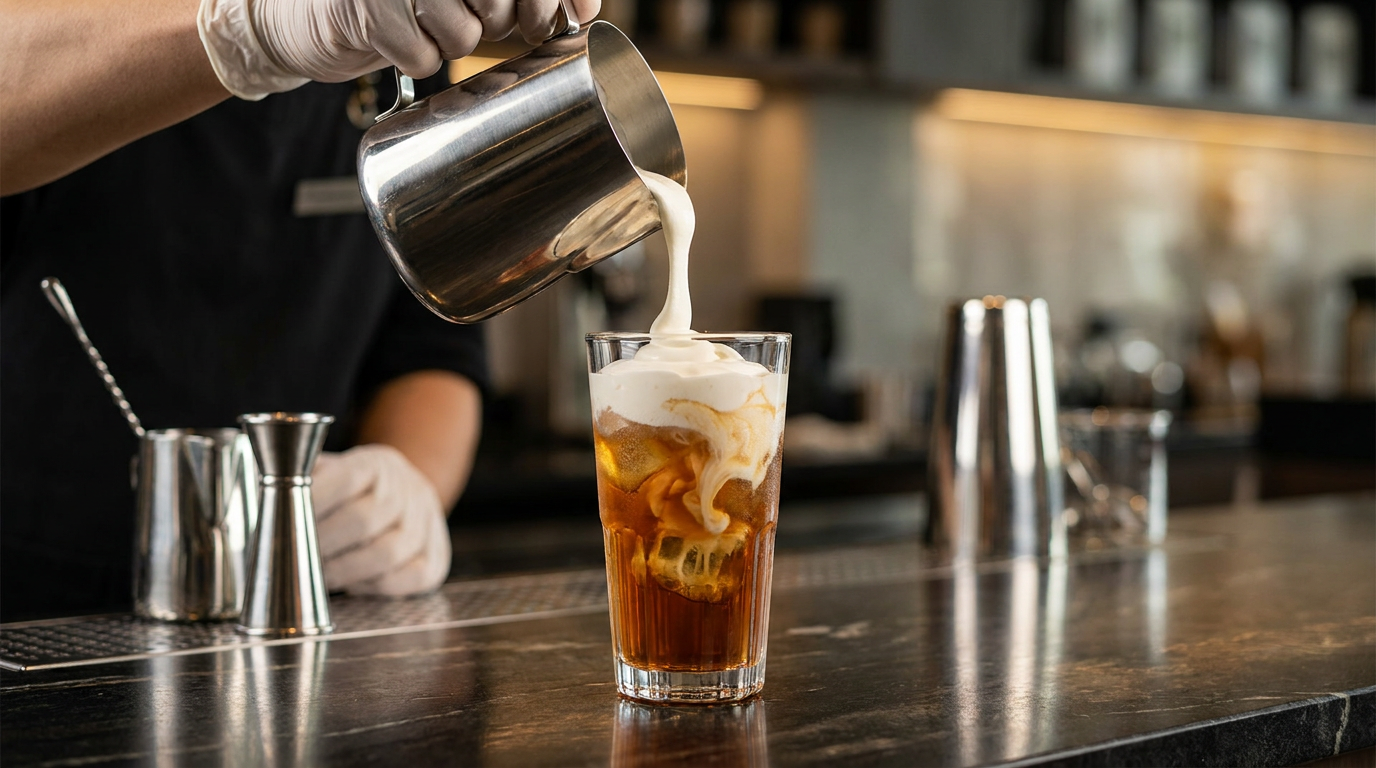
Leveraging wholesale bulk milk tea ingredients and bases, operators can configure standardized formulas across 3 common cup sizes, pleasing customers while enforcing rigorous cost controls.
5.1. Standardized 3-Size Formulation Matrix (S - M - L)
Below is the commercial formula applying WECHA Ancient Shan Tuyet Black Tea paired with oat milk or low-fat dairy and natural sweeteners:
| Ingredient Component | Size S (350ml) | Size M (500ml) | Size L (700ml) |
|---|---|---|---|
| WECHA Ancient Shan Tuyet Tea Base | 100 ml | 130 ml | 160 ml |
| Oat Milk / Low-fat Fresh Milk | 80 ml | 100 ml | 130 ml |
| Rock Sugar Syrup / Natural Nectar | 10 ml | 15 ml | 20 ml |
| Purified Ice Cubes | 150 grams | 200 grams | 260 grams |
| Raw Cost of Goods Sold (COGS) | ~$0.20 (4,800 VND) | ~$0.23 (5,600 VND) | ~$0.28 (6,800 VND) |
| Suggested Retail Price | $1.45 (35,000 VND) | $1.85 (45,000 VND) | $2.25 (55,000 VND) |
| Gross Margin | 86.2% | 87.5% | 87.6% |
5.2. Cost Deconstruction and Long-Term Business Feasibility
Sourcing directly from WECHA's wholesale manufacturing facility keeps pure tea base cost strictly between $0.08 and $0.11 per serving. Even when paired with clean plant-based oat milk, total ingredient cost for a Medium cup sits comfortably at $0.23 (5,600 VND). Positioning your brand in the premium health-conscious tier at $1.60 - $2.25/cup yields a gross margin well over 80%, unlocking sustainable cash flow for store scaling or investing in WECHA milk tea franchise opportunities.
6. Register for Sample Tea Tasting Kit for F&B Stores & Download WECHA Wholesale Price List 2026 (.PDF)
Transitioning your beverage menu to healthy, low-sugar offerings is no fleeting trend; it is the fundamental strategy for securing high-LTV, discerning consumers. The physical body and purity of your tea base is the bedrock of your brand reputation.
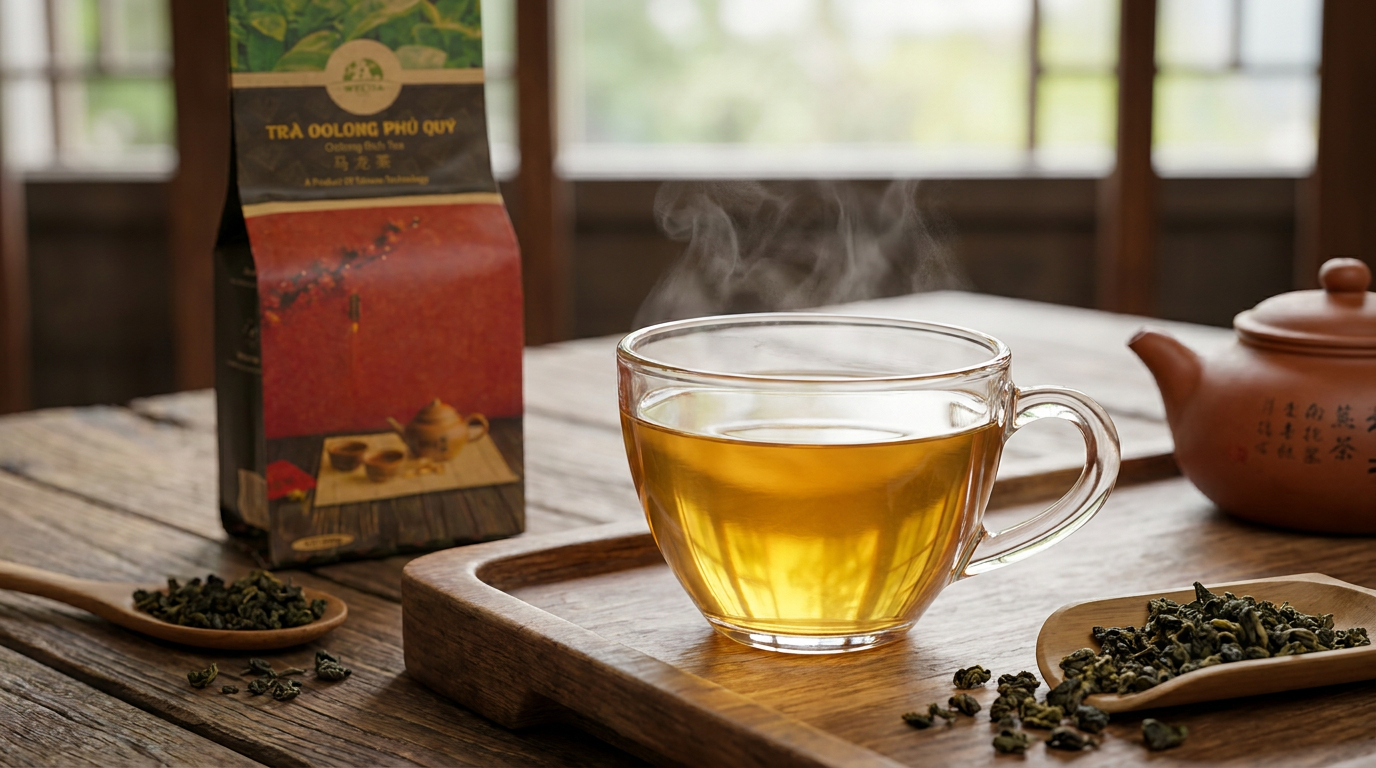
WECHA supports tea shops, cafe chains, and commercial R&D partners nationwide with direct tasting samples and beverage formulation consultancy. Contact our specialists today to experience the structural difference of high-altitude pure tea bases:
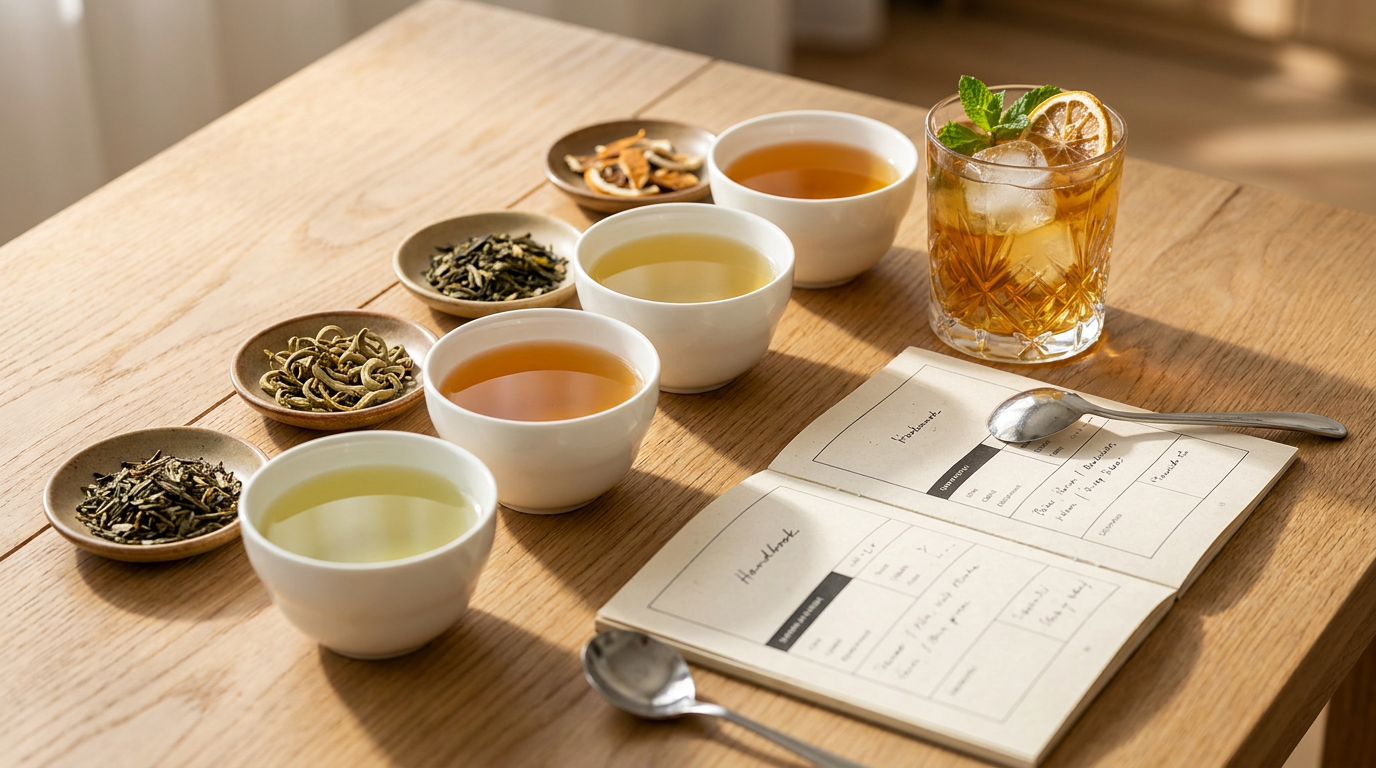
👉 Register for free tea testing samples and instantly download the comprehensive WECHA Wholesale Price List 2026 (.PDF) along with our exclusive commercial barista handbook.
Related Posts
Smoked Roasted Milk Tea Recipe: The Autumn-Winter Signature for Coffee & Tea Shop Owners
A comprehensive guide to crafting authentic smoked roasted milk tea for autumn/winter, featuring standardized extraction ratios and cost optimization for F&B business owners.
Read More →
Drinking Tea in Cold Weather: 5 Essential Tips to Stay Warm and Protect Digestion
An expert guide from WECHA highlighting 5 essential winter tea-drinking rules to maintain core temperature, support digestion, and optimize brewing ratios.