How to Store Bulk Dry Tea Without Aroma Loss and Mold Growth
1. Primary Causes of Aroma Loss and Mold in Bulk Dry Tea
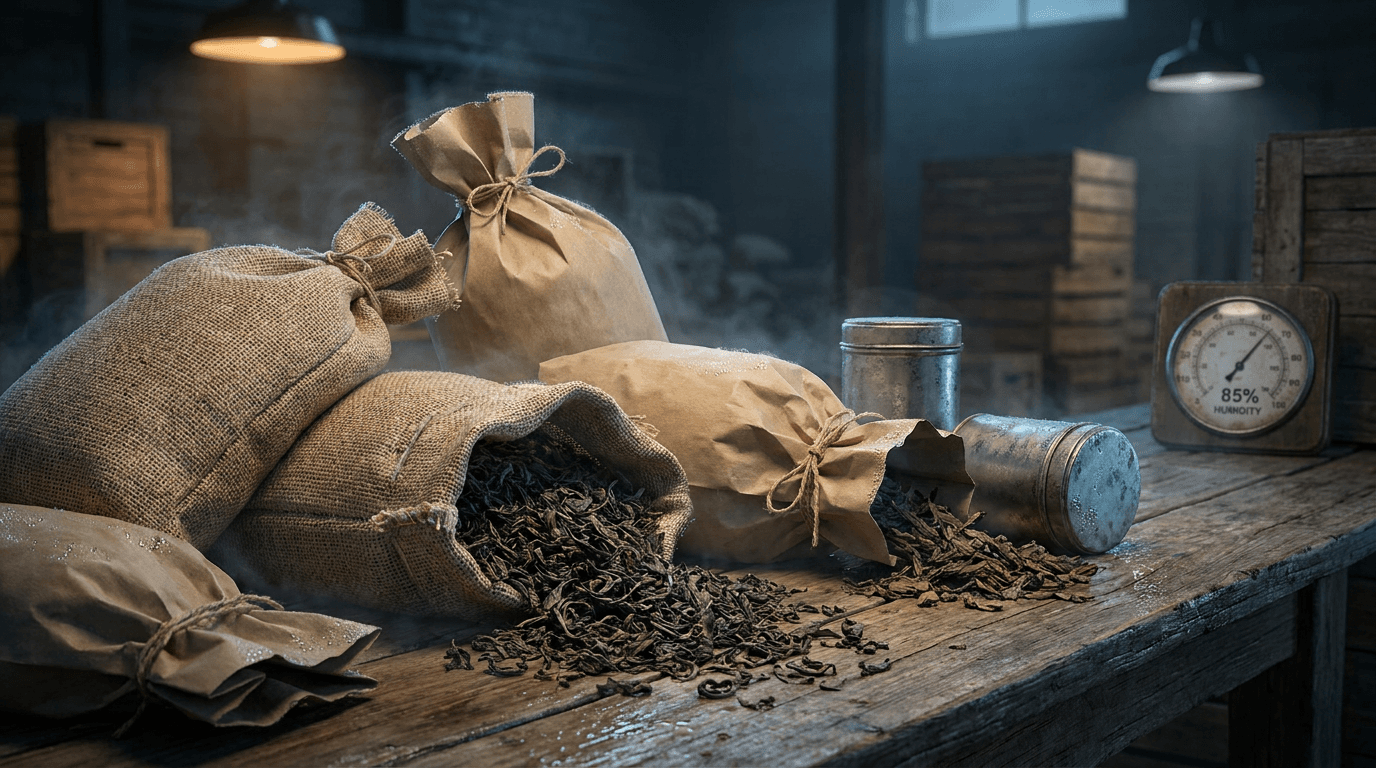
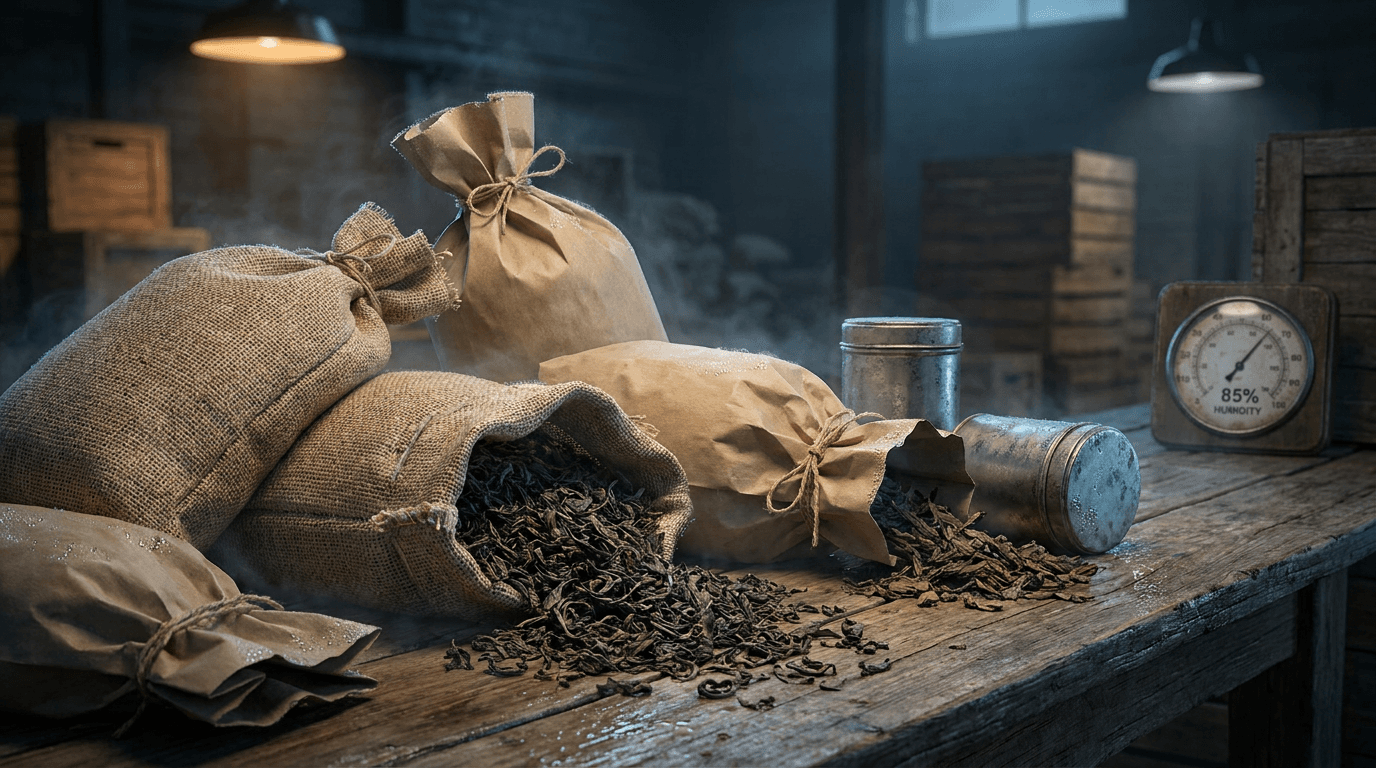
Dry tea leaves are highly hygroscopic and susceptible to absorbing ambient odors due to their porous cell structure. For beverage businesses and wholesale distributors, managing inventory of dozens or hundreds of kilograms demands rigorous environmental controls. The top three degraders of tea quality are excessive ambient humidity, direct sunlight breaking down chlorophyll and aromatic compounds, and air currents carrying external contaminants into stored batches.
2. Warehouse Standards and Packaging Techniques for Bulk Tea Storage
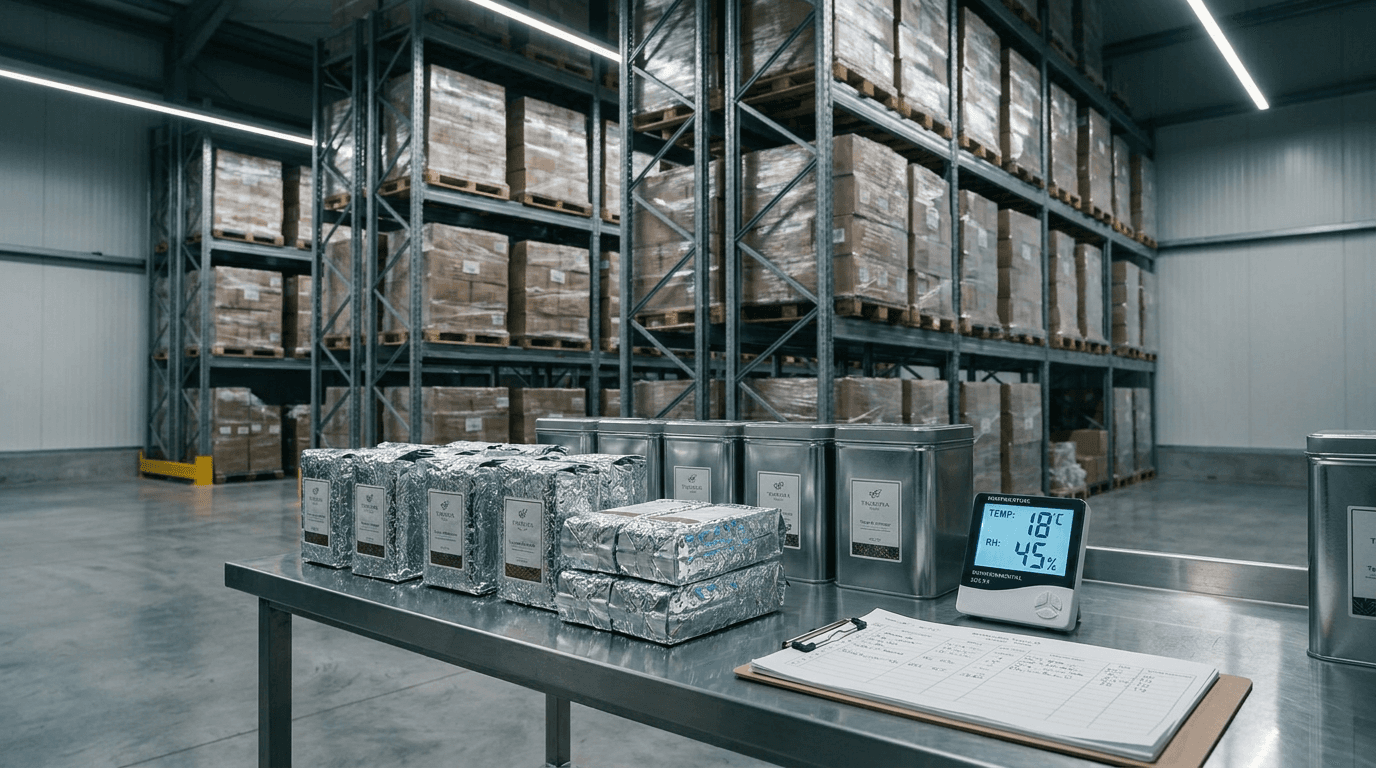
To preserve essential oils and maintain fresh profile across long storage cycles, facilities should adhere to industrial storage protocols: Packaging Barriers: Employ multi-layer aluminum foil or kraft-barrier pouches with heat-sealed seams or vacuum valves to eliminate oxygen ingress. Warehouse Setup: Stack tea containers on non-absorbent plastic pallets at least 15-20cm off the floor and 30cm away from concrete walls. Install commercial dehumidifiers to keep relative humidity (RH) below 50%. Cold/Cool Storage: Delicate, minimally oxidized teas such as green tea require climate-controlled rooms between 15°C and 20°C to inhibit polyphenol degradation.
3. Technical Storage Parameters and Quality Control Specifications
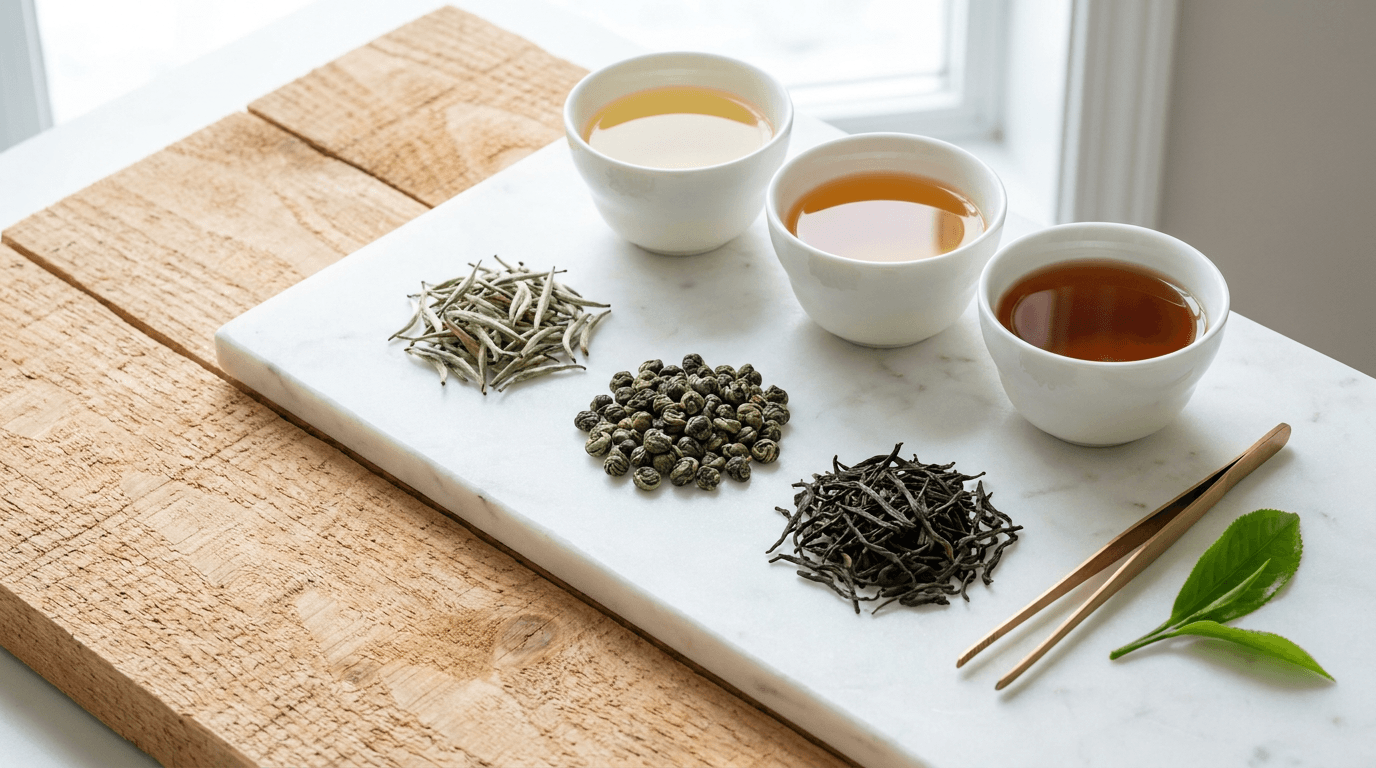
The following table outlines the technical conditions and brew parameters required for inventory maintenance and testing: Tea Category Storage RH (%) Warehouse Temp (°C) Brewing Ratio Water Temp (°C) Green Tea < 45% 15°C - 18°C 1:30 (Tea : Water) 80°C - 85°C Oolong Tea < 50% 20°C - 24°C 1:25 (Tea : Water) 90°C - 95°C Black Tea < 55% 22°C - 26°C 1:30 (Tea : Water) 95°C - 98°C Aged / Pu-erh Tea 45% - 55% 20°C - 25°C 1:20 (Tea : Water) 98°C - 100°C
4. Sensory and Extraction Protocol for Post-Storage Evaluation
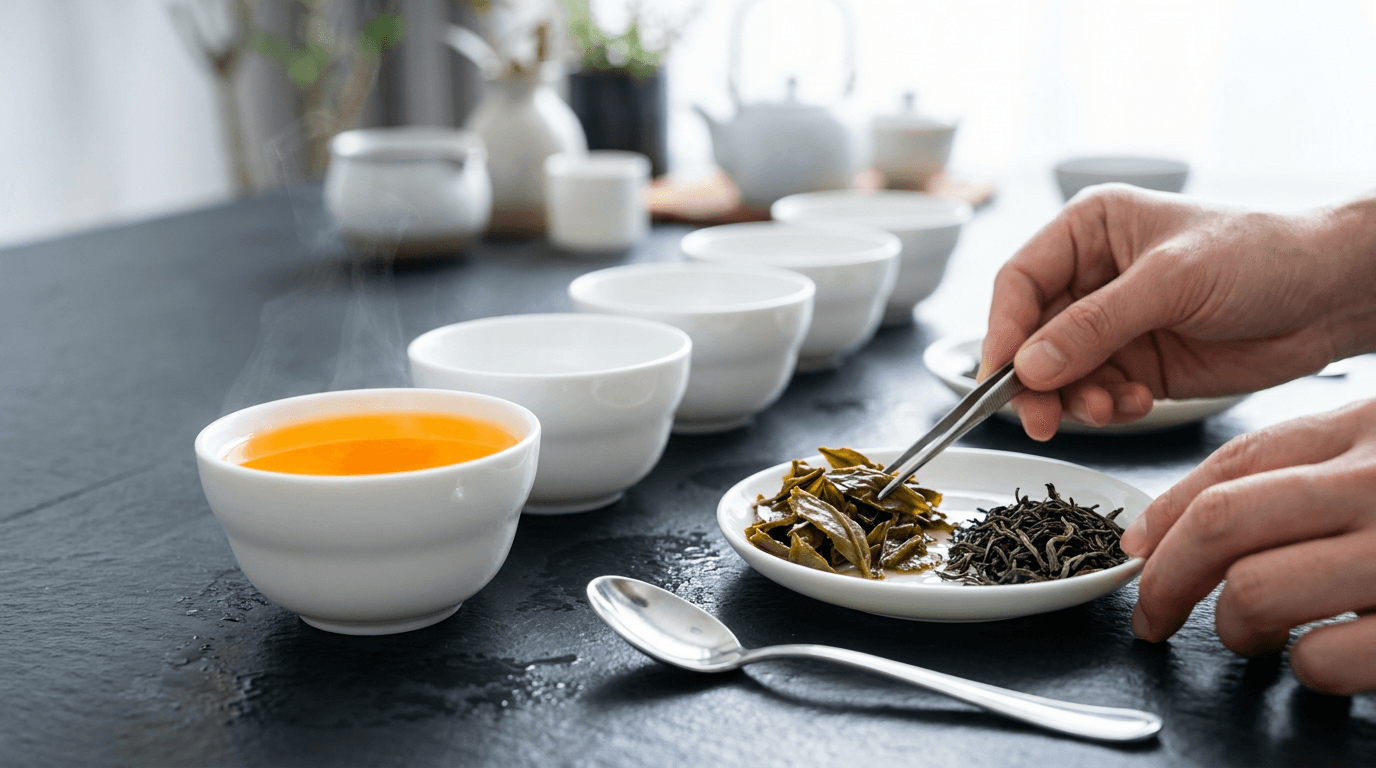
Conduct quality audits every 15 to 30 days by sampling stored bags to confirm stability: Dry Leaf Assessment: Leaves must snap cleanly upon bending, confirming moisture levels remain strictly below 5%. The color should be consistent without grayish or white fungal spots. Extraction Verification: Brew sample leaves using purified water heated to designated temperatures (80°C to 98°C depending on category) at a 1:30 ratio for 10-12 minutes. The liquor must remain clear and vibrant, displaying expected aromatic intensity and balanced astringency with no sour notes or stale mustiness.
Related Posts
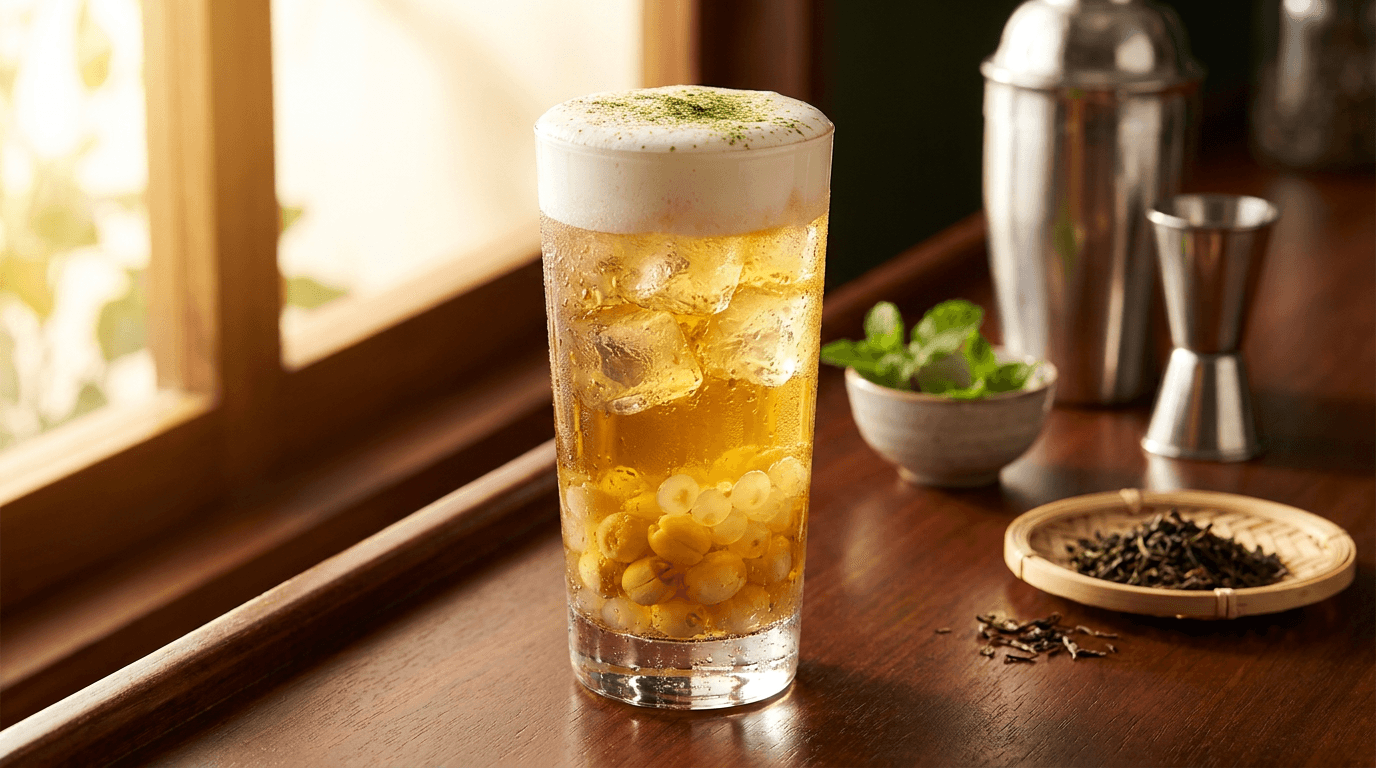
Healthy Low-Sugar Milk Tea Trend: Optimizing Pure Tea Base for F&B
Capture the healthy low-sugar milk tea trend with WECHA's full-bodied pure tea bases, cutting tea cost to $0.08/cup while preserving rich natural aftertaste.
Read More →
Commercial Cold Brew Tea Guide: Recipes & 48H Anti-Clouding Protocol
Master commercial cold brew tea extraction with WECHA protocols: 3-size recipes, 48-hour anti-clouding techniques, and 85% gross margin optimization.