Why Milk Tea Shops Must Serve All 3 Core Teas: Oolong, Green Tea, and Black Tea
1. Core Flavor Pillars Defining Beverage Identity
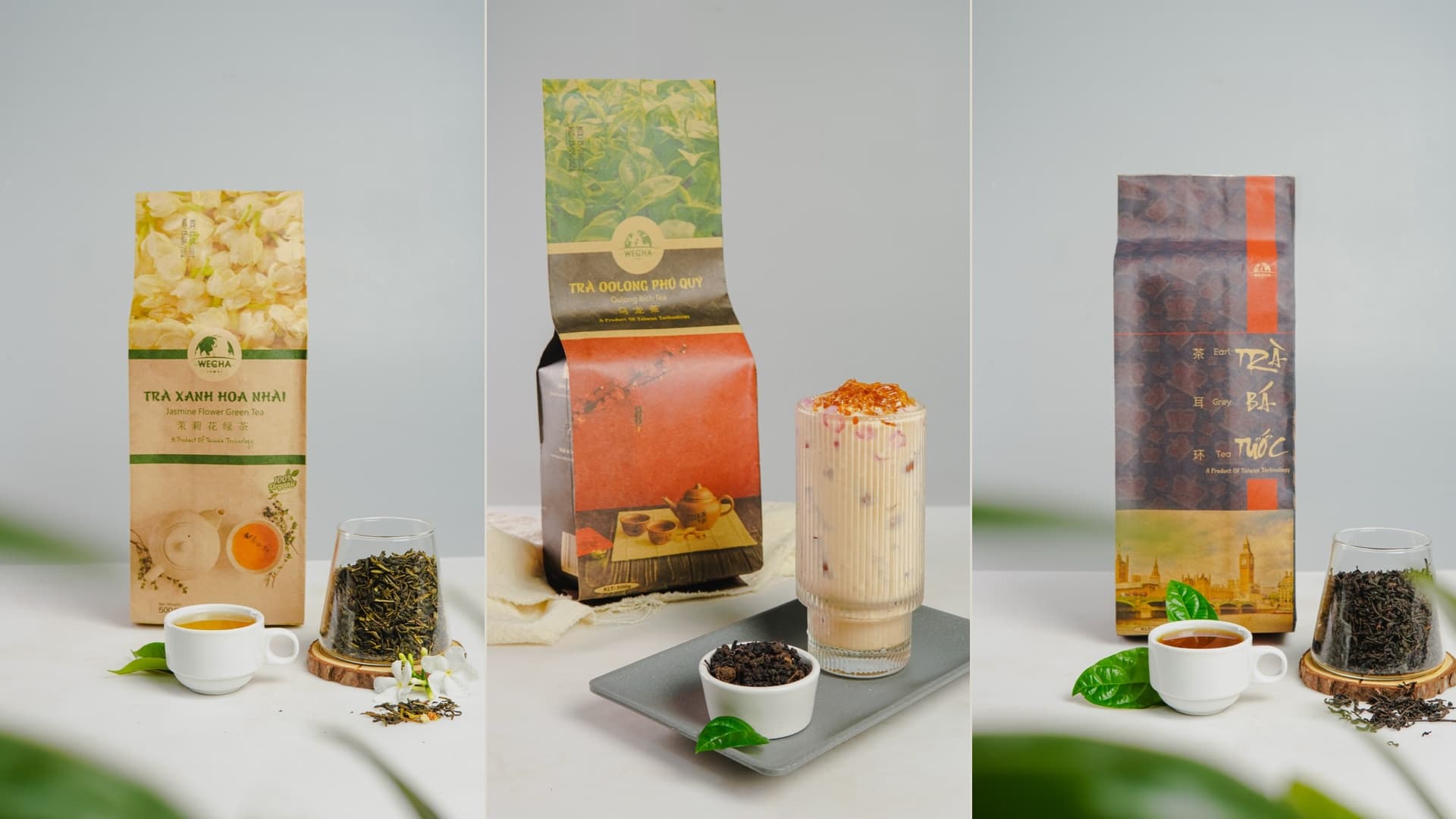
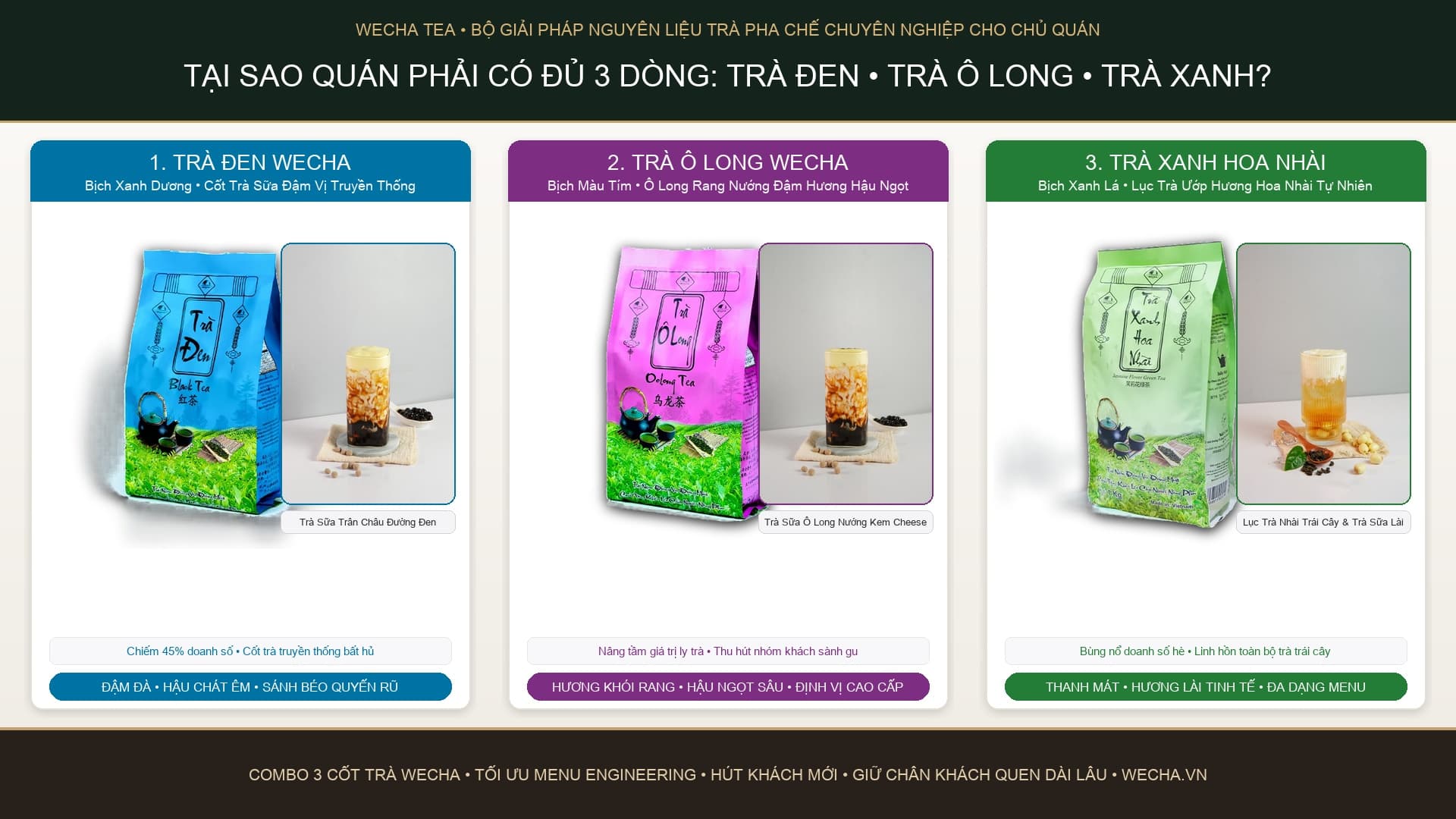
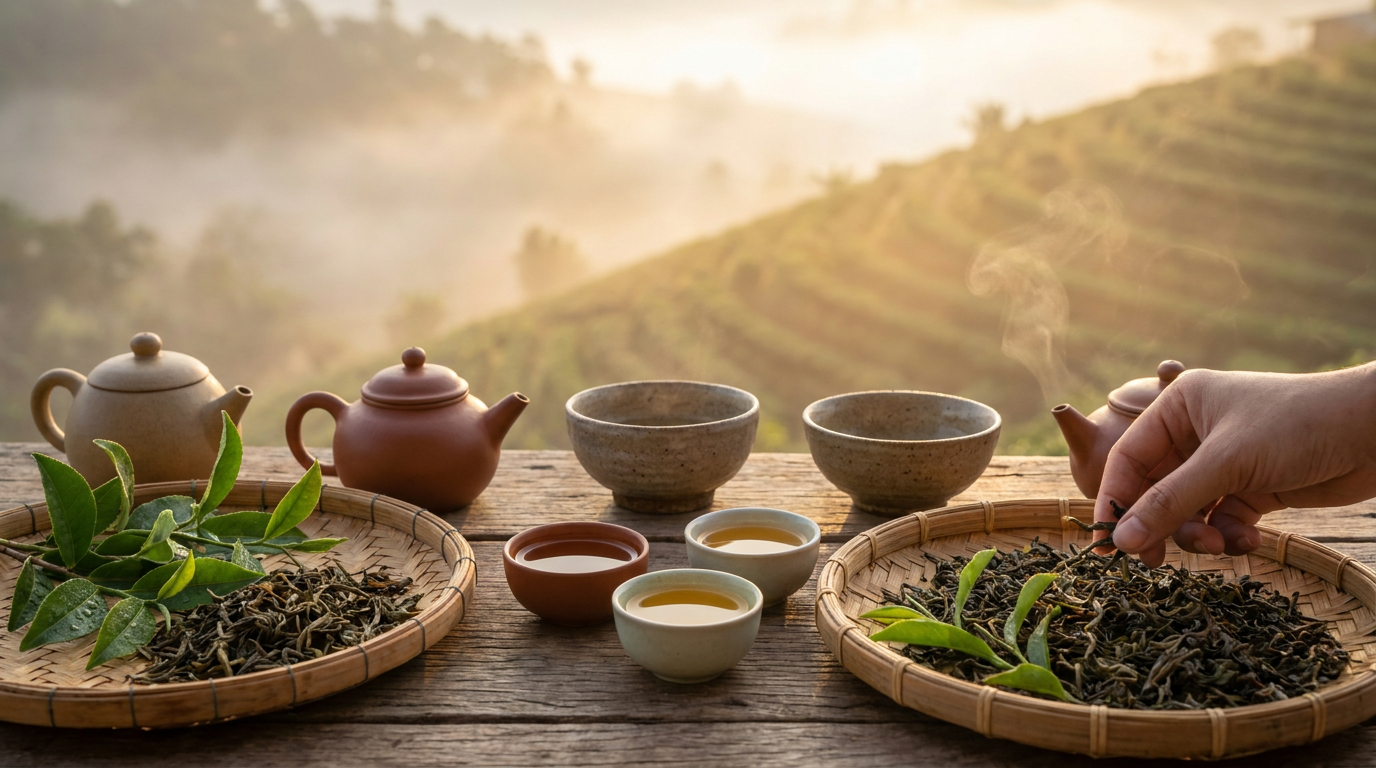
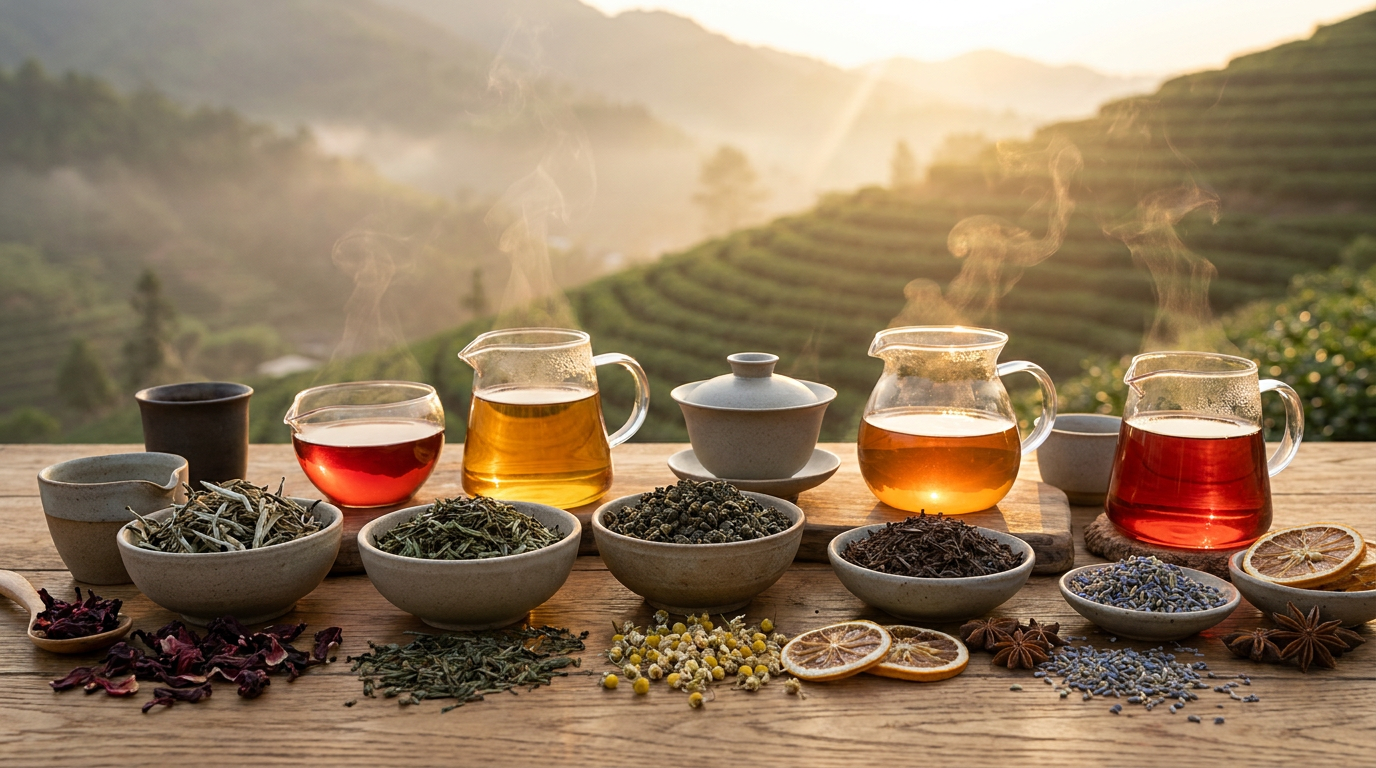
In commercial milk tea operations, three fundamental tea groups—Black Tea, Green Tea (Jasmine), and Oolong Tea—serve as the foundational flavor spectrum. Black Tea undergoes full oxidation, delivering a robust body, smooth astringency, and rich undertones that elevate dairy and cream. Green Tea preserves a fresh, vegetal, or floral profile, making it the supreme canvas for refreshing fruit teas. Meanwhile, semi-oxidized Oolong Tea offers a distinct roasted or nutty aroma, presenting a sophisticated, multi-layered drinking experience. Missing any of these three bases equates to alienating a substantial demographic of your customer base.
2. Technical Brewing Specifications and Extraction Standards
Each tea classification demands precise extraction criteria regarding water temperature and brewing ratio to maximize aromatic theanine and polyphenols while preventing excessive bitterness from tannins. Below are professional extraction standards designed for operational excellence:
Tea CategoryTea-to-Water RatioWater Temperature (°C)Brewing Time (Minutes)Target Beverage ApplicationsGreen Tea (Jasmine)1:30 - 1:3575°C - 80°C7 - 8 minsFruit Teas, Jasmine Milk Tea, Cheese Foam TeasOolong Tea1:25 - 1:3085°C - 90°C10 - 12 minsRoasted Oolong Milk Tea, Oolong Macchiato, Peach OolongBlack Tea1:20 - 1:2595°C - 100°C12 - 15 minsClassic Milk Tea, Brown Sugar Pearl Milk Tea, Lemon Tea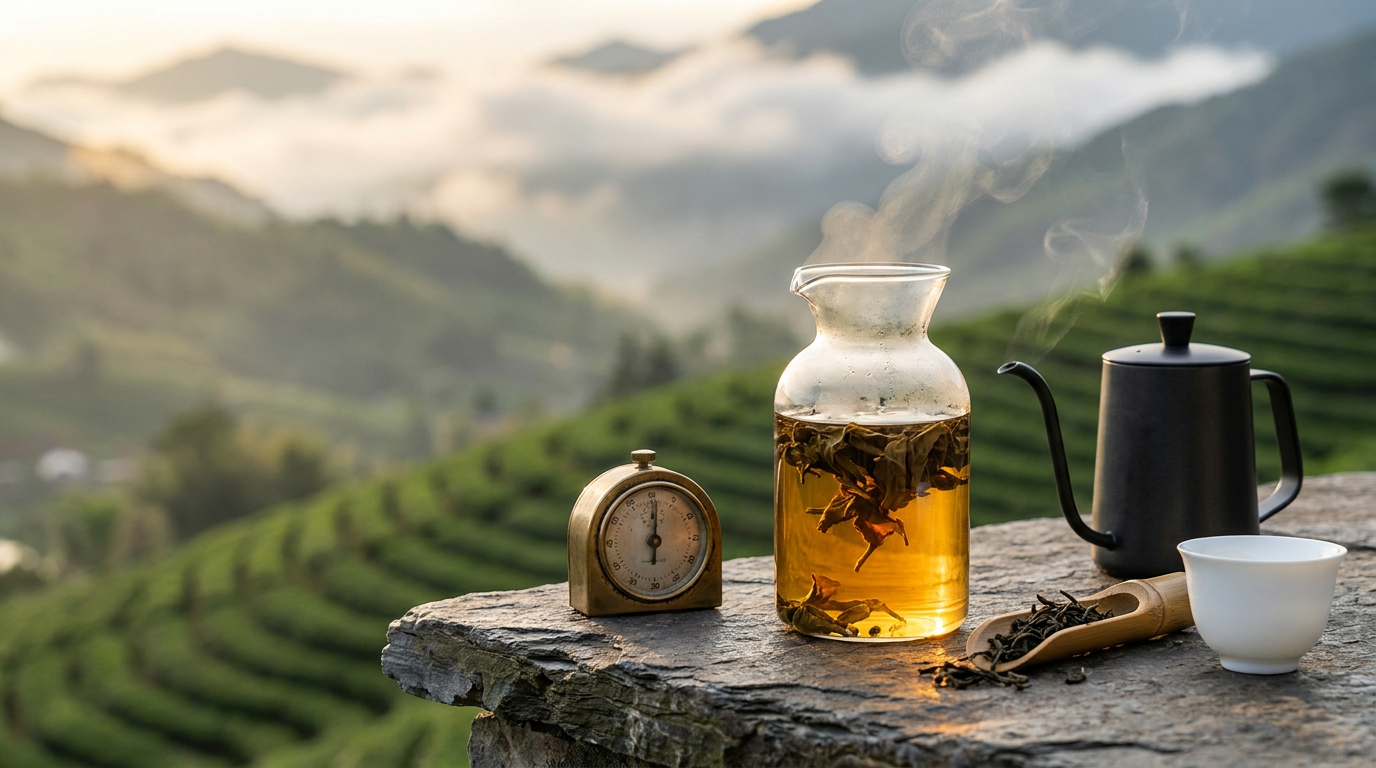
3. Cost Optimization and Strategic Customer Segmentation
Maintaining these three primary bases streamlines operational inventory and protects Cost of Goods Sold (COGS). Rather than stocking dozens of niche bases that risk expiration and inconsistent batching, standardizing on Black, Green, and Oolong allows bulk purchasing and predictable quality management. Demographically, Black Tea caters to those who demand classic bold, creamy richness; Green Tea attracts health-conscious, younger consumers seeking light, refreshing profiles; while Oolong appeals directly to discerning palates craving depth, complexity, and artisanal craftsmanship.
4. Unlimited Menu Scalability and Flavor Innovation
Mastering these three fundamental bases unlocks infinite menu expansion possibilities through creative combinations with fruit purées, fresh milk, and rich foam toppings. Green Tea pairs flawlessly with citrus, passion fruit, and tropical stone fruits; Black Tea serves as the undisputed backbone for classic spiced or caramelized dairy drinks; Oolong fuses harmoniously with whole milk and roasted accents. This dynamic framework enables operators to rapidly adopt seasonal trends while keeping back-of-house bar execution standardized and efficient.
Related Posts
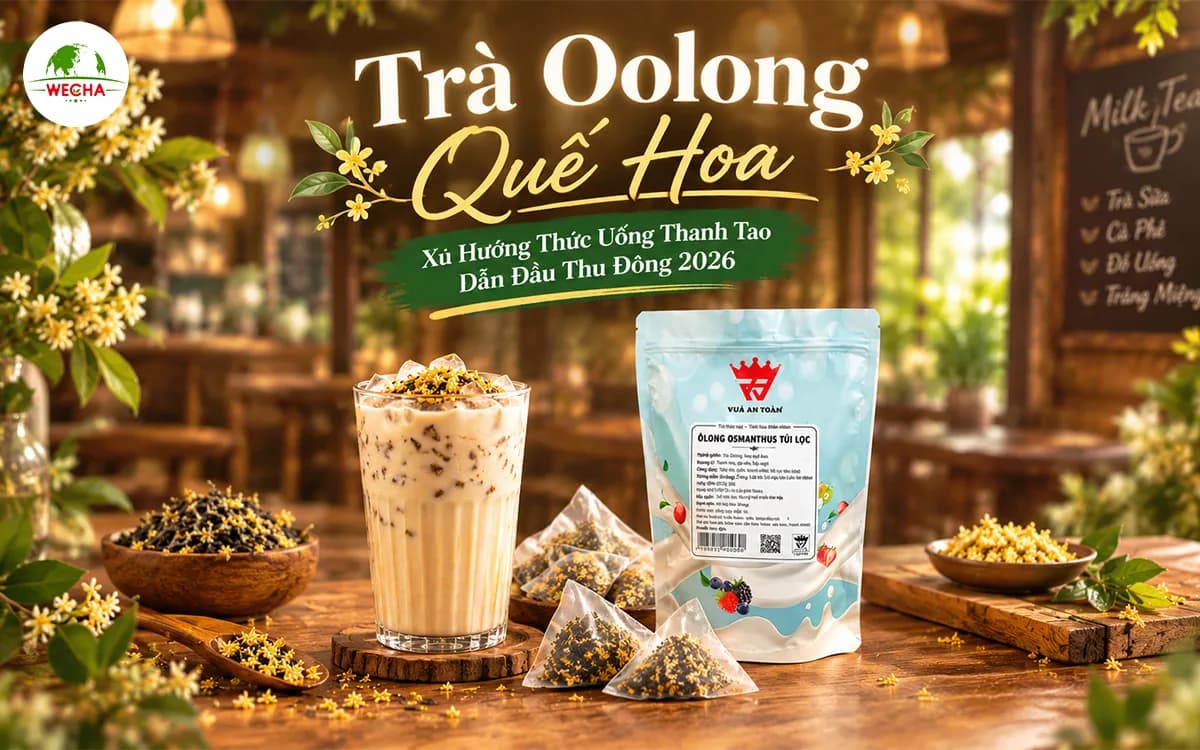
Osmanthus Oolong Tea: The Elegant Beverage Trend Leading Autumn-Winter 2026
Explore Osmanthus Oolong Tea—the leading Autumn-Winter 2026 beverage trend featuring refined floral notes, precise extraction ratios, and commercial menu applications.
Read More →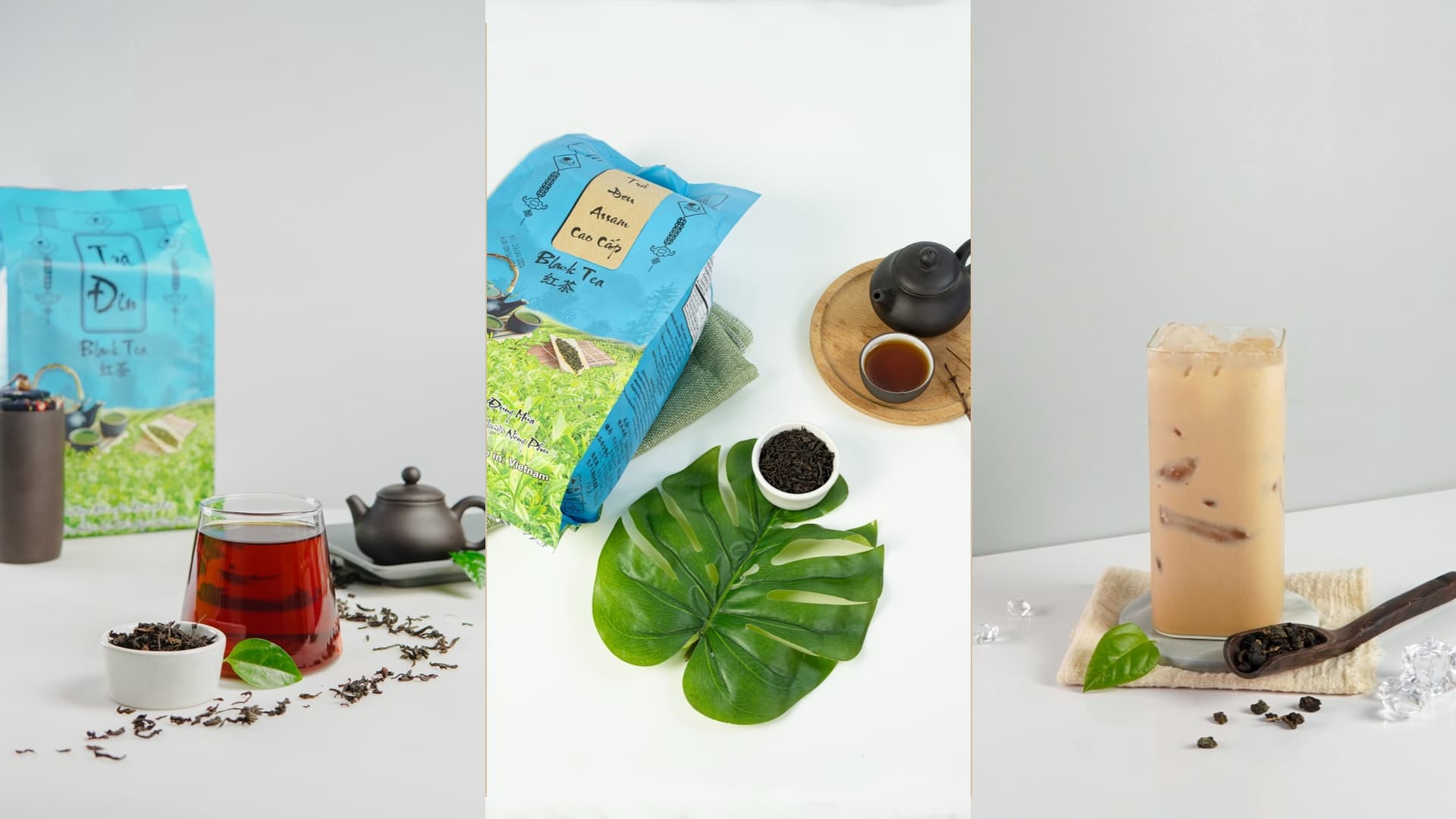
Scientific Techniques for Brewing Black Tea in Commercial Milk Tea: Maximizing Flavor Extraction and Nutritional Balance
A scientific guide to brewing black tea for commercial milk tea: extraction ratios from 1:25 to 1:30, temperatures from 90°C to 96°C, technical parameter tables, and polyphenol stabilization methods.