Wholesale Dried Hibiscus Flower Tea Base for F&B Chains | WECHA
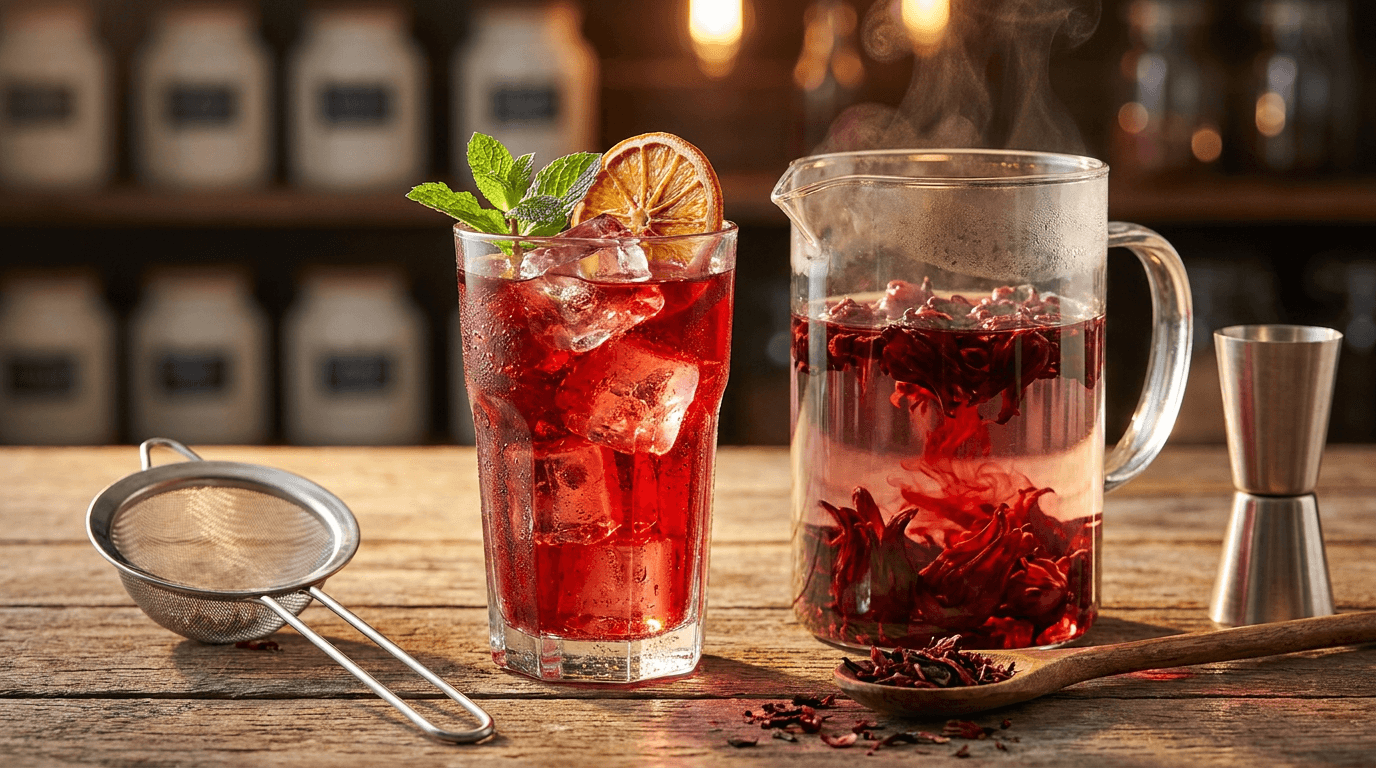
Our factory-direct wholesale dried hibiscus tea base from WECHA tea processing plant (50-ton monthly capacity) delivers an all-natural ruby-red tea base without artificial coloring for F&B chains. With a liquid cost starting from only $0.03 to $0.04 per cup, our high-tech dehydrated hibiscus calyces retain maximum natural anthocyanins and balanced tartness, offering a profitable, refreshing beverage foundation that keeps patrons coming back.
1. Overview of WECHA Hibiscus Tea: Natural Ruby Red Tea Base for F&B Menus
Dried hibiscus flower tea (botanical name: Hibiscus sabdariffa, commonly known as roselle calyx) has become a staple base in modern commercial beverage development. Abundant in organic anthocyanin pigments, hibiscus delivers a spellbinding deep ruby tint paired with clean natural acidity from organic malic, citric, and hibiscus acids.
In standard wholesale ingredient markets, open-air sun-dried roselle calyces often suffer from sand contamination, mold exposure, and crushed fragments that result in muddy, astringent liquor. WECHA standardizes this ingredient category with whole-calyx sorting and closed-loop convective dehydration, securing crystal-clear crimson extraction and pleasant fruity tartness.
Comparing WECHA Machine-Dehydrated Hibiscus vs. Traditional Sun-Dried Calyces
Here is an empirical sensory and technical comparison between WECHA factory-standard hibiscus calyces and conventional sun-dried batches:
| Evaluation Criteria | WECHA Convective Dried Hibiscus | Conventional Sun-Dried Hibiscus |
|---|---|---|
| Calyx Morphology | 85-90% whole calyces, de-stemmed, minimal breakage | High breakage rate, excessive seed residue and dust |
| Liquor Clarity & Color | Vibrant translucent ruby red, zero sedimentation | Turbid brownish-red tone caused by UV photo-oxidation |
| Sensory Profile | Ripe berry notes, crisp tartness, clean sweet aftertaste | Musty aroma, harsh astringency, harsh throat irritation |
| Moisture Content | Under 10% (packed in multi-layer aluminum export foil) | Above 15%, prone to Aspergillus and mold contamination |
2. Why Does WECHA Hibiscus Tea Retain Customers for F&B Chains?
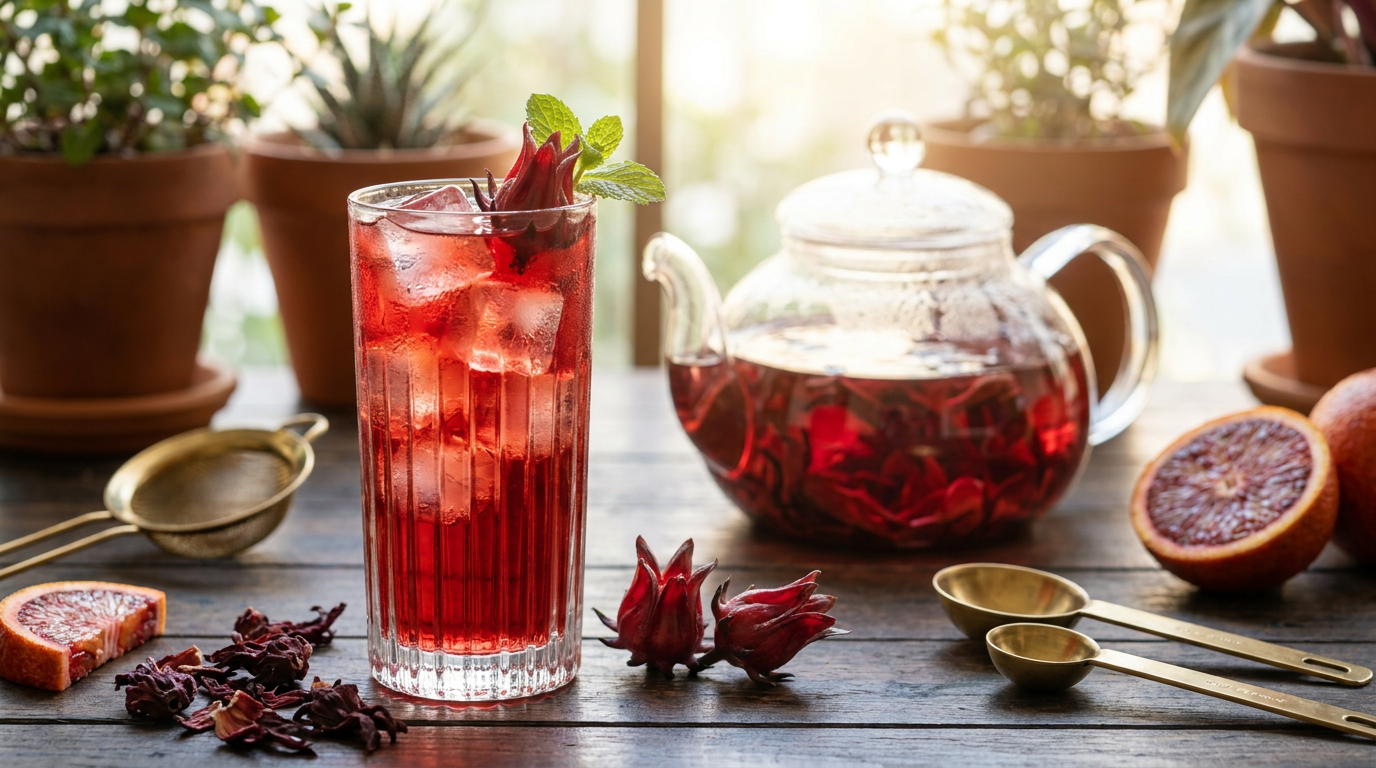
WECHA dried hibiscus tea attracts and retains beverage customers because it provides 100% natural ruby-red anthocyanin coloration alongside a bright, palate-cleansing tartness that instantly refreshes the palate without relying on synthetic food colorings or additives.
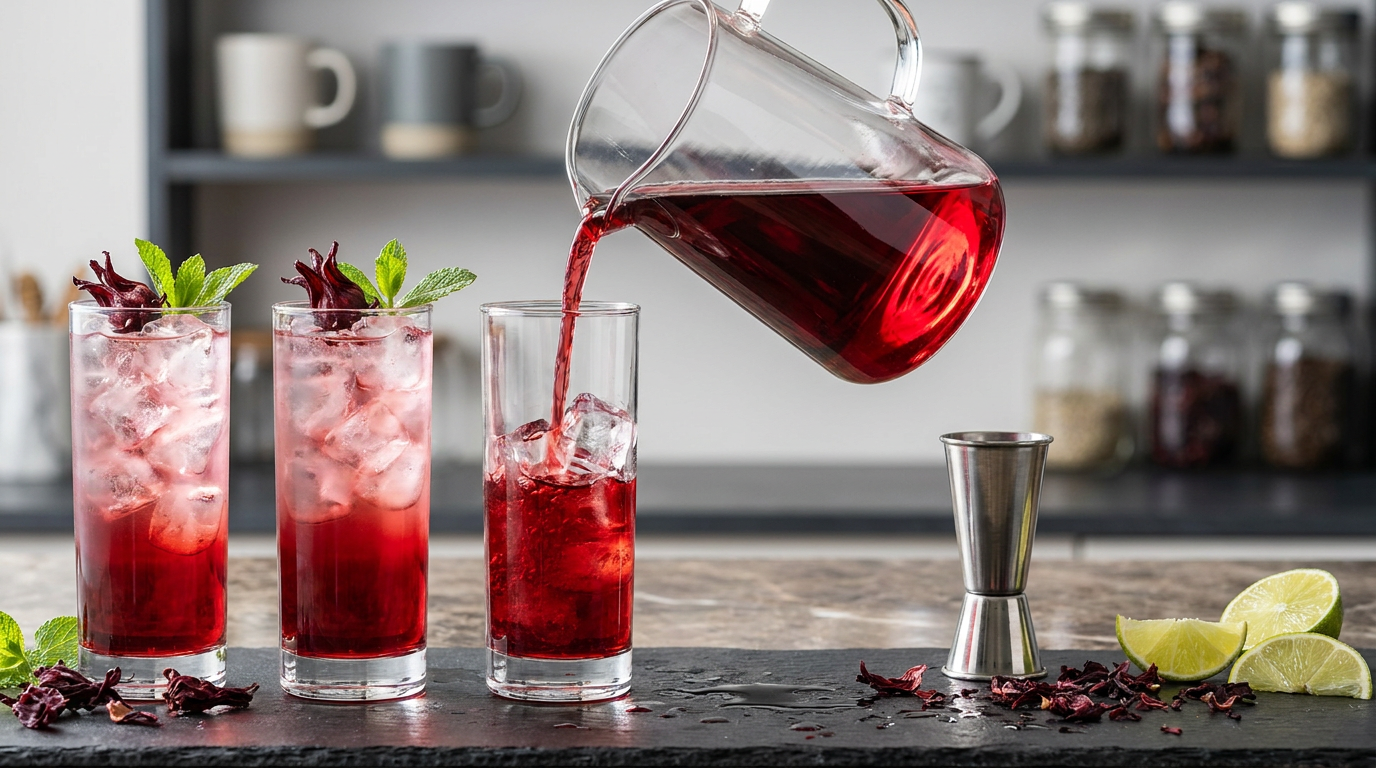
When customers sip an iced hibiscus fruit tea, they immediately experience an invigorating crisp tartness, followed by aromatic undertones reminiscent of dried cranberries and raspberries, culminating in a delicate sweet finish. This completely prevents the palate fatigue commonly experienced with sugary syrup-heavy fruit teas.
Visual Powerhouse for Multi-Layered Signature Drinks
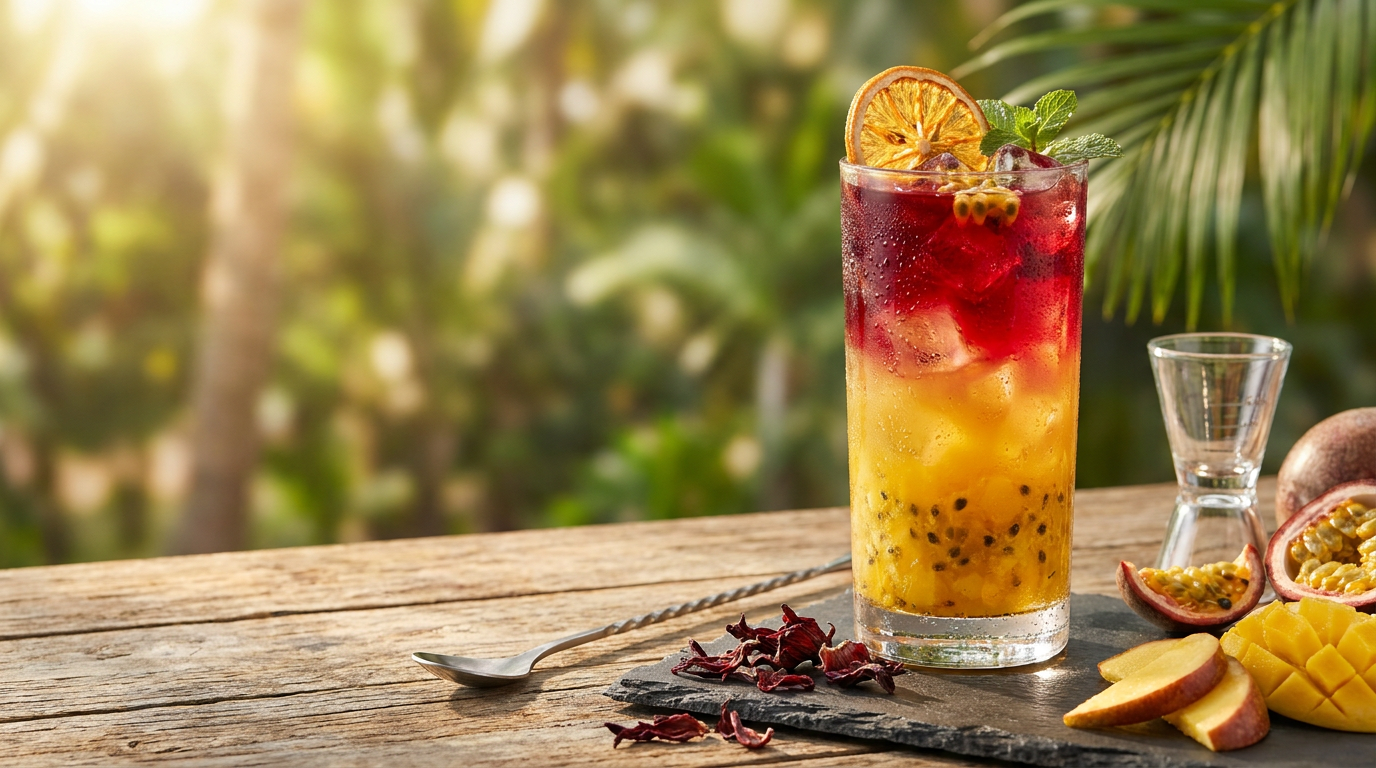
The luminous transparency of WECHA hibiscus tea functions as an ideal visual gradient. When paired with tropical syrups, freshly squeezed citrus juices, or delicate green tea bases, baristas can seamlessly build striking two-tone or three-tone layered drinks (ruby-red over sunshine-yellow), boosting social media photography and customer-driven engagement.
Broadened Audience Appeal: Naturally 100% Caffeine-Free
Unlike regular Camellia sinensis tea bases such as Shan Tuyet ancient tea or conventional black teas, roselle hibiscus is inherently 100% caffeine-free. This characteristic empowers beverage operations to capture evening consumers, pregnant women, and children seeking flavorful refresher beverages without sleep-disrupting stimulation.
3. What Are the Agricultural Standards and Dehydration Process for Factory-Direct WECHA Hibiscus?
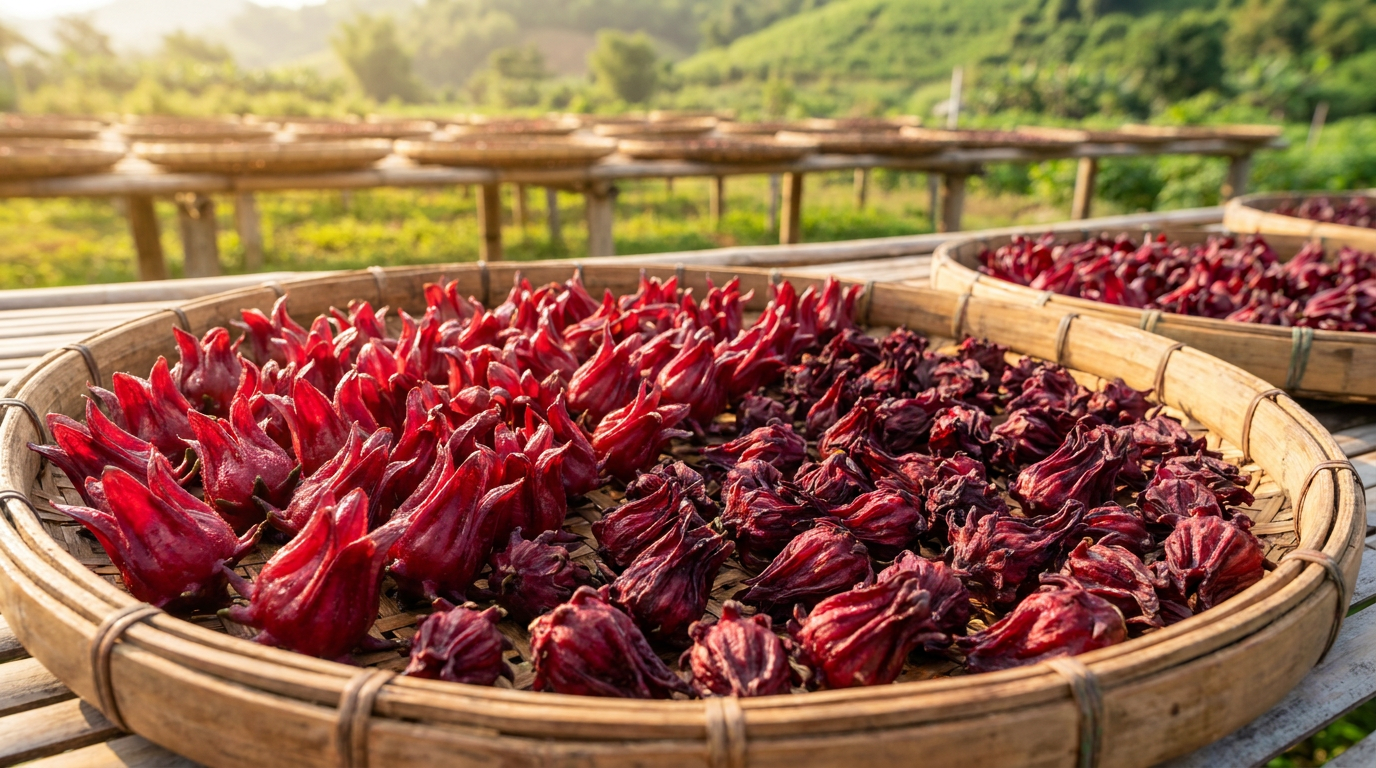
The manufacturing process of WECHA factory-grade hibiscus calyces combines GAP-oriented regional cultivation with multi-stage, low-temperature convective dehydration (45°C - 55°C), successfully preserving up to 98% of natural anthocyanins and organic fruit acids without thermal degradation.
Fresh roselle calyces are hand-picked at dawn after dew evaporates, selecting plump, fleshy sepals. Immediately following mechanical seed core separation, the calyces enter an ozone bubble washer to eradicate surface particulate residues prior to entering drying chambers.
Proprietary Dehydration Temperature Management
Drying temperature is the critical determinant of liquor brilliance and clarity. Exceeding 65°C rapidly degrades anthocyanin flavonoids into dull brown pigments. WECHA deploys low-humidity air circulation at a strictly regulated 50°C for 18 to 20 hours, driving final moisture below 8% while safeguarding vibrant natural coloration.
Pro Tip from WECHA R&D Specialist: To assess hibiscus quality, drop two dried calyces into a glass of ambient room-temperature water. If bright, crimson ribbons unfurl smoothly within 30 seconds into clear water, the calyx was dehydrated at ideal temperatures. If the water instantly turns murky dark red or muddy brown, the product has suffered heat damage or contains adulterants.
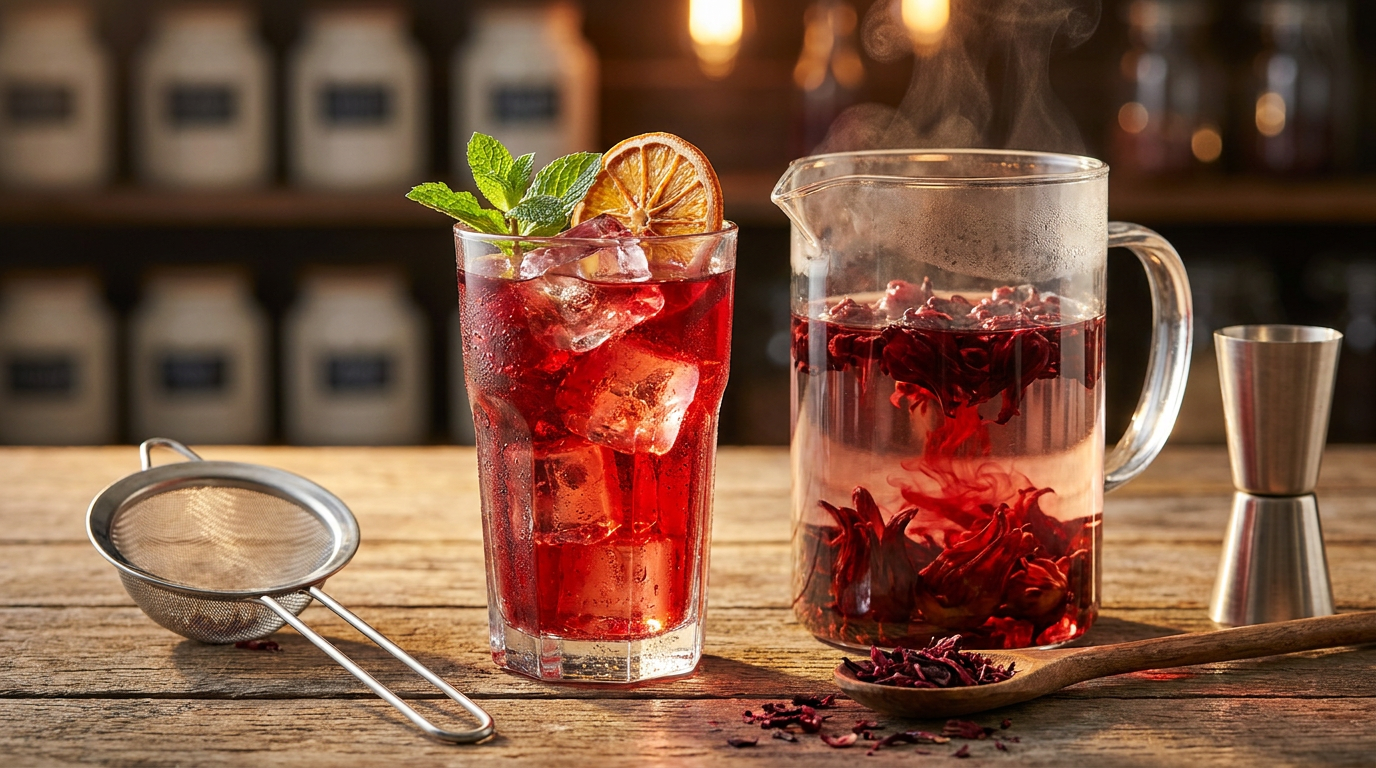
4. Technical Brewing Guide for Rich Ruby Hibiscus Tea Base
To extract optimal aromatic clarity and vivid ruby brilliance from WECHA hibiscus tea calyces, baristas should adhere strictly to water temperature and steeping duration parameters. Boiling water at 100°C scorches organic acids, resulting in harsh astringency and cloudy liquor.
Commercial Extraction Parameters for WECHA Hibiscus Tea Base
The following standardized extraction recipe has been refined by WECHA R&D laboratories for commercial bar operations:
| Extraction Parameter | WECHA Standard Specification | Operational Bar Note |
|---|---|---|
| Dry Calyx Dose | 40g WECHA Dried Hibiscus Calyces | Weigh precisely using a digital gram scale |
| Purified Water Volume | 1,500ml filtered water | 1:37.5 ratio for full-bodied, high-yield base |
| Water Brewing Temperature | 90°C (avoid 100°C rolling boil) | Preserves bright anthocyanins, prevents scorch |
| Steeping Time | 10 minutes (covered brewer) | Do not exceed 15 mins to avoid bitter tannins |
| Net Liquid Yield | Approx. 1,400ml ruby tea base | Strain through fine mesh, shock-cool over ice |
| Cold Holding Shelf Life | 48 hours under refrigeration (2°C - 5°C) | Store in airtight glass or food-grade dispensers |
5. Practical Commercial Tropical Hibiscus Fruit Tea Recipes
To turn this tea into a top-selling signature drink, pairing WECHA Hibiscus Base with quality syrups from our wholesale bubble tea ingredients lineup yields tremendous depth. Here is the scaled formulation for Tropical Orange Pineapple Hibiscus Tea across three standard cup sizes:
| Ingredient Component | Size S (350ml) | Size M (500ml) | Size L (700ml) | Functional Role |
|---|---|---|---|---|
| WECHA Hibiscus Tea Base | 80ml | 100ml | 140ml | Natural ruby hue, crisp foundational tartness |
| Safe King Pineapple Jam/Syrup | 20ml | 25ml | 35ml | Rich tropical aroma, body viscosity |
| Fresh Orange Juice | 15ml | 20ml | 30ml | Fresh citric acid balance and citrus peel notes |
| Liquid Cane Sugar (67 Brix) | 15ml | 20ml | 25ml | Deepens sweetness, rounds off sharp acidity |
| Solid Clean Ice Cubes | 180g | 220g | 300g | Rapid chilling, crisp refreshing mouthfeel |
Barista Layering Technique
- Step 1: Combine pineapple syrup, fresh orange juice, cane sugar, and 50ml cold water in a shaker; stir well and add a scoop of ice to create an amber-gold base layer.
- Step 2: Fill the glass completely with ice cubes to create a solid surface barrier for physical separation.
- Step 3: Slowly pour chilled WECHA Hibiscus Tea Base directly over the ice surface. The deep red liquid floats atop the amber base, forming an eye-catching contrast.
- Step 4: Garnish with a dehydrated orange wheel or fresh rosemary sprig to complete the craft presentation.
6. Economic Analysis: Optimizing Cost Per Cup with WECHA Hibiscus Base
A primary driver for regional beverage operators and WECHA bubble tea franchise franchisees to favor our hibiscus base is its remarkable margin structure. Direct factory manufacturing guarantees rock-bottom raw material acquisition costs.
Detailed Cost Per Cup (Food Cost) Breakdown
| Cost Item (Size M 500ml) | Portion / Cup | Reference Unit Cost | Total Cost (USD / VND) |
|---|---|---|---|
| WECHA Hibiscus Tea Base | 100ml liquid (2.8g dry calyx) | ~$10.00 / kg dry calyces | $0.028 (700 VND) |
| Fruit Jam & Fruit Syrup | 25ml | ~$4.80 / 1,000ml bottle | $0.120 (3,000 VND) |
| Fresh Orange & Liquid Sugar | 20ml juice + 20ml sugar | Local market rate | $0.048 (1,200 VND) |
| Packaging (Cup, lid, straw, sleeve) | 1 complete set | Bulk procurement pricing | $0.072 (1,800 VND) |
| TOTAL FOOD COST PER CUP | 1 Cup Ruby Fruit Tea | Optimized Extraction | $0.268 (6,700 VND) |
| Suggested Retail Menu Price | Contemporary cafe segment | Average market tier | $1.40 - $1.70 (35k-42k) |
| Gross Profit Margin | Drink gross profit margin | Exceeds standard F&B threshold | 80.8% - 84.0% |
With gross margins exceeding 80%, hibiscus fruit teas serve as high-margin hero drinks, offsetting real estate overhead and dairy-heavy milk tea costs. Exploring our roselle lineup also enriches seasonal menus alongside core commodities like wholesale ancient tea bases and scented greens.
7. Register for F&B Sample Kit & Download WECHA 2026 Wholesale Price List (.PDF)
WECHA is committed to partnering with cafe chains, tea shops, and wholesale distributors globally, providing transparent factory pricing, steady annual supply, and turn-key beverage formulation support.
Experience the superior ruby brilliance and clean acidity of WECHA dried hibiscus firsthand by taking advantage of our offer to register for a complimentary tea sample kit. Our R&D team is ready to ship evaluation samples directly to your bar for immediate bench testing.
Related Posts
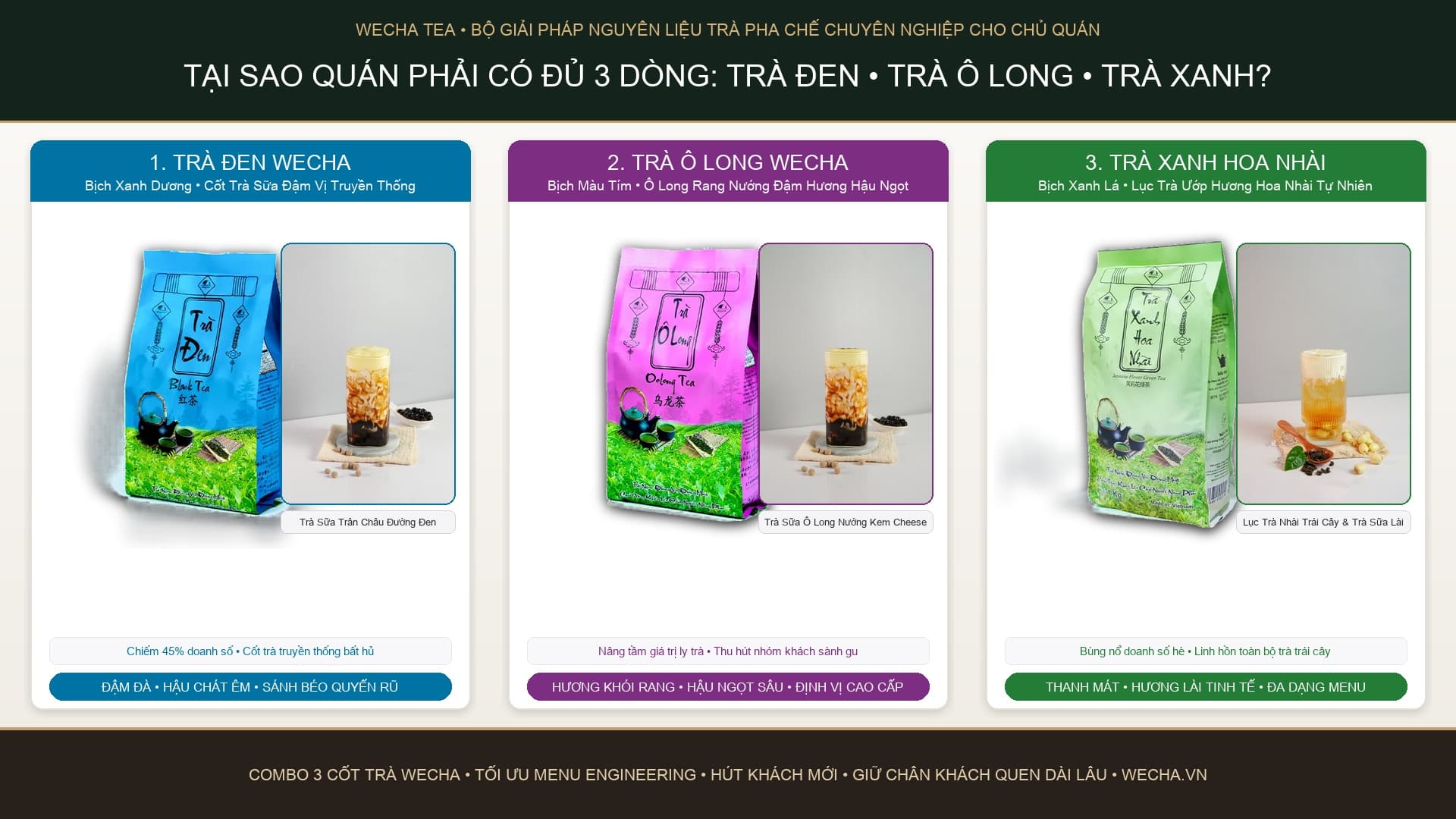
Why Milk Tea Shops Must Serve All 3 Core Teas: Oolong, Green Tea, and Black Tea
Discover why Black, Green, and Oolong teas form the indispensable foundation for any successful milk tea shop, complete with standard brewing temperatures and extraction ratios.
Read More →
Hot Osmanthus Oolong Tea Commercial Recipe for Cold Season Menus
Master the commercial hot osmanthus oolong tea recipe for winter menus. Optimize base tea cost from 2,100 VND/cup with elegant floral aromatics.
Read More →