
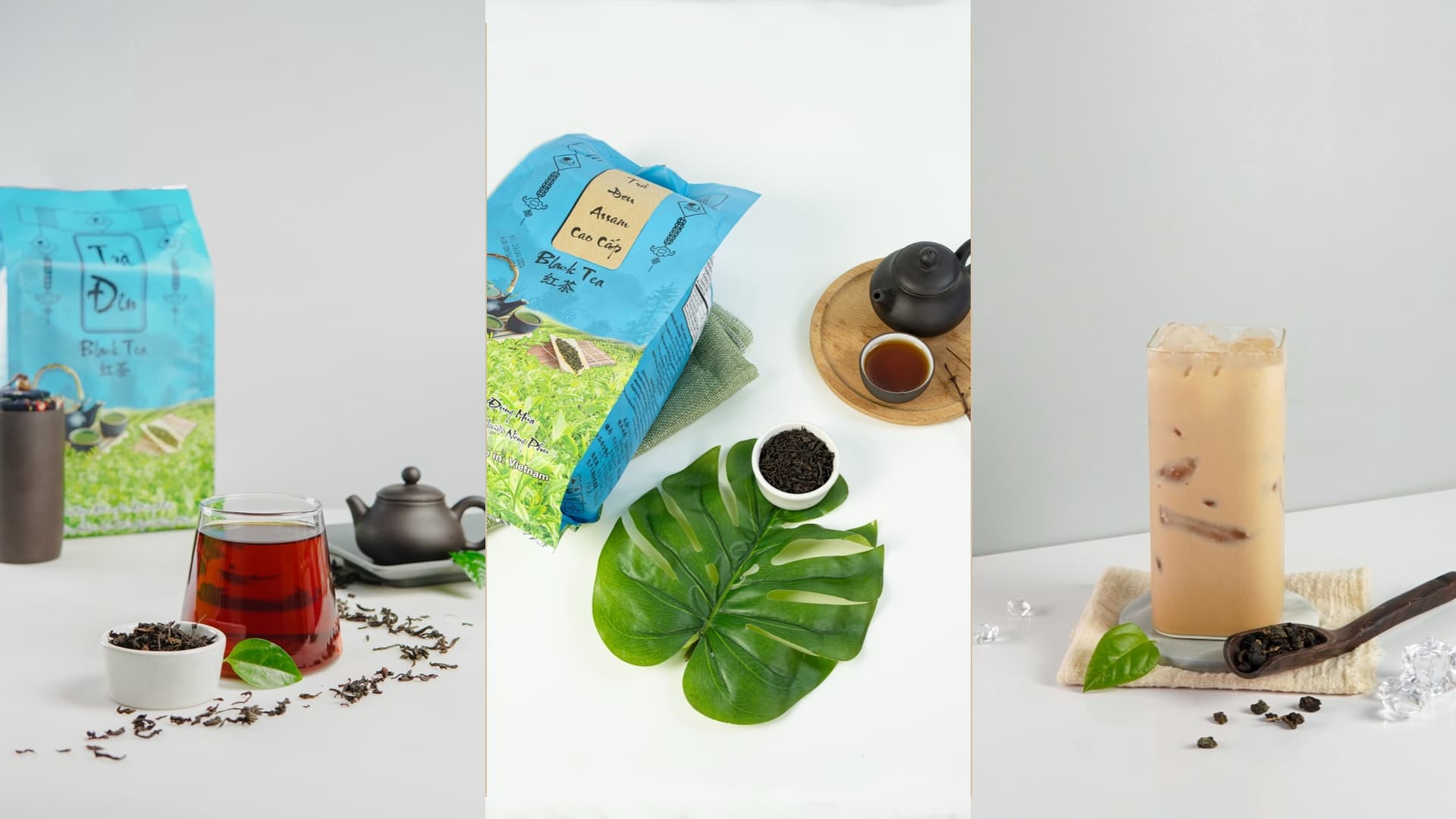
Scientific Techniques for Brewing Black Tea in Commercial Milk Tea: Maximizing Flavor Extraction and Nutritional Balance
1. The Science of Black Tea Extraction: Water Temperature and Golden Brewing Ratios
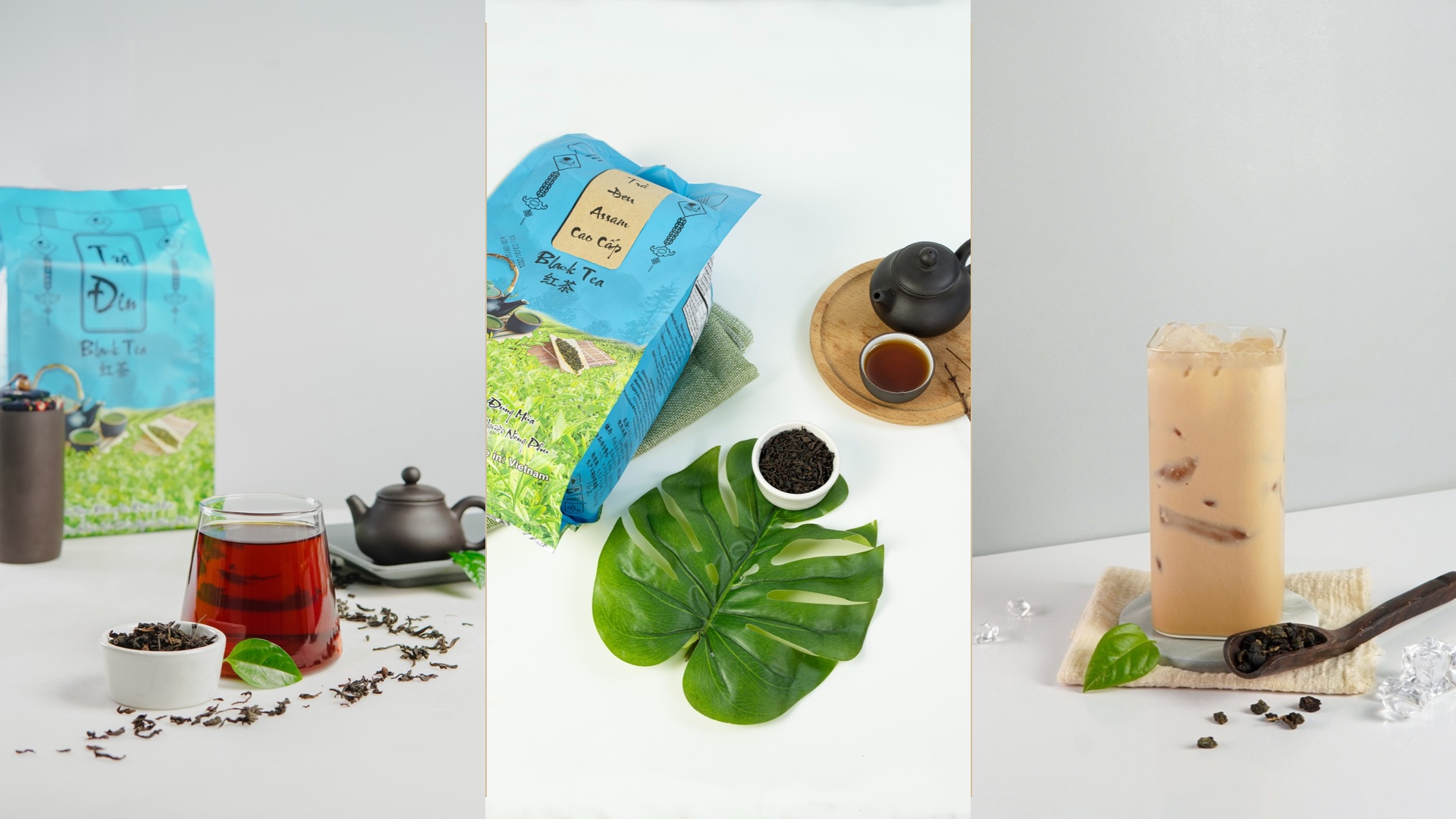
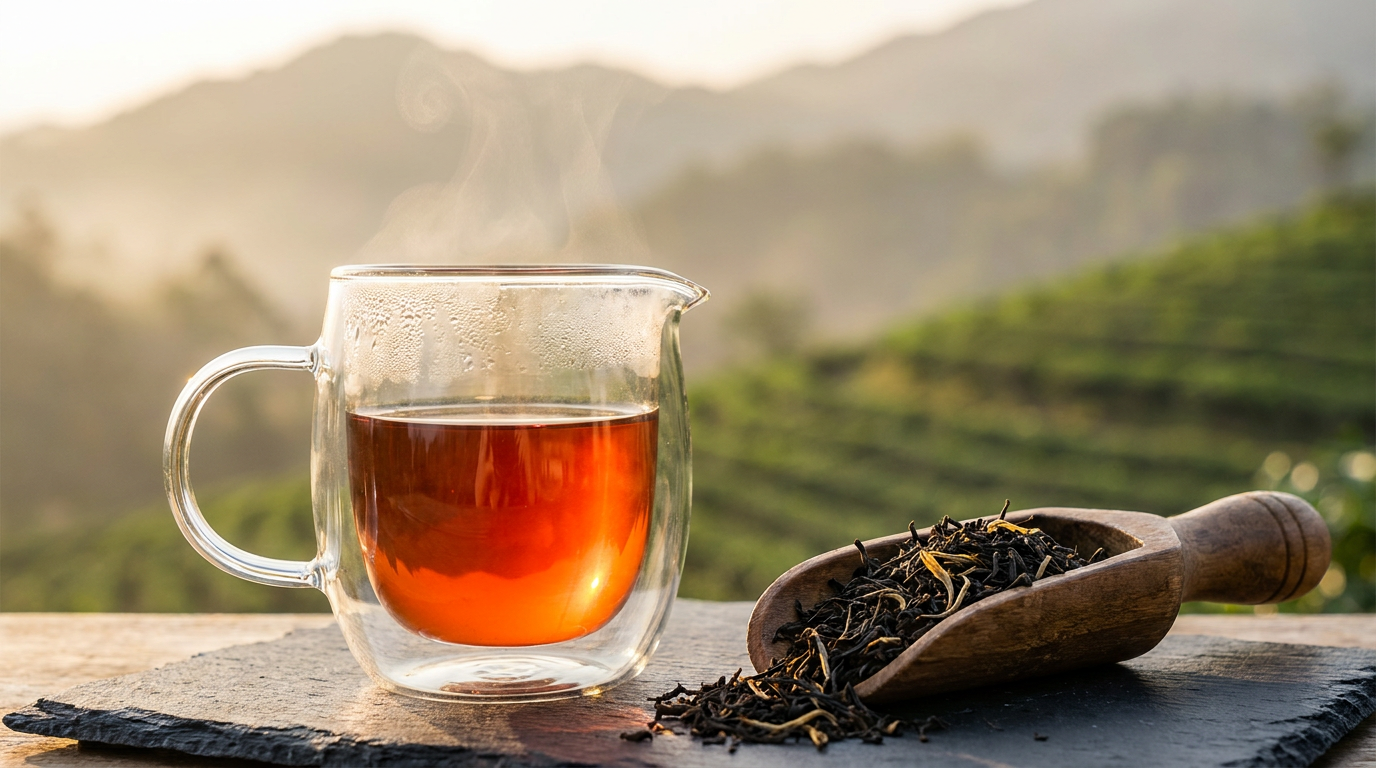
Black tea undergoes full oxidation (100%), yielding rich levels of theaflavins and thearubigins that create its signature deep amber tone and smooth, brisk astringency. To achieve balanced extraction without scorching the leaves or extracting excessive harsh tannins, the brewing water temperature must be maintained strictly between 90°C and 96°C. Commercial milk tea applications require a much higher extraction density than standard service, leaning toward a golden ratio of 1:25 to 1:30 (1g of dry leaf to 25ml - 30ml of water). This high-solids concentration ensures the tea base retains its robust body and aromatic profile even after the addition of milk and ice dilution, perfectly complemented by Wecha premium black tea products for milk tea shops.
2. Technical Extraction Parameters for Commercial Black Tea Milk Tea
Below are standardized extraction parameters designed for the primary black tea varieties utilized in commercial milk tea operations:
1. Assam CTC Black Tea (Wecha)
- • Water Temperature: 95°C - 96°C
- • Tea : Water Ratio: 1:25
- • Steeping Time: 10 - 12 mins
- • Target Sensory Profile: Malty, full-bodied, brisk tannin, rich lingering sweet finish
2. Ceylon Broken Orange Pekoe (BOP)
- • Water Temperature: 92°C - 94°C
- • Tea : Water Ratio: 1:28
- • Steeping Time: 8 - 10 mins
- • Target Sensory Profile: Citrus-floral notes, crisp acidity, bright ruby infusion
3. Earl Grey Black Tea (Wecha)
- • Water Temperature: 90°C - 92°C
- • Tea : Water Ratio: 1:30
- • Steeping Time: 7 - 9 mins
- • Target Sensory Profile: Aromatic Bergamot essence, delicate astringency
4. Northwest Ancient Tree Black Tea
- • Water Temperature: 93°C - 95°C
- • Tea : Water Ratio: 1:25
- • Steeping Time: 12 - 15 mins
- • Target Sensory Profile: Woody undertones, natural floral nectar aroma, velvety body
3. Scientific Emulsification and Sweetener Pairing Techniques
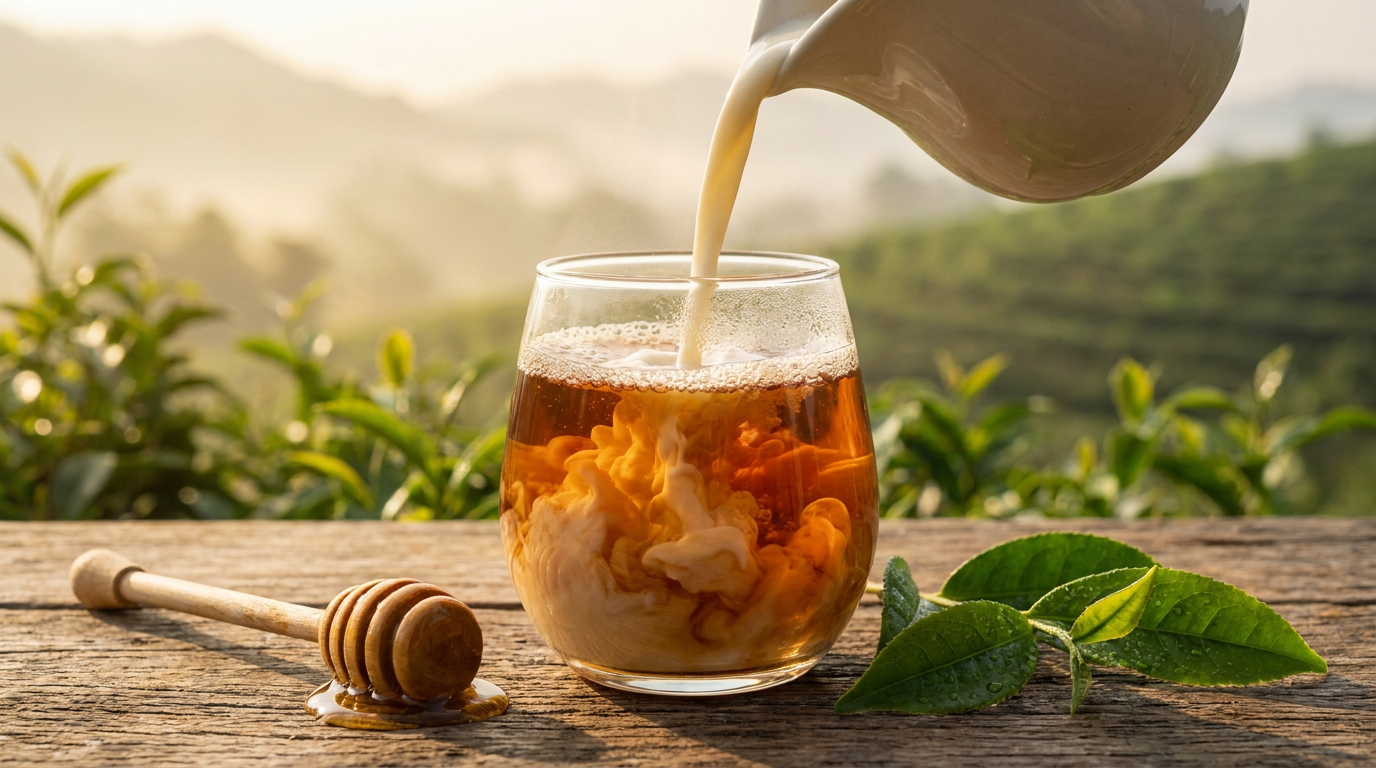
Upon completing the steep cycle, immediate separation of spent leaves using fine micro-mesh filters is critical to prevent over-extraction. Emulsification with milk products or non-dairy creamers should occur when the base tea liquor is at approximately 60°C to 65°C. At this thermal window, milk lipids effectively bind with theaflavins, neutralizing abrasive bitterness and yielding a velvety mouthfeel. For sweetness balancing, commercial shops should utilize standardized cane sugar syrup (65° Brix) or liquid fructose. Natural unpasteurized sweeteners such as honey should be strictly avoided, as active enzymes and strong floral acids can denature milk proteins and mask the delicate aromatics of black tea.
4. Base Tea Preservation and Polyphenol Nutrition Optimization
Polyphenols and catechins in black tea are prone to rapid oxidative degradation when exposed to ambient air. Leaving brewed tea at room temperature beyond 4 hours induces "tea creaming"—a natural precipitation between caffeine and polyphenols that causes turbidity and sour-bitter off-notes. The optimal commercial protocol involves rapid cooling via an ice bath to below 15°C, followed by transfer into insulated stainless containers kept at 4°C - 6°C. This rapid stabilization preserves functional bio-antioxidants for nutritional value while maintaining clean flavor consistency across high-volume daily shifts. Operators are welcome to contact Wecha for commercial black tea samples and formulation guides.
Related Posts

Osmanthus Oolong Tea: The Elegant Beverage Trend Leading Autumn-Winter 2026
Explore Osmanthus Oolong Tea—the leading Autumn-Winter 2026 beverage trend featuring refined floral notes, precise extraction ratios, and commercial menu applications.
Read More →
Top 4 Best-Selling Bold Teas for Milk Tea Shops: The Revenue Breakthrough Secret with Wecha
Discover Wecha's top 4 best-selling bold teas that empower bubble tea shops to craft distinctive profiles, long-lasting aftertastes, and optimized drink costs.