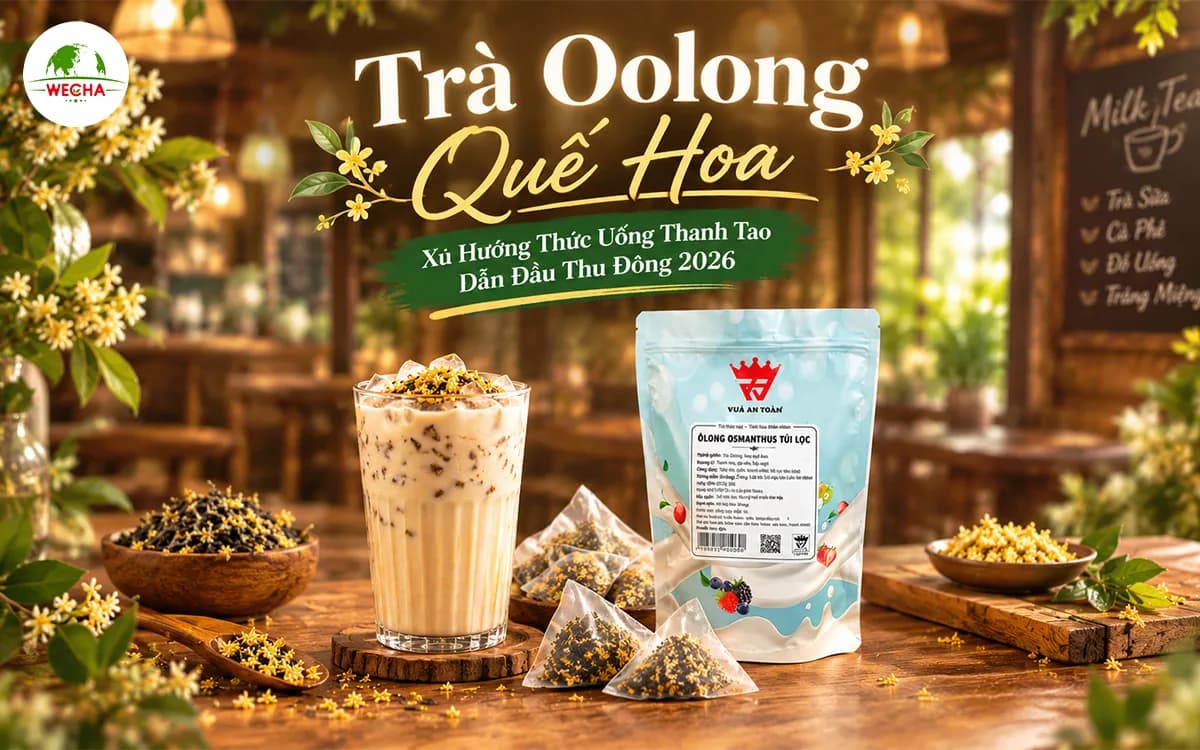
Osmanthus Oolong Tea: The Elegant Beverage Trend Leading Autumn-Winter 2026
1. The Rise of Osmanthus Oolong Tea in Autumn-Winter 2026
As the Autumn-Winter 2026 season approaches, the modern beverage landscape shows a decisive shift toward natural harmony and poetic tradition. Osmanthus Oolong Tea has emerged as a premier beverage concept, epitomizing an understated yet deeply refined lifestyle. The union of rich, roasted semi-fermented oolong leaves and golden sweet osmanthus blossoms evokes subtle notes of ripe apricot and warm floral undertones, delivering a comforting sensory journey ideal for cooler weather.
2. Flavor Profile and Refined Scenting Craftsmanship
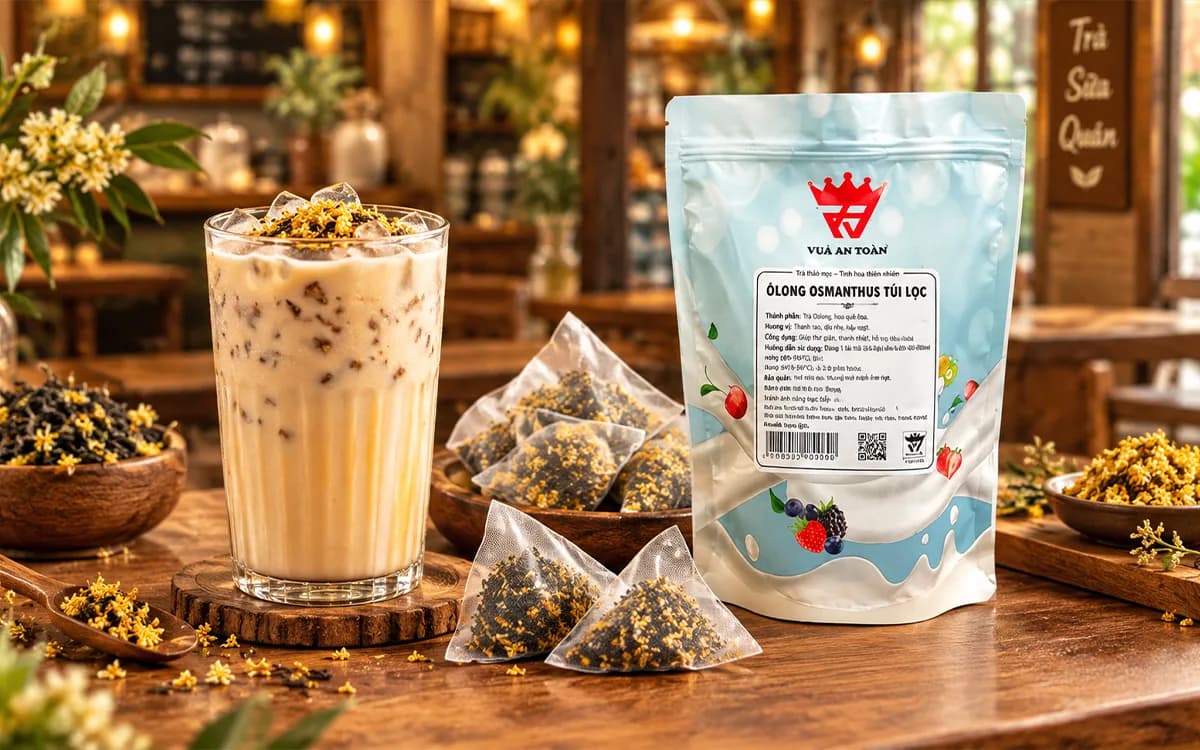
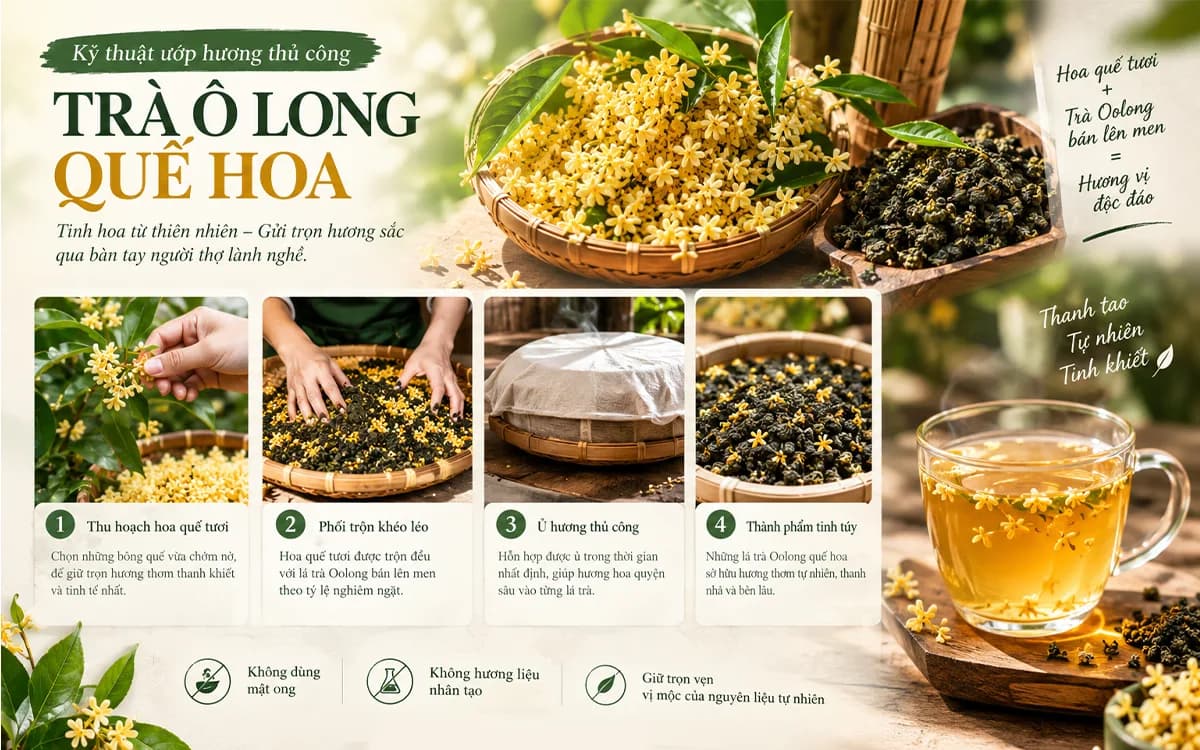
The distinction of this tea lies in the sophisticated scenting technique. Freshly bloomed osmanthus petals are carefully blended with selected high-mountain oolong leaves under controlled humidity and temperature. Upon brewing, the liquor presents an intoxicating top note of sweet floral nectar, followed by a mellow astringency, and culminates in a long-lasting mineral sweetness. The integrity of the blend is preserved without honey or artificial flavoring, letting the pure character of the botanicals shine through.
3. Wecha Professional Brewing Specifications
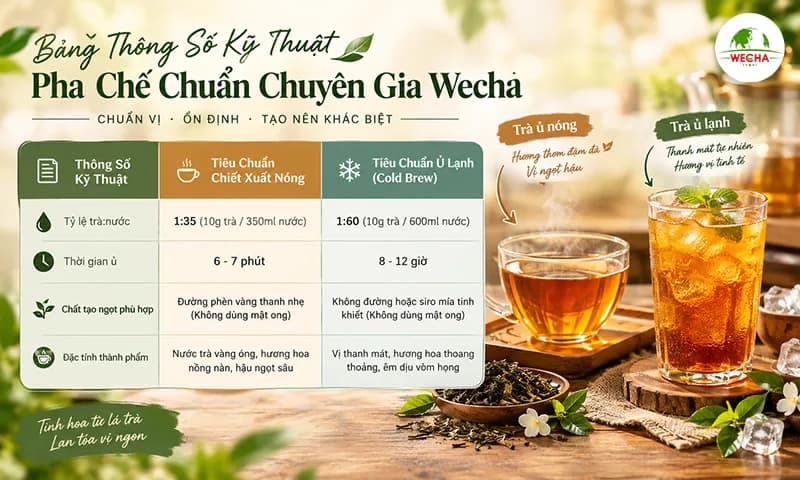
To fully release the delicate aromatic compounds and body of Osmanthus Oolong, baristas and operators should maintain strict extraction parameters:
4. Versatile Menu Applications and Commercial Potential
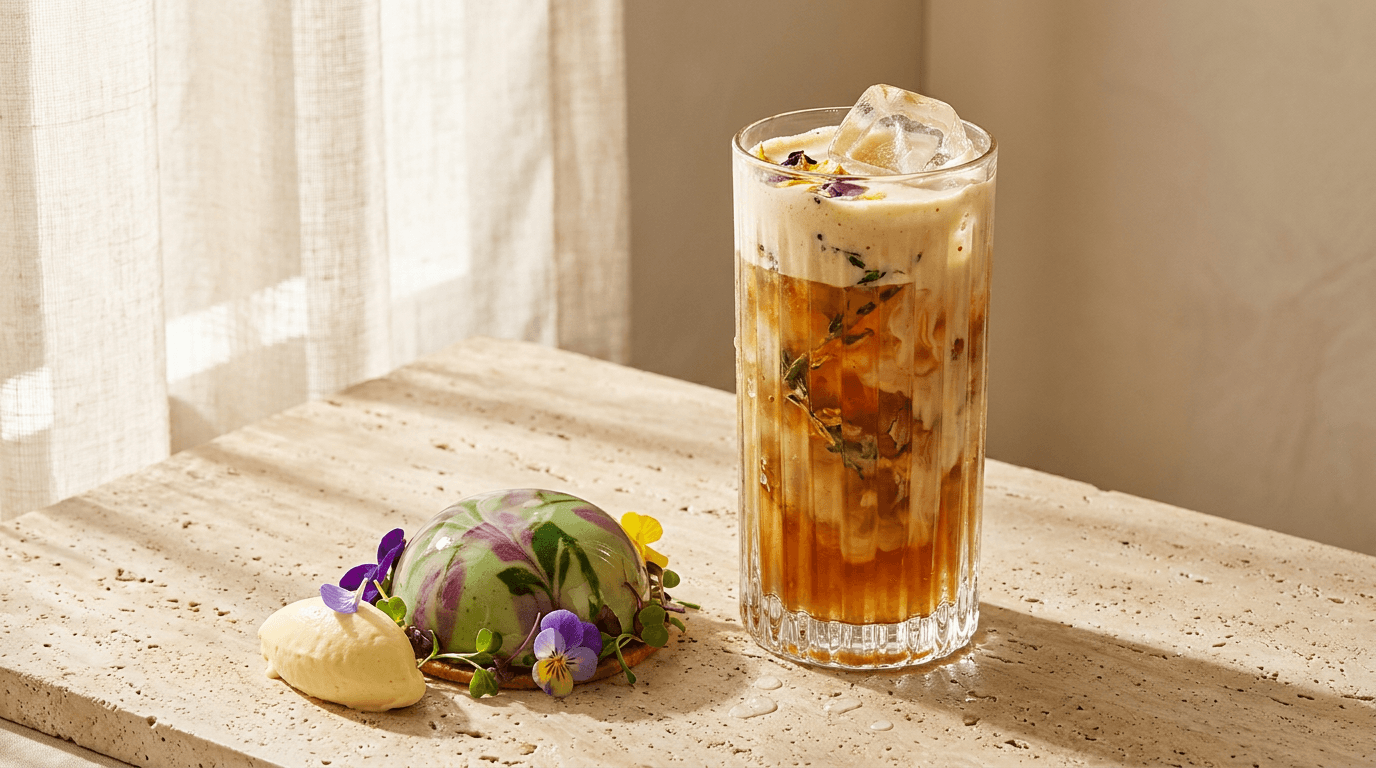
Beyond traditional hot tea service, Osmanthus Oolong is a versatile foundation for modern drink architecture. Beverage chains can develop Osmanthus Oolong Fresh Milk Tea with light dairy, Snow Pear Osmanthus Fruit Tea, or cold brew crowned with light cream foam. Thanks to its distinguished aroma, manageable food cost, and high seasonal resonance, Osmanthus Oolong represents a top-tier revenue driver for beverage brands heading into the late 2026 festive peak.
Related Posts
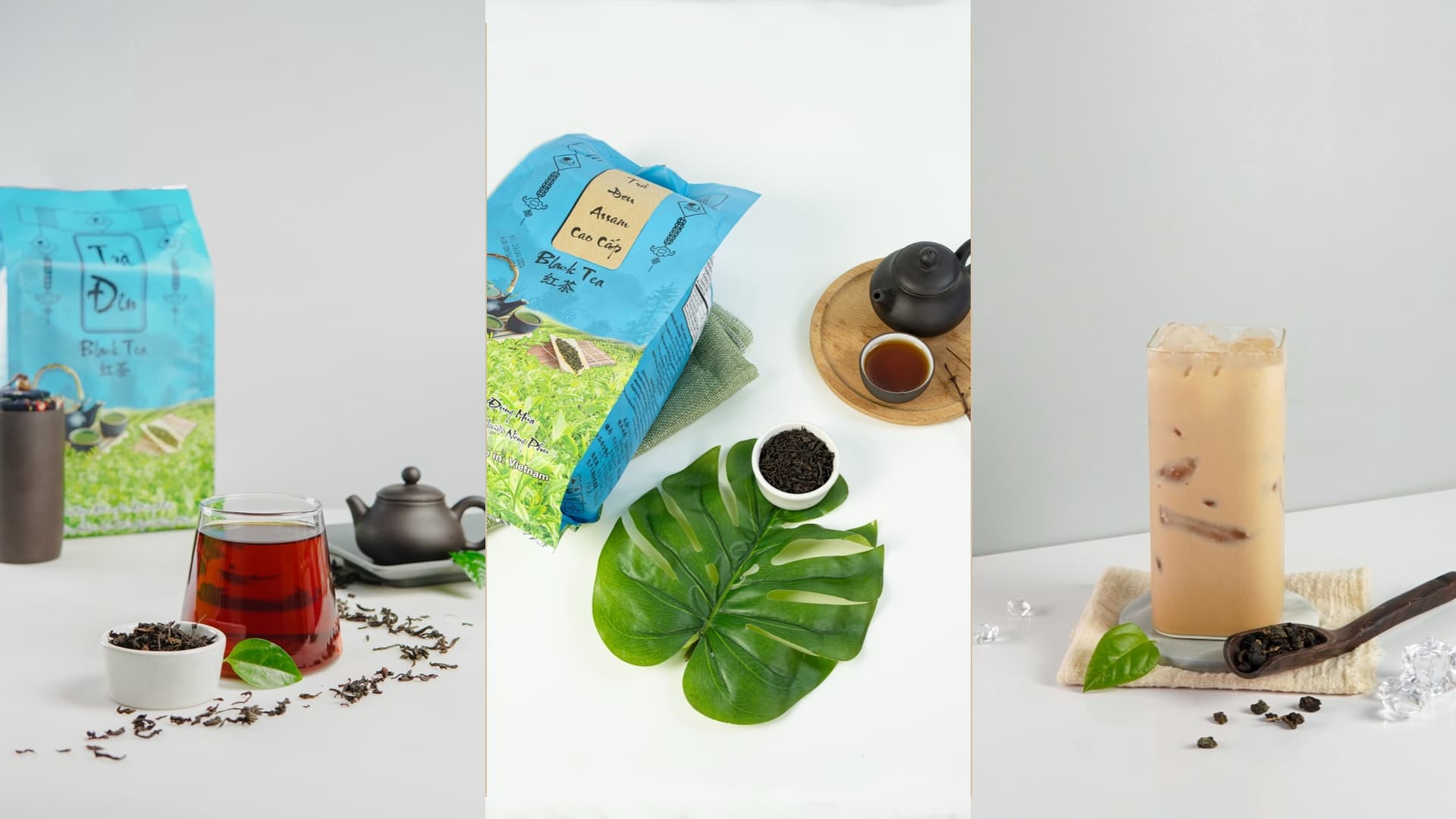
Scientific Techniques for Brewing Black Tea in Commercial Milk Tea: Maximizing Flavor Extraction and Nutritional Balance
A scientific guide to brewing black tea for commercial milk tea: extraction ratios from 1:25 to 1:30, temperatures from 90°C to 96°C, technical parameter tables, and polyphenol stabilization methods.
Read More →